HeadPowder, a leading enterprise in the field of material handling technology, specializes in the design, manufacturing, and supply of advanced pneumatic conveying systems for cement and other dry powders. With a strong presence in Shandong, China, the company has established itself as a reliable partner for industries requiring efficient and reliable dry powder transportation solutions.
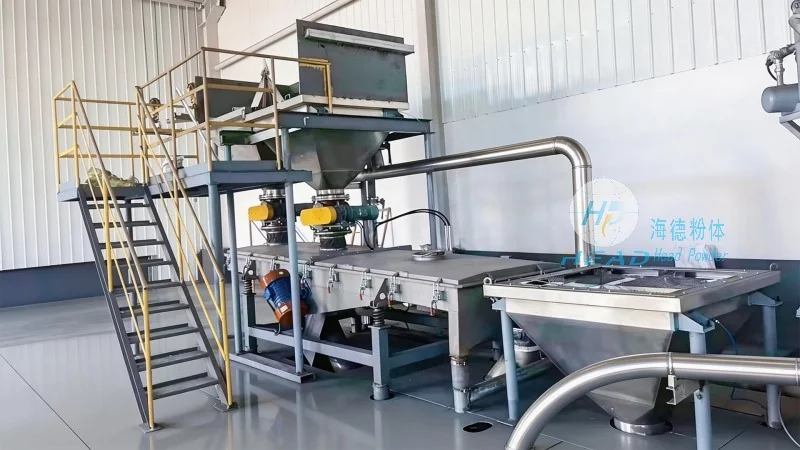
For businesses dealing with cement and similar dry materials, understanding the working principle and key characteristics of pneumatic conveying systems is crucial for optimizing operational efficiency and ensuring product integrity. This article provides a detailed overview of how cement dry powder pneumatic conveying systems operate and the distinct advantages they offer.
Working Principle of Cement Dry Powder Pneumatic Conveying
Cement dry powder pneumatic conveying systems utilize air as the primary medium to transport dry powders like cement from one location to another. The process typically involves a combination of positive and negative pressure or vacuum systems, depending on the specific application requirements. The core components of such a system include a hopper for material storage, a conveyor line (often equipped with flexible hoses or rigid pipes), a fan or blower to generate the necessary airflow, and a receiver or discharge point for the material.
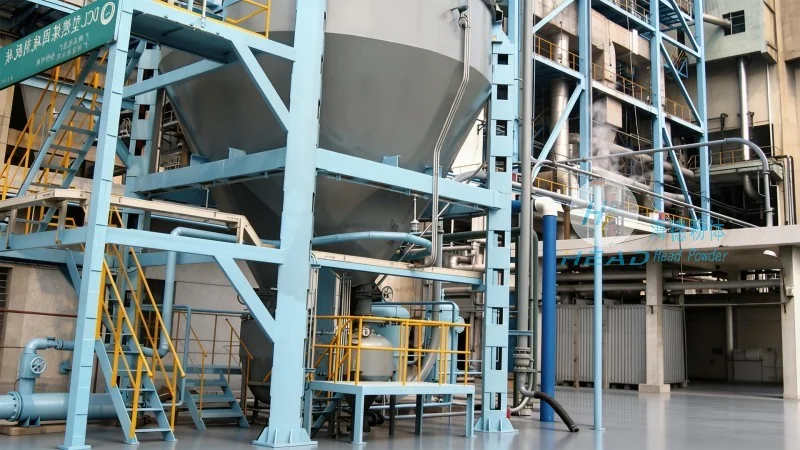
The operation begins with the cement being fed from the hopper into the conveyor line. As the fan or blower creates a vacuum or positive pressure, air is drawn through the system, carrying the cement particles along the pipeline. The air flow is carefully controlled to ensure that the cement particles are suspended and transported without clogging or degradation. The system may also include features such as cyclones or filters to separate the air from the cement at the discharge point, allowing for clean and efficient material handling.
Key Characteristics of Cement Dry Powder Pneumatic Conveying Systems
HeadPowder's cement dry powder pneumatic conveying systems are designed with several distinct characteristics that make them ideal for industrial applications. Firstly, they offer high efficiency in material transport, minimizing the need for manual handling and reducing the risk of product contamination. The systems are capable of handling large volumes of cement at a consistent flow rate, ensuring smooth and continuous operation.
Secondly, these systems are highly flexible in terms of layout and installation. They can be customized to fit various plant configurations, whether in new construction or retrofitting existing facilities. The use of flexible hoses allows for easy routing around obstacles, while rigid pipes provide durability and reliability for long-distance transport.
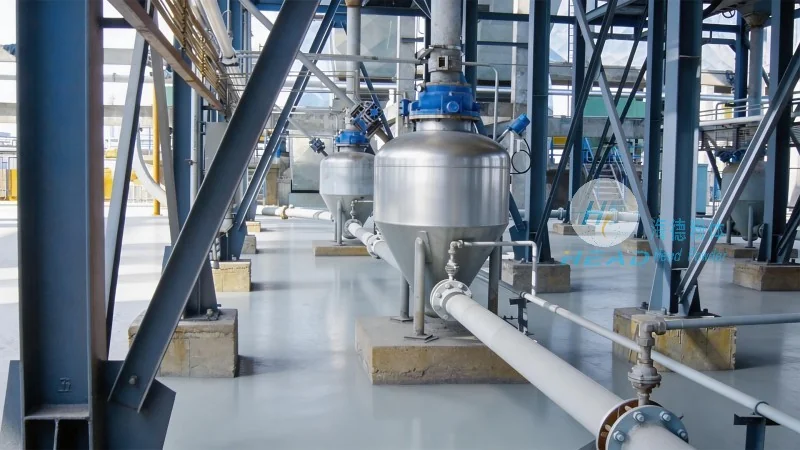
Thirdly, the technology ensures minimal product degradation and loss. Unlike traditional methods like bucket elevators or belt conveyors, pneumatic conveying reduces the risk of dust accumulation, material segregation, and mechanical damage to the cement particles. This is particularly important for maintaining the quality and performance of the cement in subsequent applications.
Additionally, the systems are energy-efficient and environmentally friendly. By using air as the conveying medium, they reduce the need for mechanical components that may cause wear and tear, and they minimize dust emissions compared to other methods. This aligns with modern industrial standards for sustainability and operational cost reduction.
Advantages and Practical Applications
The implementation of cement dry powder pneumatic conveying systems by HeadPowder brings several practical advantages to industrial operations. For example, in cement production plants, these systems facilitate the efficient transfer of raw materials and finished products, improving overall production throughput. In construction sites, they enable the quick and reliable delivery of cement to job sites, reducing downtime and enhancing project efficiency.
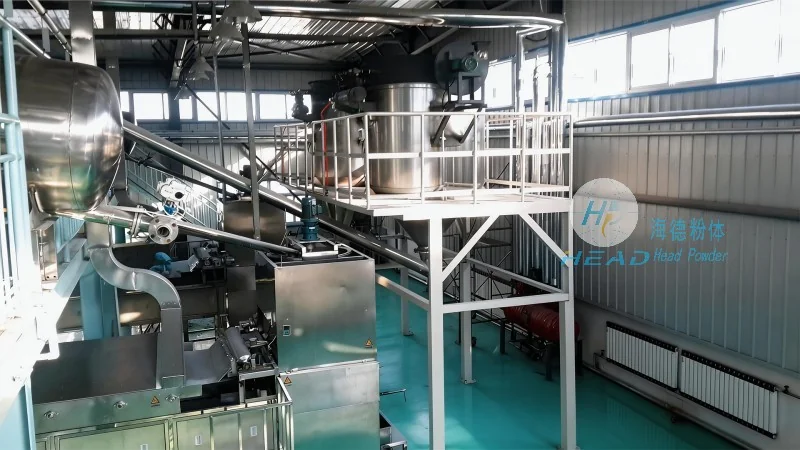
Furthermore, the systems are suitable for a wide range of applications beyond cement, including the handling of other dry powders such as fly ash, limestone, and chemical powders. This versatility makes them a valuable asset for various industries, from manufacturing to mining and agriculture.
HeadPowder's commitment to quality and innovation is reflected in the design and performance of their pneumatic conveying systems. By leveraging advanced engineering and materials, the company ensures that their products meet the highest standards of reliability and durability, providing long-term value to their clients.




