The PVC resin pneumatic conveying equipment is a critical component in the material handling and processing industry, particularly for the efficient transport of PVC resin, a widely used thermoplastic polymer. This equipment plays a vital role in ensuring smooth and reliable material transfer in various industrial applications, from manufacturing to processing facilities. Understanding its operation process and working principle is essential for optimizing performance and maintaining operational efficiency.
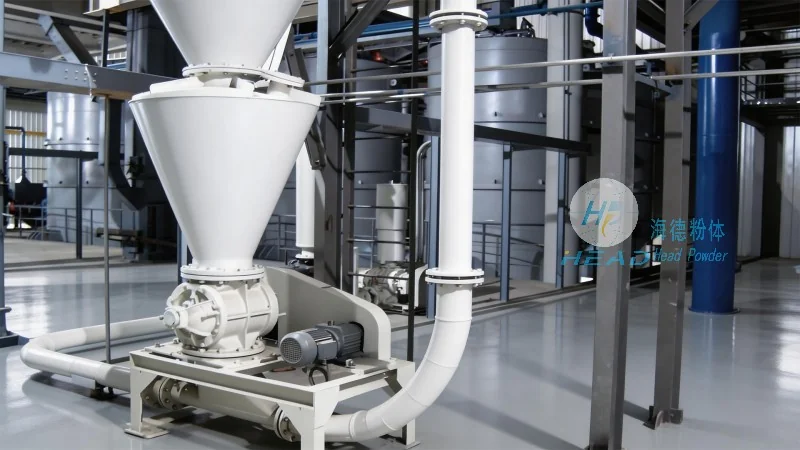
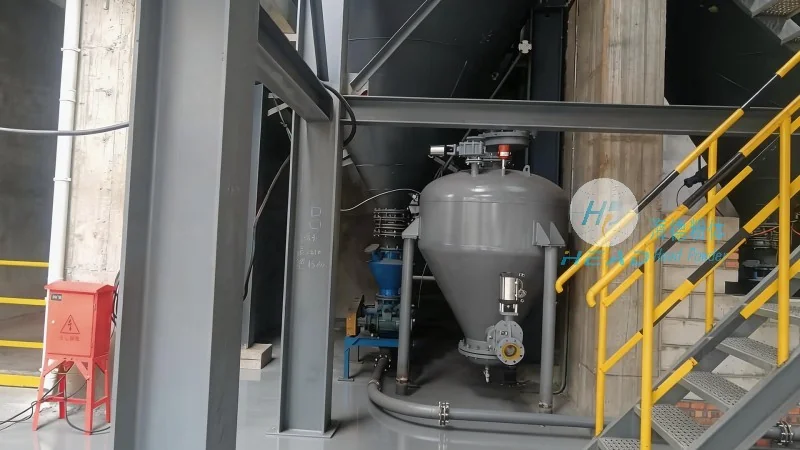
About HeadPowder: Your Trusted Partner in Material Handling Solutions
HeadPowder, an esteemed company based in Shandong, China, specializes in the design, manufacturing, and supply of advanced material handling equipment. With a strong commitment to quality and innovation, HeadPowder has established itself as a leading provider of pneumatic conveying systems tailored to meet the diverse needs of industries dealing with PVC resin and other bulk materials. The company’s headquarters and primary operations are located in Shandong, China, where it leverages local expertise and resources to deliver high-performance solutions that enhance productivity and operational safety.
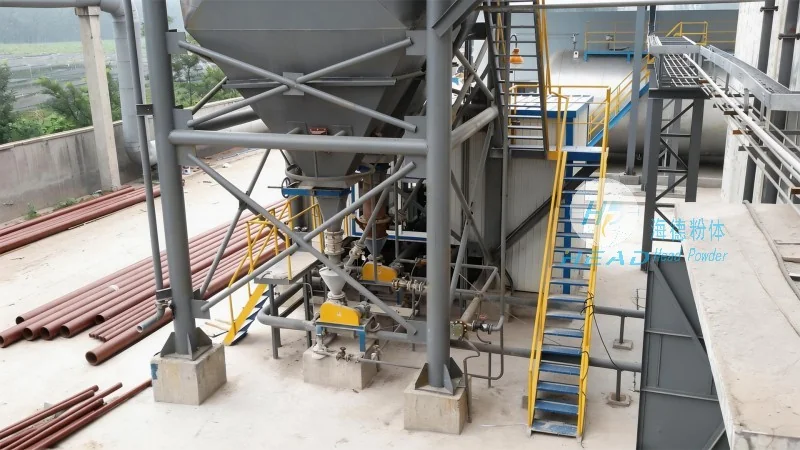
Operation Process of PVC Resin Pneumatic Conveying Equipment
The operation process of PVC resin pneumatic conveying equipment involves several key steps that ensure the efficient and safe transport of PVC resin from the source to the destination. The process typically begins with the loading of PVC resin into the hopper or feeding system of the equipment. The resin is then drawn into the conveying line by a vacuum or pressure system, depending on the specific design of the equipment. As the resin moves through the pipeline, it is propelled by the flow of air or gas, which creates a suspension of the resin particles in the air stream. The conveying line may include components such as bends, filters, and control valves to regulate the flow and ensure consistent delivery. The equipment is equipped with sensors and monitoring systems to track the flow rate, pressure, and other critical parameters, allowing for real-time adjustments to maintain optimal performance. The entire process is designed to minimize material degradation, prevent blockages, and ensure that the PVC resin reaches its destination in a clean and intact state, ready for further processing or use.
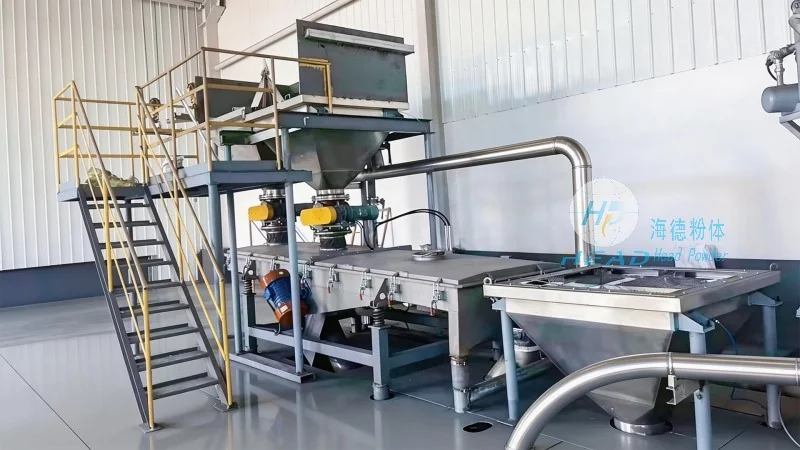
Working Principle of PVC Resin Pneumatic Conveying Equipment
The working principle of PVC resin pneumatic conveying equipment is based on the fundamental concept of transporting bulk materials using air or gas as the conveying medium. This method, known as pneumatic conveying, utilizes the kinetic energy of the air stream to move the PVC resin particles through the pipeline. The equipment operates by creating a pressure differential between the inlet and outlet of the conveying line. In a vacuum system, the inlet is under a lower pressure than the ambient air, which draws the PVC resin into the system. In a pressure system, the inlet is under higher pressure, pushing the resin through the pipeline. The key components of the equipment include a hopper for material storage, a feeder to control the flow rate, a conveying line with appropriate diameter and length, and a receiver or discharge system at the destination. The air or gas is introduced into the conveying line through a blower or compressor, which provides the necessary force to move the resin particles. The design of the conveying line, including the use of bends and elbows with smooth surfaces, minimizes friction and resistance, ensuring efficient transport. The working principle also considers the physical properties of PVC resin, such as its density, particle size, and flow characteristics, to optimize the conveying parameters and prevent issues like clogging or material degradation. By understanding and applying these principles, the equipment can effectively handle PVC resin, providing a reliable and efficient solution for material transport in industrial settings.




