

Operation Process and Working Principle of Pneumatic Conveying Equipment for Glass Raw Materials
For glass manufacturers, the efficient and reliable transportation of raw materials is a critical factor in ensuring production continuity and product quality. Pneumatic conveying equipment has emerged as a highly effective solution for handling glass raw materials, offering advantages such as dust-free operation, flexible layout, and the ability to transport materials over long distances. This article will delve into the operation process and working principle of pneumatic conveying equipment specifically designed for glass raw materials, while highlighting the expertise of Shandong HeadPowder Engineering Co., Ltd. in providing advanced solutions for the glass industry.
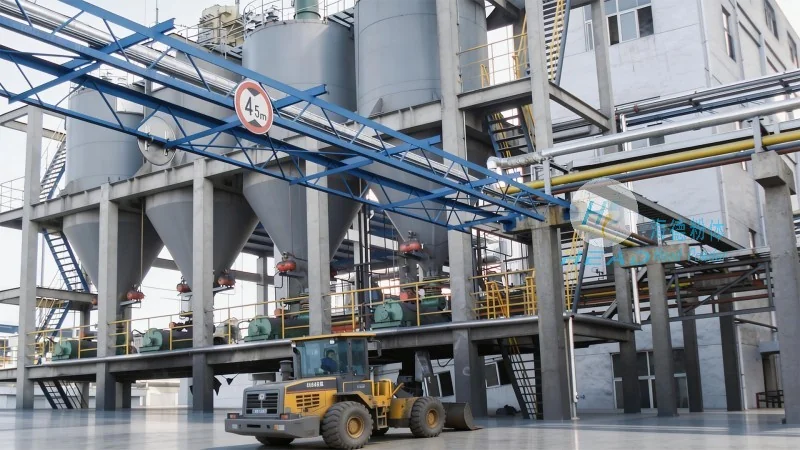
Overview of Pneumatic Conveying Equipment for Glass Raw Materials
Pneumatic conveying equipment, also known as pneumatic transport systems, utilizes air or gas to transport bulk materials like glass powders, frits, and other raw materials. The system typically consists of a feeding unit, a conveying line, a separation unit, and a discharge unit. HeadPowder, a leading manufacturer based in Shandong, China, specializes in designing and manufacturing customized pneumatic conveying solutions tailored to the unique requirements of glass production lines.
The Operation Process of Pneumatic Conveying Equipment
The operation process of a typical pneumatic conveying system for glass raw materials involves several key steps. First, the raw materials are fed into the system through a hopper or feeder. The feeder then controls the flow rate of the material into the conveying line. Next, the material is mixed with compressed air or gas, which creates a slurry-like mixture that is then propelled through the pipeline. The conveying line may include bends, expansions, or other components to direct the material to the desired location. Finally, the material is separated from the air in a separator and discharged into a storage bin or directly into the glass melting furnace.
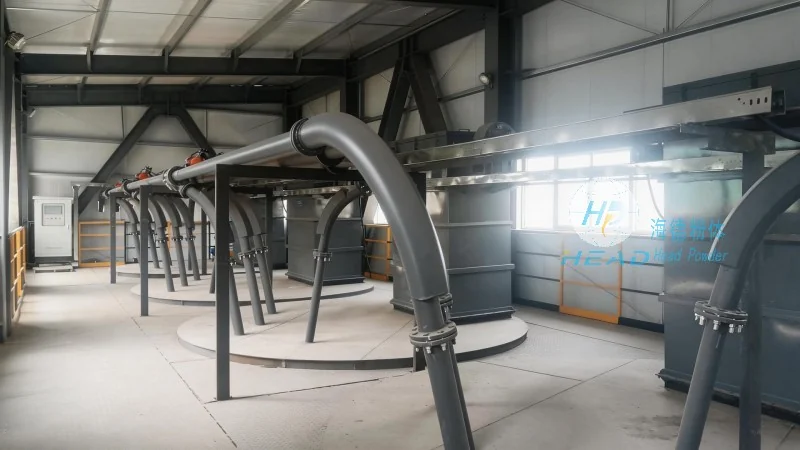
Working Principle of Pneumatic Conveying Equipment
The working principle of pneumatic conveying equipment is based on the interaction between the material particles and the air flow. There are two main types of pneumatic conveying systems: positive pressure (pressure) systems and negative pressure (vacuum) systems. In a positive pressure system, compressed air is introduced at the inlet of the conveying line, creating a pressure higher than the ambient air pressure. This pressure pushes the material and air mixture through the pipeline. In a negative pressure system, a vacuum is created at the discharge end of the line, pulling the material and air mixture into the pipeline. For glass raw materials, positive pressure systems are often preferred due to their ability to handle abrasive materials and prevent dust leakage. The air velocity in the pipeline is carefully controlled to ensure that the material particles are fully entrained and transported without causing blockages or excessive wear on the equipment.
Key Components and Their Functions
Several key components are essential for the smooth operation of pneumatic conveying equipment for glass raw materials. The feeding unit, such as a rotary valve or screw feeder, ensures a consistent and controlled flow of raw materials into the system. The conveying line, typically made of stainless steel or other corrosion-resistant materials, is designed to withstand the abrasive nature of glass particles. The separation unit, often a cyclone or bag filter, separates the material from the air, allowing the air to be recycled or discharged while the material is collected. The discharge unit, such as a rotary valve or gate valve, controls the release of the material from the system. HeadPowder's expertise lies in optimizing these components to ensure efficient and reliable operation, minimizing downtime and maintenance costs for glass manufacturers.
Advantages of Pneumatic Conveying Equipment for Glass Raw Materials
Pneumatic conveying equipment offers several advantages over traditional methods like belt conveyors or bucket elevators for transporting glass raw materials. First, it provides a dust-free operation, which is crucial for maintaining a clean and safe working environment in glass production facilities. Second, the system is flexible and can be easily integrated into existing production lines or reconfigured to accommodate changes in production requirements. Third, it can transport materials over long distances with minimal energy consumption compared to other methods. Fourth, the equipment is relatively compact, saving valuable floor space in production facilities. These advantages make pneumatic conveying equipment an ideal choice for glass manufacturers looking to improve their material handling processes and enhance overall production efficiency.
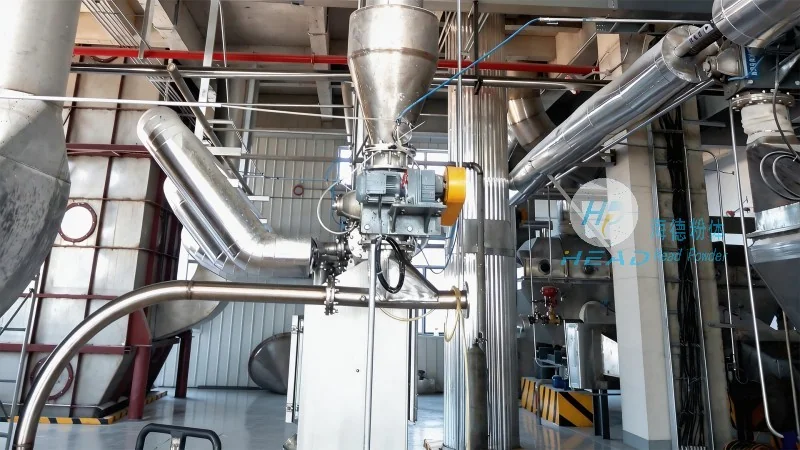
Application Examples and Case Studies
HeadPowder has successfully implemented pneumatic conveying systems for glass raw materials in various glass manufacturing plants across China. For example, a major glass manufacturer in Shandong province used a positive pressure pneumatic conveying system to transport frits from storage silos to the glass melting furnace. The system was designed to handle 10 tons of material per hour, with a conveying distance of 50 meters. The system has been in operation for over two years, with minimal maintenance and high material transfer efficiency. Another customer, a glass bottle manufacturer, implemented a negative pressure system to transport glass powders from a raw material storage area to a mixing station. The system was designed to handle 5 tons of material per hour, with a conveying distance of 30 meters. The system has significantly reduced dust emissions and improved the overall safety of the production process. These case studies demonstrate the effectiveness and reliability of pneumatic conveying equipment for glass raw materials, as well as the expertise of HeadPowder in providing customized solutions for the glass industry.
Conclusion and Future Trends
Pneumatic conveying equipment plays a vital role in the efficient and reliable transportation of glass raw materials, and its importance is expected to grow as glass manufacturers continue to seek ways to improve their production processes. HeadPowder, with its headquarters in Shandong, China, remains committed to providing advanced pneumatic conveying solutions tailored to the unique needs of the glass industry. By leveraging its expertise in material handling and process engineering, HeadPowder continues to develop innovative solutions that enhance the performance and efficiency of glass manufacturing facilities. As the glass industry evolves, pneumatic conveying equipment will likely continue to be a key component in the material handling systems of glass manufacturers, and HeadPowder is well-positioned to meet the growing demand for advanced material handling solutions.