Shandong HeadPowder Engineering Co., Ltd., a professional manufacturer specializing in pneumatic conveying systems, provides advanced solutions for the efficient handling of lithium battery mineral powders. This article delves into the operational process and working principles of their equipment, highlighting key components and the systematic approach to material transport.
Introduction to Lithium Battery Mineral Powder Pneumatic Conveying
Lithium battery mineral powders, such as lithium carbonate, lithium hydroxide, and other raw materials, require precise and reliable handling to ensure quality and safety in production. Pneumatic conveying systems offer a dust-free, efficient, and flexible method for transporting these powders compared to traditional methods like belt conveyors or bucket elevators. The equipment developed by Shandong HeadPowder Engineering Co., Ltd. is engineered to meet the specific demands of the lithium battery industry, combining durability, high efficiency, and low maintenance costs.
Key Components of the Pneumatic Conveying System
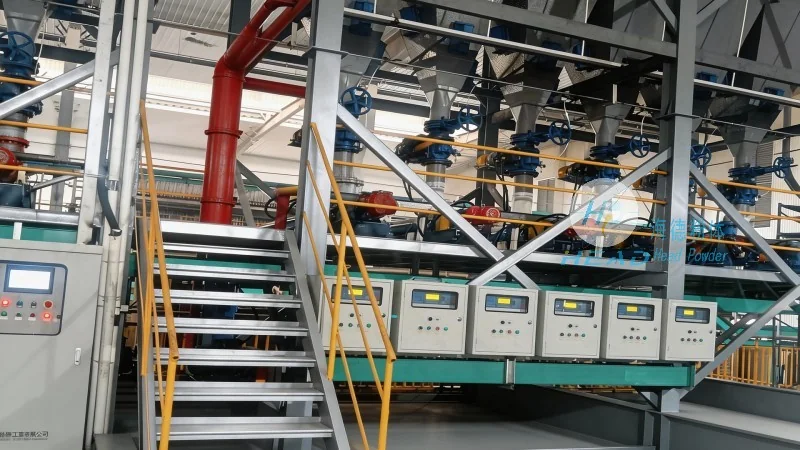
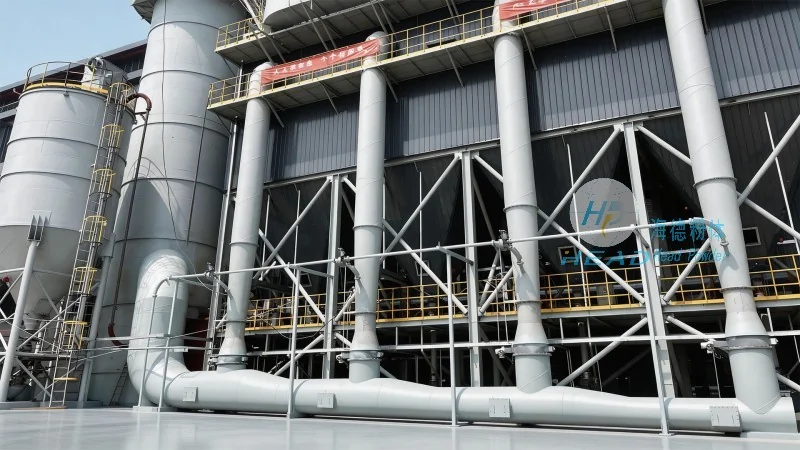
The pneumatic conveying system for lithium battery mineral powders consists of several critical components that work in tandem to achieve seamless material transport. These components include the hopper for material storage, the air compressor or blower for generating airflow, the pipeline system for transporting the material-air mixture, the control valves for regulating flow, and the dust collection system for maintaining air quality and preventing contamination. Each component is designed to handle the unique properties of lithium battery mineral powders, such as their fine particle size and potential reactivity, ensuring optimal performance and safety.
Working Principle of the Pneumatic Conveying Process
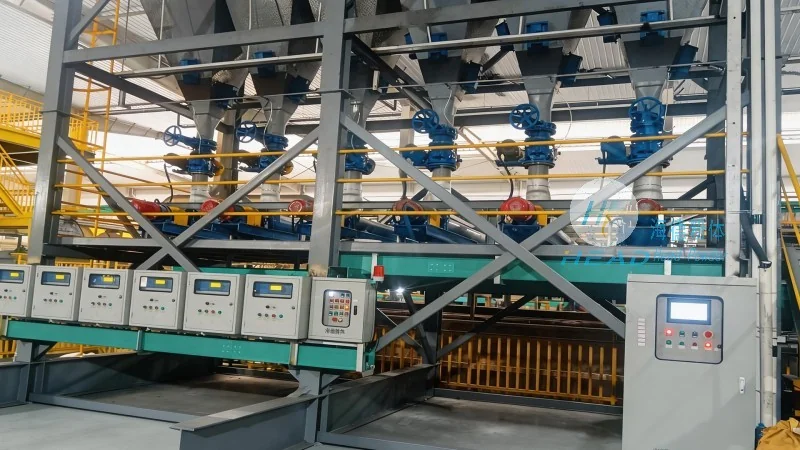
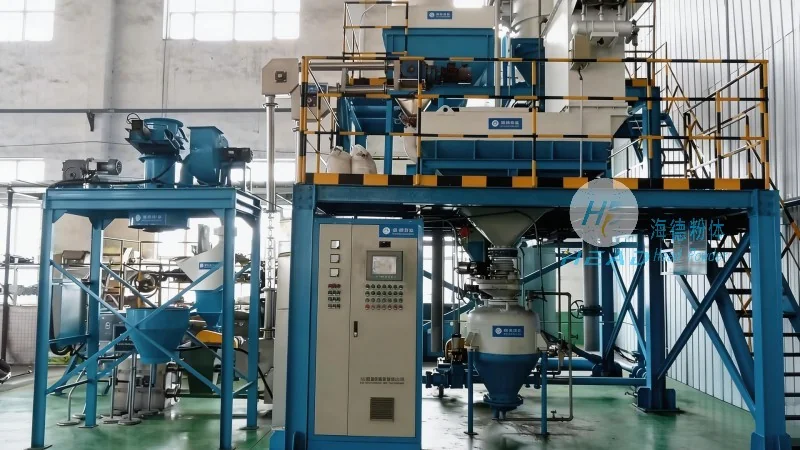
The operation of the pneumatic conveying system begins with the loading of the lithium battery mineral powder into the hopper. The hopper is equipped with a feeder that controls the flow rate of the material into the pipeline. Simultaneously, the air compressor or blower generates a high-pressure airflow, which is introduced into the pipeline at the inlet of the hopper. As the material is released from the feeder, it is entrained by the airflow and carried through the pipeline to the discharge point. The airflow continues to transport the material until it reaches the end of the pipeline, where it is separated from the air through a cyclone or other separation device. The separated material is then collected in a receiving hopper, while the clean air is discharged through a filter to the atmosphere.
Operation Process: Step-by-Step Guide
The operational process of the lithium battery mineral powder pneumatic conveying equipment involves several key steps that ensure consistent and reliable performance. The first step is the preparation phase, where the hopper is filled with the required amount of material and the system is checked for any blockages or leaks. The second step is the start-up phase, where the air compressor is activated, and the airflow is adjusted to the appropriate pressure and flow rate. The third step is the material feeding phase, where the feeder controls the material flow rate to match the airflow, ensuring a stable mixture of material and air. The fourth step is the transport phase, where the material is conveyed through the pipeline to the discharge point. The fifth step is the separation and collection phase, where the material is separated from the air and collected in the receiving hopper. The final step is the system shutdown phase, where the air compressor is turned off, and the system is cleaned and maintained as needed.
Advantages of Using Pneumatic Conveying for Lithium Battery Mineral Powders
Compared to traditional conveying methods, pneumatic conveying offers several advantages for handling lithium battery mineral powders. First, it provides a dust-free environment, which is crucial for maintaining product quality and preventing contamination. Second, it offers high efficiency in material transport, with the ability to handle large volumes of material over long distances. Third, it is flexible and can be easily adapted to different production layouts and requirements. Fourth, it reduces labor costs and improves safety by eliminating manual handling of powders. Fifth, it minimizes material degradation and loss, as the material is transported in a closed system with minimal exposure to air and moisture.
Maintenance and Troubleshooting for the Pneumatic Conveying System
To ensure the long-term performance and reliability of the pneumatic conveying system, regular maintenance and proper troubleshooting are essential. Regular maintenance tasks include checking the air compressor or blower for proper operation, inspecting the pipeline for any blockages or leaks, cleaning the cyclone or other separation devices, and replacing worn parts as needed. Troubleshooting common issues such as material blockages, airflow reduction, or dust accumulation involves checking the feeder settings, inspecting the pipeline for obstructions, and adjusting the airflow parameters. By following proper maintenance procedures and addressing issues promptly, the system can maintain its efficiency and longevity, ensuring consistent performance in handling lithium battery mineral powders.




