For industries dealing with bulk powder handling, the unmanned feed powder pneumatic conveying line offers a sophisticated solution that streamlines material transport while minimizing human intervention. This system, developed by Shandong HeadPowder Engineering Co., Ltd., a leading manufacturer based in China, represents a significant advancement in automated material handling technology. The following sections will delve into the working principle and key features of this advanced pneumatic conveying system.
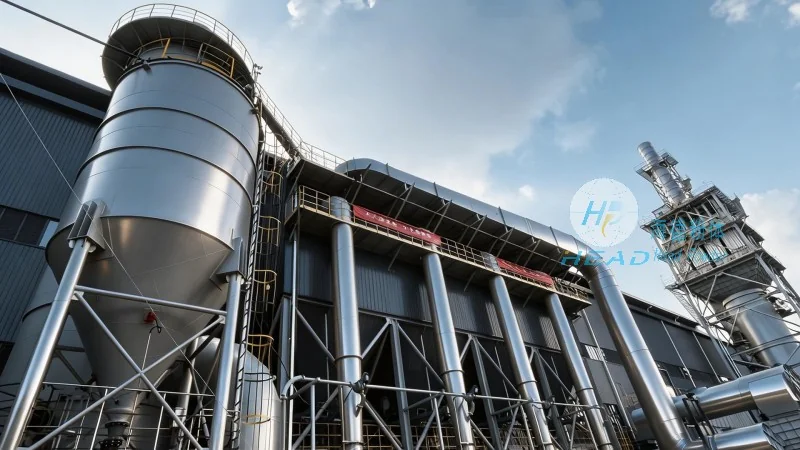
Working Principle of the Unmanned Feed Powder Pneumatic Conveying Line
The core of the unmanned feed powder pneumatic conveying line lies in its ability to transport bulk powders through a pressurized or vacuum system without manual feeding. The process begins with the powder being introduced into the system, typically from a hopper or storage silo. A blower or compressor generates the necessary air pressure, which then propels the powder particles through the pipeline. The system uses a combination of positive pressure (for conveying from a central point to multiple destinations) or negative pressure (for suction from multiple sources to a central point), depending on the application requirements. The key components include the feed hopper, air compressor, conveying pipes, and receiving hoppers. The entire operation is automated, with sensors and control systems monitoring the flow rate, pressure, and other parameters to ensure efficient and reliable material transport. This automation eliminates the need for constant human supervision, reducing labor costs and improving operational safety.
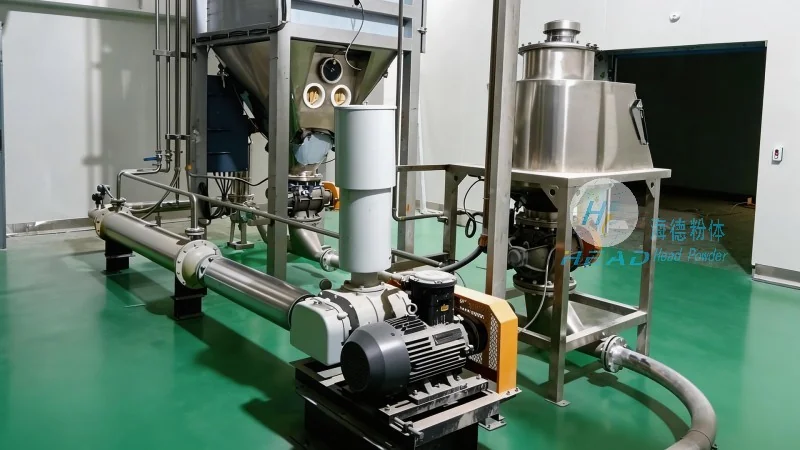
Key Features of the Unmanned Feed Powder Pneumatic Conveying Line
Shandong HeadPowder Engineering Co., Ltd. has integrated several advanced features into their unmanned feed powder pneumatic conveying line to enhance performance and user experience. One of the primary features is the fully automated feeding mechanism, which can be programmed to handle different powder types and quantities without manual adjustment. The system also includes a dust collection and filtration system to maintain air quality and comply with environmental regulations. Another notable feature is the modular design, allowing for easy expansion or reconfiguration of the conveying network as production needs change. The control system is user-friendly, with a graphical interface that provides real-time data on system performance and alerts for any potential issues. Additionally, the system is designed for low maintenance, with durable components that resist corrosion and wear from abrasive powders. These features collectively contribute to higher efficiency, lower operational costs, and increased reliability in powder handling operations.
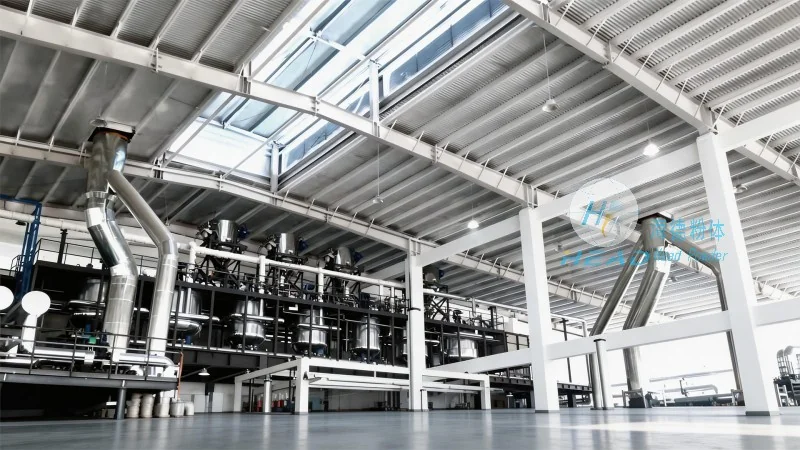
Advantages of Implementing an Unmanned Feed Powder Pneumatic Conveying Line
Adopting an unmanned feed powder pneumatic conveying line brings numerous advantages to industrial operations. Firstly, it significantly reduces labor costs by eliminating the need for manual feeding and monitoring. The automation also minimizes human error, ensuring consistent and accurate material transport. Secondly, the system enhances operational safety by removing personnel from the material handling process, reducing the risk of accidents and exposure to dust. Thirdly, the efficient design of the conveying line reduces energy consumption compared to traditional methods like bucket elevators or belt conveyors. The modular and scalable nature of the system allows for flexibility in adapting to changing production volumes or product lines. Furthermore, the consistent flow of powders improves the quality of downstream processes, such as mixing, blending, or packaging, by ensuring uniform material distribution. These advantages make the unmanned feed powder pneumatic conveying line an attractive investment for industries seeking to optimize their material handling operations.
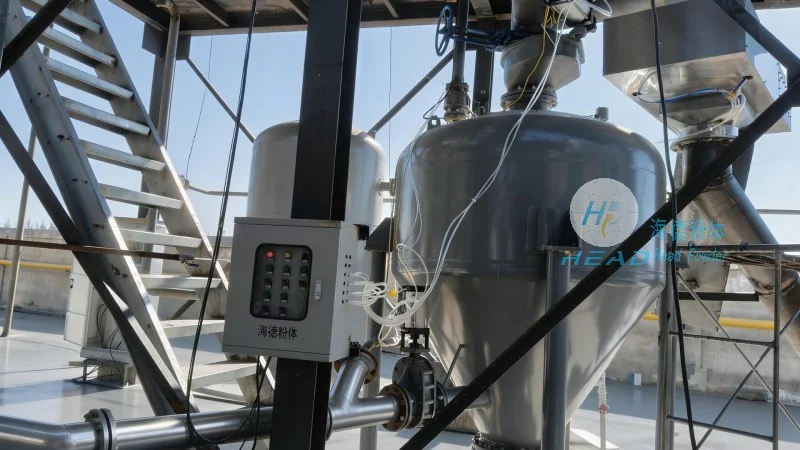
Application Scenarios and Industries
The unmanned feed powder pneumatic conveying line is suitable for a wide range of industries that handle bulk powders. Common applications include pharmaceutical manufacturing, where precise and sterile powder transport is critical; food processing, where hygiene and contamination control are paramount; chemical production, requiring reliable handling of various chemical powders; and mining and mineral processing, dealing with large volumes of raw materials. In each of these industries, the system's ability to handle different powder characteristics—such as particle size, moisture content, and flowability—makes it a versatile solution. The automated nature of the system also suits high-volume production environments, where continuous operation and minimal downtime are essential. By integrating this technology, companies can improve their overall operational efficiency and competitiveness in their respective markets.




