

Working Principle and Features of Rice Starch Pneumatic Conveying Equipment
For industries dealing with rice starch, efficient and reliable material handling is crucial. The pneumatic conveying equipment designed for rice starch offers a solution that combines advanced technology with practical application. This article explores the working principle and key features of such equipment, providing insights into how it operates and its benefits for rice starch processing.
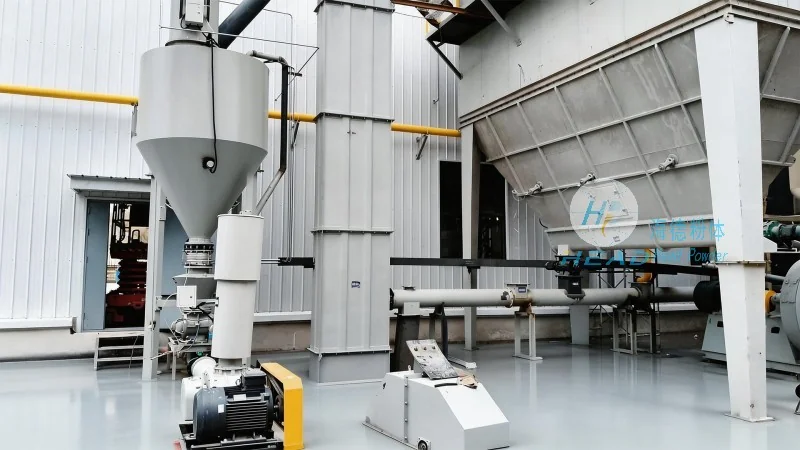
Introduction to Rice Starch Pneumatic Conveying Equipment
Rice starch, a vital component in various food and industrial applications, requires specialized handling to maintain its quality and prevent degradation. Pneumatic conveying systems are widely adopted in the rice starch industry due to their ability to transport powders like rice starch in a dust-free, hygienic manner. The equipment from Shandong HeadPowder Engineering Co., Ltd. is engineered to meet these specific needs, ensuring optimal performance and durability.
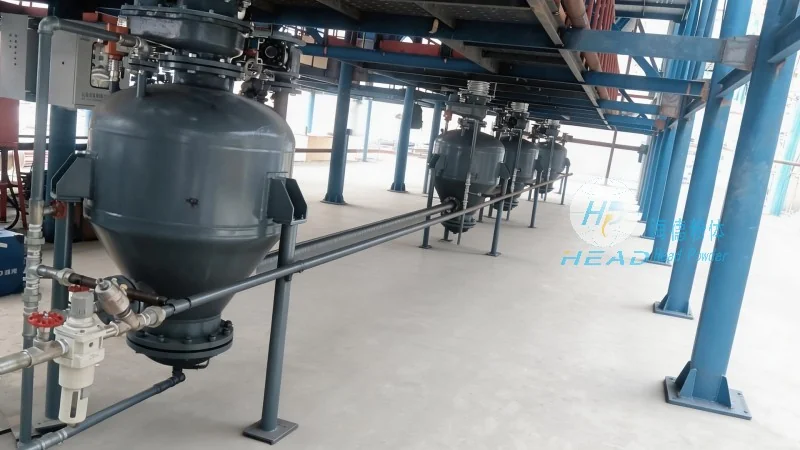
Working Principle of the Pneumatic Conveying System
The core of the rice starch pneumatic conveying equipment is the air flow mechanism that propels the rice starch particles through a pipeline. The system operates by creating a pressure differential between the inlet and outlet of the conveying line. Typically, it uses a combination of positive and negative pressure or vacuum to move the material. The process begins with the rice starch being fed into the hopper, where it is then drawn into the conveying line by the air flow. The air, often filtered and conditioned to maintain purity, carries the starch particles through the pipeline to the discharge point. This method eliminates the need for mechanical components like belts or screws, reducing friction and wear while ensuring a clean and efficient transfer.
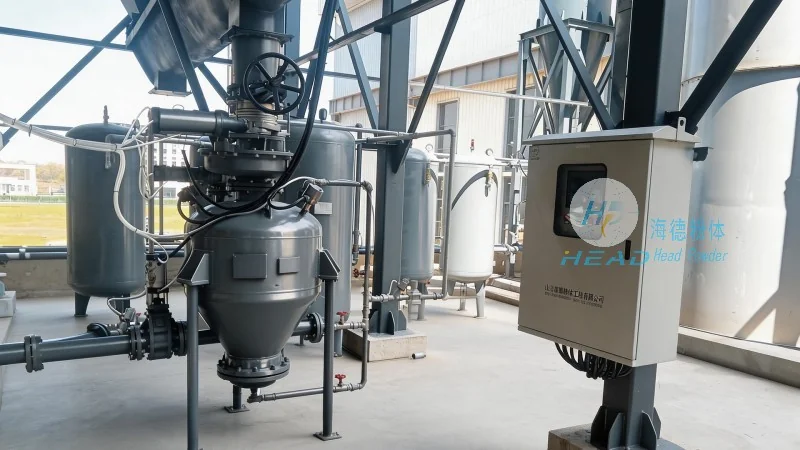
Key Features of the Equipment
The pneumatic conveying equipment for rice starch from Shandong HeadPowder Engineering Co., Ltd. is characterized by several notable features that enhance its functionality and suitability for industrial use. Firstly, it offers a dust-free operation, which is essential for maintaining product purity and compliance with hygiene standards. The system is designed with materials that are resistant to corrosion and wear, ensuring long-term reliability. Additionally, the equipment is equipped with adjustable air flow controls, allowing operators to optimize the conveying rate based on the specific characteristics of the rice starch, such as particle size and moisture content. This adaptability ensures efficient and consistent performance under varying operational conditions. Another key feature is the integration of safety mechanisms, including pressure relief valves and air filtration systems, which protect the equipment and the environment from potential hazards. The compact design of the system also facilitates easy installation and integration into existing production lines, minimizing downtime and operational complexity.
Benefits and Applications
The implementation of rice starch pneumatic conveying equipment brings numerous benefits to rice starch processing facilities. By eliminating the need for manual handling and traditional bulk handling methods, it significantly reduces labor costs and the risk of product contamination. The hygienic design of the equipment ensures that the rice starch remains in a clean state, which is critical for applications in the food industry where product quality and safety are paramount. Furthermore, the system's ability to handle large volumes of material efficiently improves overall production throughput, enhancing the operational efficiency of the facility. The equipment is particularly suitable for applications such as transporting rice starch from storage silos to processing units, or from processing lines to packaging areas, ensuring a seamless flow of material throughout the production process.
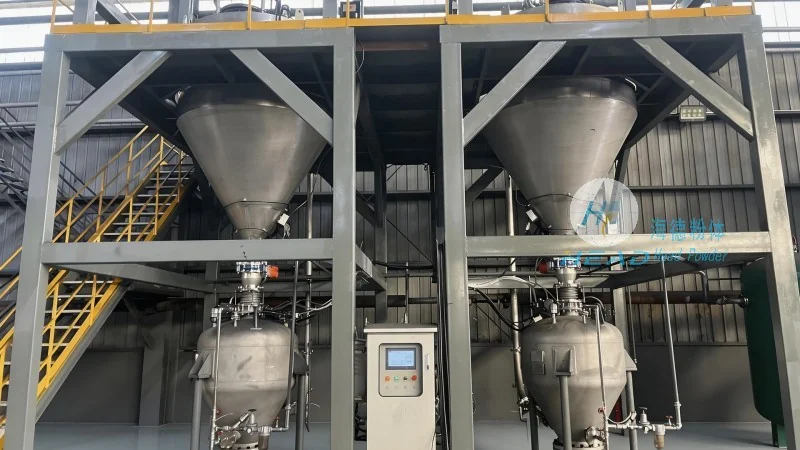
Conclusion
In conclusion, the pneumatic conveying equipment for rice starch from Shandong HeadPowder Engineering Co., Ltd. represents a sophisticated solution for efficient material handling in the rice starch industry. Its working principle, based on air flow and pressure differential, ensures a clean, hygienic, and reliable transfer of rice starch. The key features, including dust-free operation, adjustable controls, and safety mechanisms, make it a versatile and durable choice for various industrial applications. By investing in such equipment, rice starch processing facilities can enhance their operational efficiency, maintain product quality, and comply with industry standards, ultimately contributing to improved productivity and profitability.