Working Principle and Features of Biological Enzyme Material Handling Equipment
Release time:2026-09-17 20:01:24
name of the company:Shandong Headpowder Engineering Co., Ltd.
telephone:156-6277-7102
contacts:Zhang manager
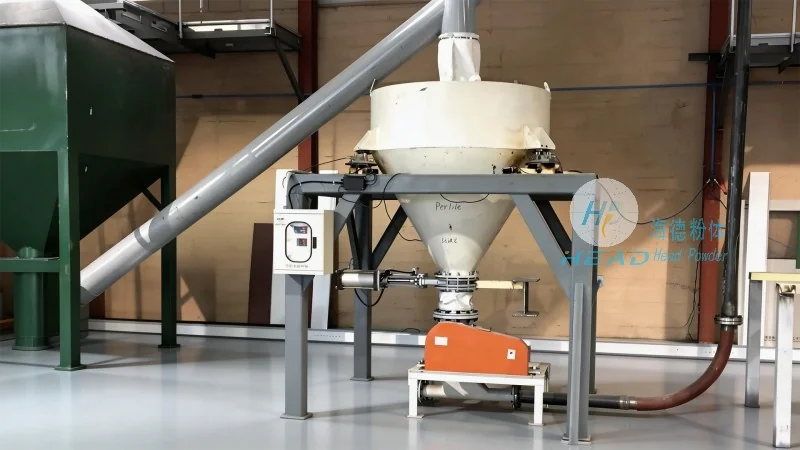
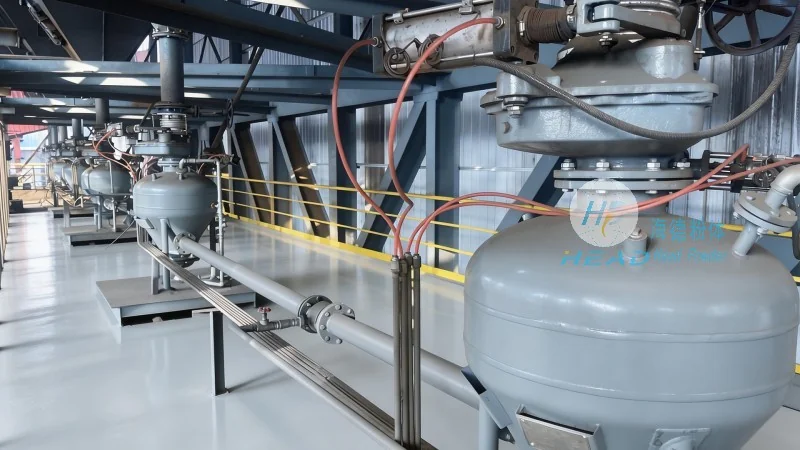
Biological enzyme material handling equipment plays a crucial role in modern industrial processes, particularly in sectors that require precise and efficient transportation of materials that are sensitive to enzymatic activity. This equipment is designed to handle materials that are processed with biological enzymes, ensuring that the enzymatic properties are preserved throughout the material handling process. The equipment is essential for maintaining the integrity and effectiveness of the enzymes, which are often used in applications such as biotechnology, pharmaceuticals, and food processing.
About HeadPowder Engineering
HeadPowder, formally known as Shandong HeadPowder Engineering Co., Ltd., is a leading manufacturer specializing in the design and production of advanced material handling solutions. With a strong presence in China, particularly in Shandong, the company has established itself as a trusted provider of high-quality equipment tailored to the needs of various industries. HeadPowder's commitment to innovation and precision engineering ensures that their products meet the stringent requirements of modern industrial applications.
Working Principle of Biological Enzyme Material Handling Equipment
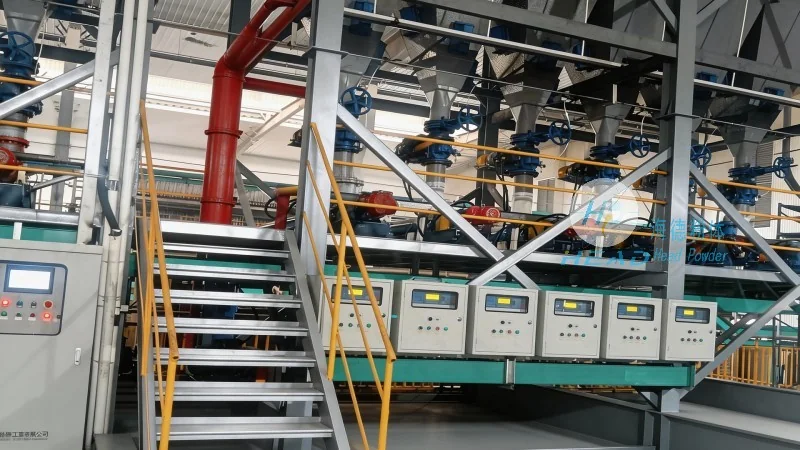
The core working principle of biological enzyme material handling equipment revolves around maintaining optimal conditions for enzyme activity while transporting materials. The equipment typically incorporates several key components and mechanisms to achieve this. First, the system is designed with materials that are compatible with biological enzymes, such as food-grade plastics or specialized coatings that prevent enzyme degradation. Second, the equipment operates under controlled temperature and humidity conditions to preserve the enzymatic activity. Third, the material handling process is optimized to minimize mechanical stress and shear forces that could denature the enzymes. For instance, the equipment may use gentle conveying methods like screw conveyors or pneumatic systems with low-pressure air to move materials without damaging the enzymes. Additionally, the system often includes features like temperature control zones and gentle mixing mechanisms to ensure that the enzymes remain active throughout the handling process. The working principle also emphasizes the importance of maintaining a sterile or controlled environment to prevent contamination, which could affect the enzymatic performance. By integrating these elements, the equipment effectively transports materials while preserving the biological activity of the enzymes.
Key Features of Biological Enzyme Material Handling Equipment
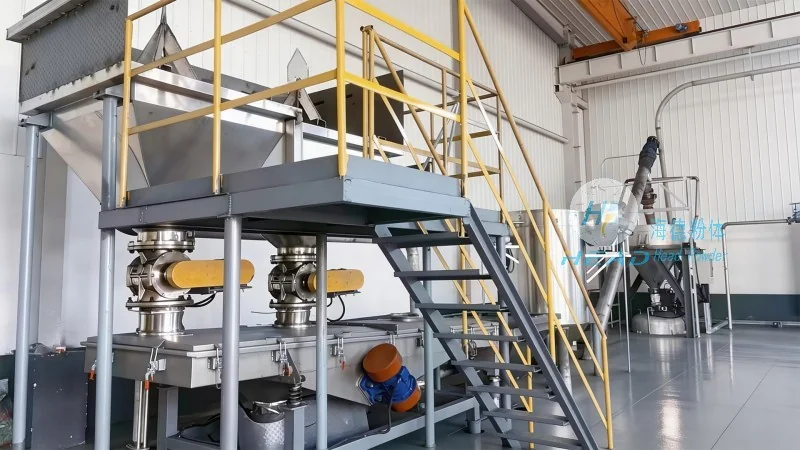
Biological enzyme material handling equipment is characterized by several distinct features that set it apart from conventional material handling systems. One of the primary features is its ability to maintain the integrity of biological enzymes during transportation. This is achieved through specialized design elements, such as temperature-controlled chambers and gentle conveying mechanisms, which prevent enzyme denaturation and degradation. Another key feature is the equipment's compatibility with sensitive materials, including those that are prone to oxidation or microbial contamination. The system often incorporates anti-corrosive and antimicrobial coatings or materials to ensure that the enzymes remain active and free from contaminants. Furthermore, the equipment is designed for high efficiency and reliability, with features like automated control systems and real-time monitoring to ensure consistent performance. The equipment also offers flexibility in handling different types of materials, from powders to liquids, by adjusting parameters such as speed, pressure, and temperature. Additionally, the design prioritizes user safety and ease of maintenance, with features like easy-to-clean surfaces and accessible components for routine checks. These features collectively make the equipment suitable for a wide range of applications, from pharmaceutical production to food processing, where enzyme activity is critical.




