

Working Principle and Features of Air-Lifted Methylcellulose Powder Handling Equipment
Understanding the working principle and features of air-lifted methylcellulose powder handling equipment is crucial for industries dealing with fine powder materials. This equipment, commonly used in the processing and transportation of methylcellulose powders, offers efficient and reliable solutions for material handling tasks. In this article, we will explore the fundamental working principle and key characteristics of such equipment, providing insights into its operational efficiency and practical applications.
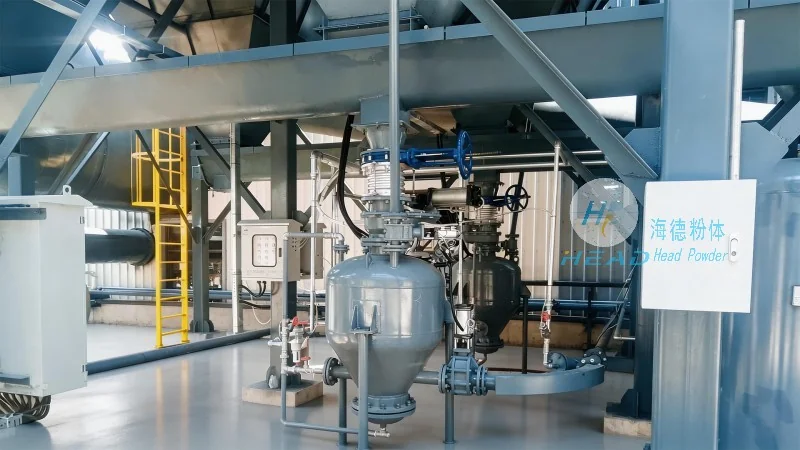
Introduction to Air-Lifted Methylcellulose Powder Handling Equipment
HeadPowder, a leading manufacturer based in Shandong, China, specializes in the design and production of advanced air-lifted powder handling systems. The company's equipment is engineered to meet the specific demands of industries that require precise and safe transportation of methylcellulose powders. This section introduces the core components and operational framework of the air-lifted system, which is fundamental to understanding its functionality.
Working Principle of Air-Lifted Methylcellulose Powder Handling Equipment
The air-lifted methylcellulose powder handling equipment operates on the principle of pneumatic conveying, where compressed air is used to transport powder materials through a pipeline. The system typically consists of a hopper, a venturi or air injection device, and a receiving tank. When the powder is released from the hopper, it is entrained by the high-velocity air stream, creating a dense phase flow that moves the material through the pipeline. The compressed air provides the necessary pressure and velocity to overcome the gravitational forces and friction within the system, ensuring efficient transportation. The process involves several key steps: material feeding, air injection, powder-air mixture formation, and material delivery to the destination tank. This pneumatic mechanism allows for continuous and automated powder handling, reducing the need for manual intervention and enhancing operational safety.
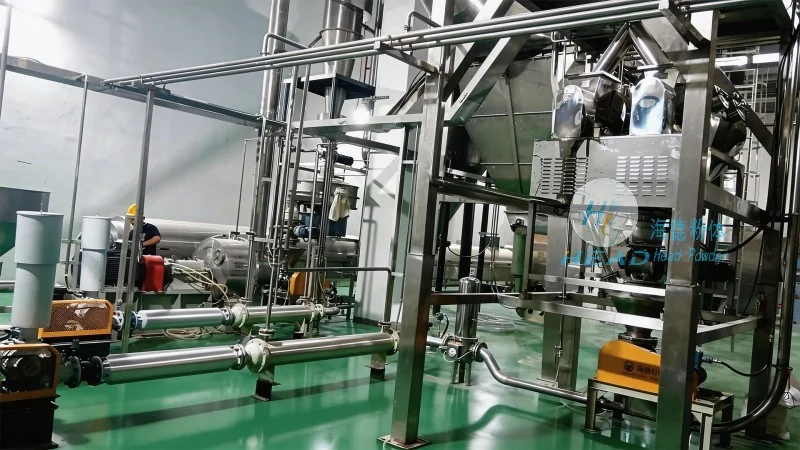
Key Features and Advantages of Air-Lifted Methylcellulose Powder Handling Equipment
HeadPowder's air-lifted methylcellulose powder handling equipment is characterized by several distinct features that enhance its performance and reliability. One of the primary advantages is its ability to handle fine powders without the risk of clogging or blockage, which is a common issue with traditional mechanical conveyors. The pneumatic system ensures that the powder remains in a suspended state, preventing agglomeration and maintaining consistent particle size distribution. Another key feature is the adjustable air flow and pressure control, which allows operators to optimize the conveying rate based on the specific properties of the methylcellulose powder. This flexibility ensures that the equipment can handle varying powder characteristics, such as moisture content and particle size, without compromising efficiency. Additionally, the system is designed with minimal moving parts, reducing maintenance requirements and extending the equipment's service life. The compact design of the air-lifted unit also makes it suitable for installation in confined spaces, providing flexibility in plant layout. The equipment also incorporates safety features, such as pressure relief valves and air filtration systems, to ensure safe operation and compliance with industrial standards. These features collectively contribute to the overall efficiency, reliability, and cost-effectiveness of the air-lifted powder handling system.
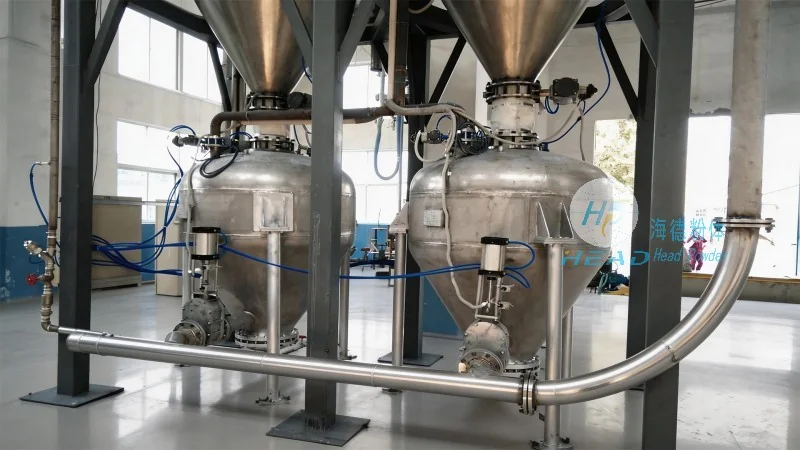
Operational Efficiency and Performance Metrics
The air-lifted methylcellulose powder handling equipment from HeadPowder is engineered to deliver high operational efficiency, with performance metrics that reflect its effectiveness in material transportation. The conveying capacity of the system can be adjusted to meet the specific needs of the application, typically ranging from low to high flow rates depending on the system design. The pressure drop across the pipeline is minimized through optimized air flow and pipeline sizing, which reduces energy consumption and operating costs. The system's efficiency is further enhanced by the use of high-quality materials and components, such as corrosion-resistant steel and durable seals, which ensure long-term performance and durability. The equipment also features automated control systems that monitor and adjust the air flow and pressure in real-time, maintaining optimal conveying conditions. This automation reduces human error and ensures consistent performance, even under varying operating conditions. The reliability of the system is demonstrated by its low downtime and high availability, which are critical for continuous production processes. The equipment's ability to handle abrasive and fine powders without degradation or loss of quality is another key performance indicator, making it suitable for applications where material integrity is paramount.
Application-Specific Considerations for Methylcellulose Powder Handling
When selecting an air-lifted methylcellulose powder handling system, several factors must be considered to ensure optimal performance and compatibility with the specific application. The first consideration is the particle size and moisture content of the methylcellulose powder, as these properties affect the air flow requirements and conveying efficiency. Coarser particles may require higher air velocities to maintain suspension, while finer powders may need lower velocities to prevent excessive pressure drop. The moisture content of the powder also impacts the system's performance, as higher moisture levels can lead to increased friction and potential clogging. Another important consideration is the distance and elevation change between the feed and receiving points, as these factors influence the required air pressure and flow rate. The system's design must account for these variables to ensure efficient transportation without excessive energy consumption. Additionally, the system's integration with existing plant infrastructure, such as storage hoppers and processing equipment, must be considered to ensure seamless operation. HeadPowder's air-lifted equipment is designed to be modular and adaptable, allowing for easy integration into existing production lines. The company also provides customization options to meet specific application requirements, ensuring that the equipment is tailored to the unique needs of each client. These considerations are essential for maximizing the performance and longevity of the air-lifted powder handling system.