

The Operation Process and Working Principle of Sodium Sulfate Powder Pneumatic Conveying Equipment
Shandong HeadPowder Engineering Co., Ltd., a professional manufacturer based in China, specializes in the design, production, and supply of advanced pneumatic conveying equipment for various industrial applications. This article provides a detailed overview of the operation process and working principle of a sodium sulfate powder pneumatic conveying system, highlighting the key components, operational steps, and technical aspects that ensure efficient and reliable material handling.
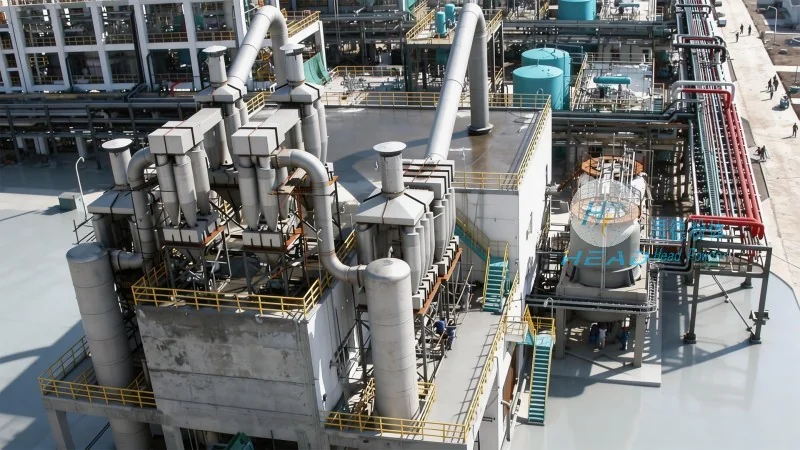
The working principle of a sodium sulfate powder pneumatic conveying system is based on the use of compressed air to transport bulk materials through a pipeline network. The system typically consists of several key components, including a material hopper, a rotary airlock feeder, a conveying line, and a receiver or discharge point. The process begins with the material being fed into the hopper from a storage silo or bulk container. The rotary airlock feeder then controls the flow of sodium sulfate powder into the conveying line, ensuring a consistent and controlled feed rate.
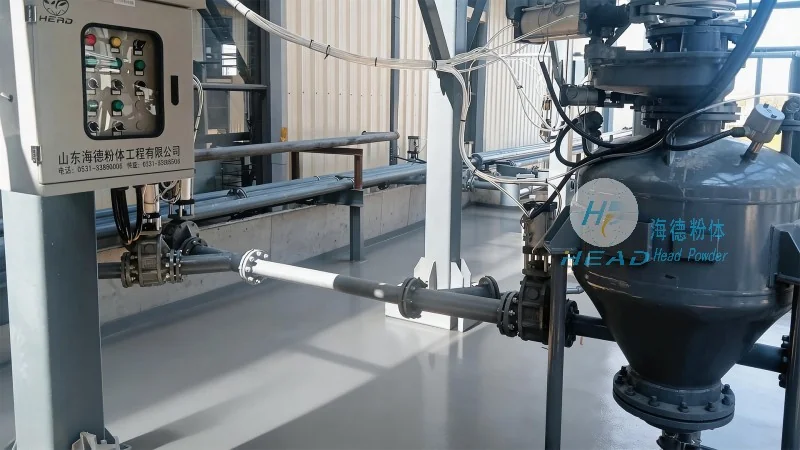
Once the material is fed into the conveying line, the compressed air is introduced at a specific pressure and flow rate. The air and powder mixture travels through the pipeline, with the air providing the necessary kinetic energy to move the powder particles. The conveying line may include bends, expansions, or other components to direct the flow and maintain the material's suspension. The receiver or discharge point is designed to separate the air from the powder, allowing the sodium sulfate to be deposited in the target location, such as a storage tank, processing unit, or packaging area.
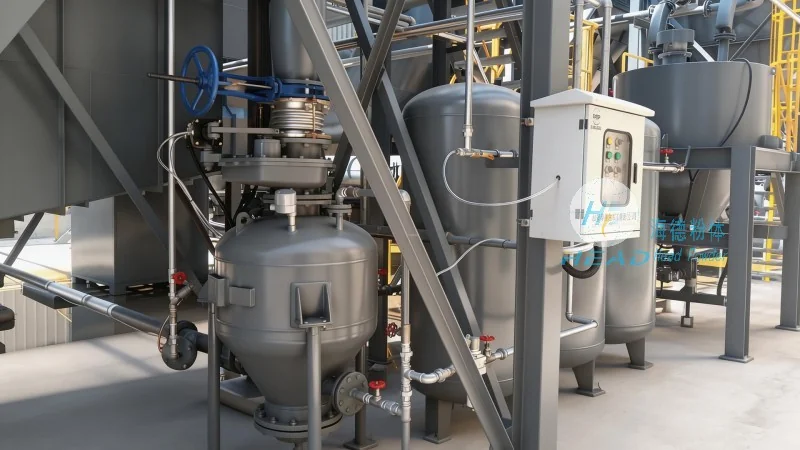
Key components of the system include the material hopper, which stores the sodium sulfate powder and provides a controlled feed source. The rotary airlock feeder, often referred to as a star valve, is crucial for preventing backflow and maintaining a consistent material flow rate. The conveying line is typically made of durable materials like stainless steel or PVC to withstand the abrasive nature of the powder and the effects of the compressed air. The receiver or discharge unit may include a cyclone separator or other filtration equipment to ensure that the air is properly vented and the powder is collected without loss.
Efficiency in the operation of sodium sulfate powder pneumatic conveying equipment depends on several factors, including the air pressure, flow rate, and pipeline design. Proper sizing of the conveying line and air compressor is essential to ensure that the material is transported at the desired speed without excessive pressure drop or particle degradation. The system also requires regular maintenance to prevent blockages, wear, and other issues that could affect performance. Shandong HeadPowder Engineering Co., Ltd. offers comprehensive support and maintenance services to ensure that their equipment operates at peak efficiency and provides long-term reliability for industrial applications.
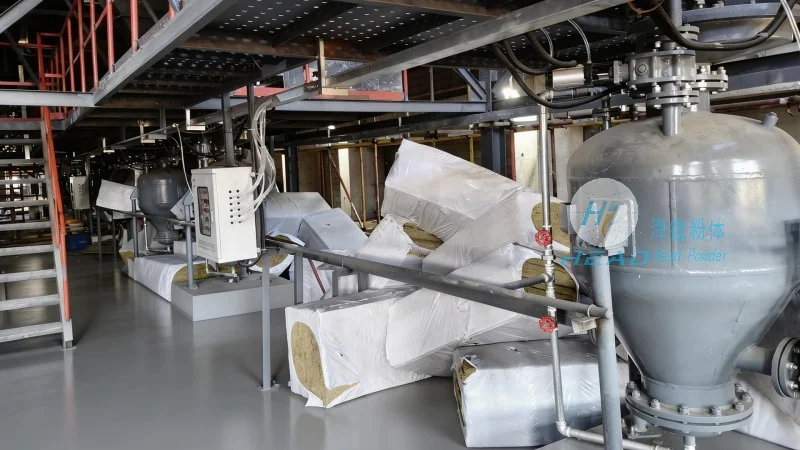
In summary, the operation process and working principle of a sodium sulfate powder pneumatic conveying system involve the controlled feeding of material, the use of compressed air to transport the powder through a pipeline, and the separation of the material from the air at the discharge point. This technology offers significant advantages over traditional mechanical conveying methods, including reduced labor costs, improved safety, and the ability to handle materials in a dust-free environment. As a leading manufacturer in China, Shandong HeadPowder Engineering Co., Ltd. provides high-quality pneumatic conveying equipment tailored to the specific needs of industries handling sodium sulfate and other bulk powders, ensuring efficient and reliable material handling solutions.