

Operation Process and Working Principle of Metallurgical Coke Powder Conveying Equipment
Metallurgical coke powder conveying equipment is a specialized system designed to handle and transport coke powder, a critical raw material in the iron and steel industry. The equipment is engineered to ensure efficient, reliable, and safe transportation of coke powder from storage to processing units. This article will explore the operation process and working principle of such equipment, highlighting the key components and their functions.
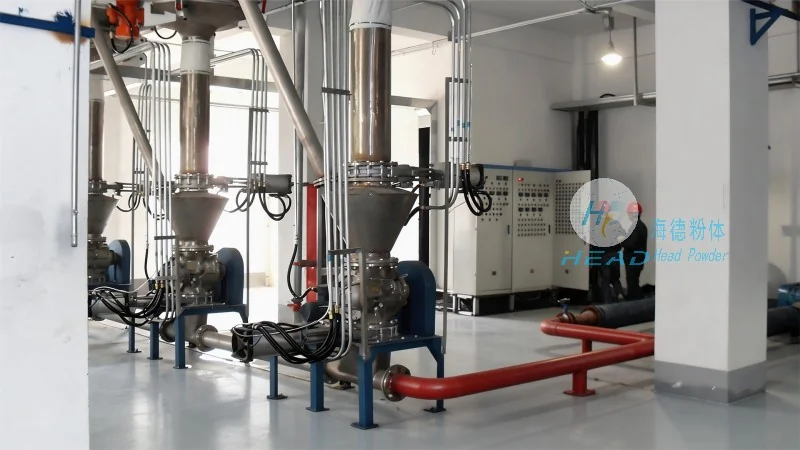
About Shandong HeadPowder Engineering Co., Ltd.
HeadPowder, a leading manufacturer based in Shandong, China, specializes in the design, development, and production of advanced powder handling systems. With a strong commitment to quality and innovation, the company provides tailored solutions for various industrial applications, including metallurgical coke powder conveying. The company's headquarters is located in Shandong, China, where it leverages its expertise to deliver high-performance equipment that meets the stringent requirements of modern industrial operations.
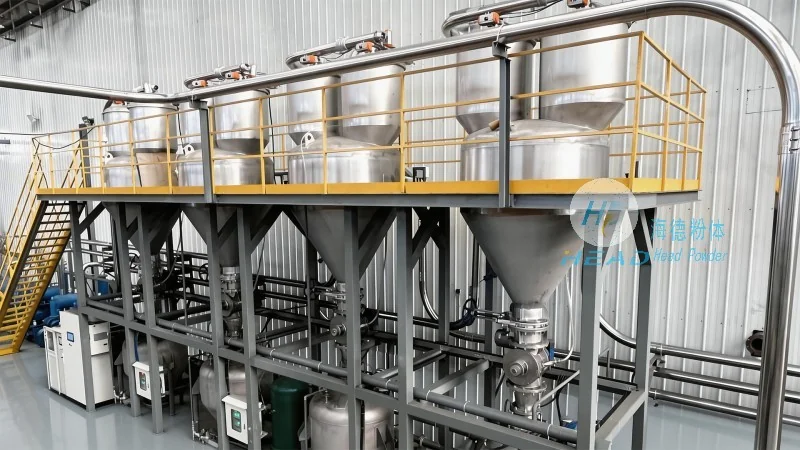
Key Components and Working Principle
The operation of metallurgical coke powder conveying equipment involves several key components that work in tandem to ensure smooth and efficient material transport. The primary components include a hopper for material storage, a feeder to control the flow rate, a conveyor system (such as a screw conveyor or pneumatic conveyor) to move the powder, and a control system to monitor and regulate the entire process. The working principle revolves around the controlled feeding of coke powder from the hopper into the conveyor, where it is then transported to the desired destination. The feeder plays a crucial role in maintaining a consistent flow rate, preventing overloading or underloading of the conveyor, which could lead to system inefficiencies or equipment damage. The conveyor system, whether mechanical or pneumatic, utilizes either mechanical force (e.g., screw rotation) or air pressure to move the powder through the pipeline. The control system integrates sensors and actuators to monitor parameters such as flow rate, pressure, and temperature, ensuring optimal performance and safety.
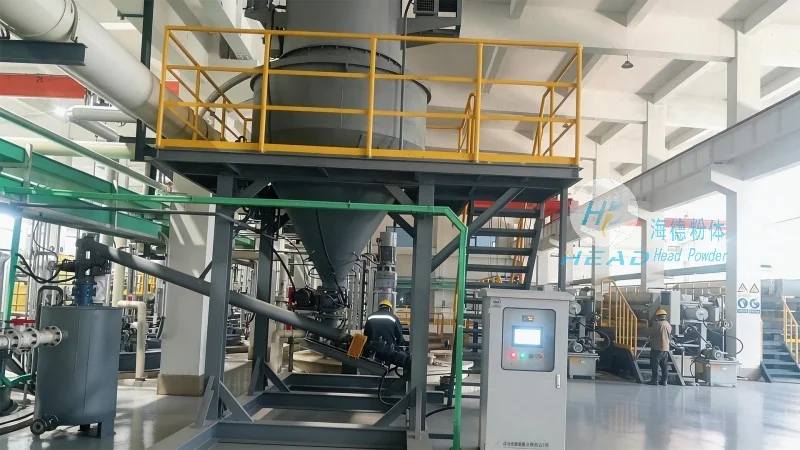
Operation Process of the Conveying Equipment
The operation process of metallurgical coke powder conveying equipment typically follows a systematic sequence to ensure reliable material handling. The process begins with the loading of coke powder into the hopper, which is usually equipped with a feeding mechanism to facilitate material entry. Once the hopper is filled, the feeder activates and starts controlling the flow rate of the powder into the conveyor. The conveyor then transports the powder through the pipeline to the processing unit or storage area. During the operation, the control system continuously monitors the system parameters, adjusting the feeder speed or conveyor speed as needed to maintain a stable flow. This dynamic adjustment ensures that the system operates within safe and efficient limits, preventing issues such as blockages or excessive pressure. The process concludes when the material reaches its destination, and the control system signals the end of the cycle, allowing for the next batch of material to be processed. Throughout the operation, safety features such as pressure relief valves and emergency stop buttons are activated to protect the equipment and personnel from potential hazards.
Features and Advantages of the Equipment
Metallurgical coke powder conveying equipment from HeadPowder offers several advantages that make it suitable for demanding industrial applications. The equipment is designed with durability and reliability in mind, using high-quality materials that can withstand the abrasive nature of coke powder. The modular design allows for easy maintenance and replacement of components, reducing downtime and maintenance costs. The system is also equipped with advanced control technology, enabling precise control over the conveying process and ensuring consistent material quality. Additionally, the equipment is designed to minimize dust generation and environmental impact, with features such as dust collection systems and sealed pipelines. These features not only improve safety but also comply with environmental regulations, making the equipment a sustainable solution for industrial operations.
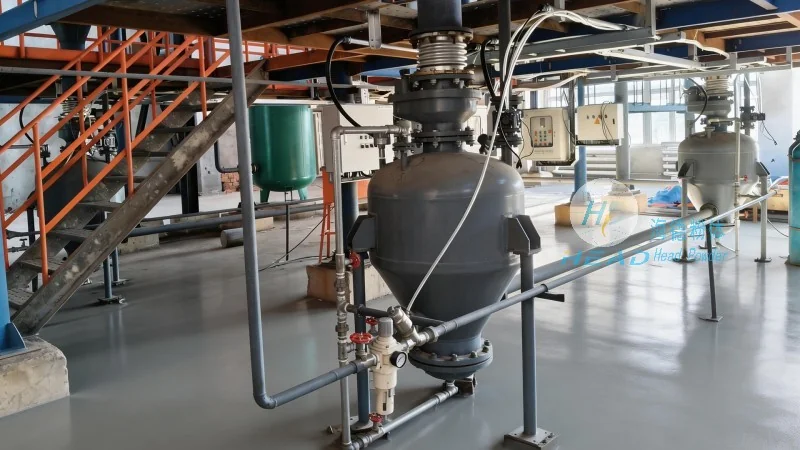
Conclusion
Metallurgical coke powder conveying equipment is a critical component in the iron and steel industry, enabling the efficient and safe transport of coke powder. The operation process and working principle of such equipment involve a combination of key components and advanced control systems, ensuring reliable performance. HeadPowder, with its expertise and commitment to quality, provides high-performance equipment that meets the needs of modern industrial operations. By understanding the operation process and working principle of these systems, users can optimize their material handling processes and improve overall efficiency.