

What is an Alumina Powder Conveying Machine? And What Are Its Design Principles?
Alumina powder conveying machines are specialized equipment designed to handle and transport fine alumina powders efficiently and safely. These machines are crucial in various industrial applications where alumina is a key material, such as in ceramics, refractory production, and chemical processing. Understanding the design principles behind these machines is essential for optimizing performance and ensuring reliable operation in production lines.
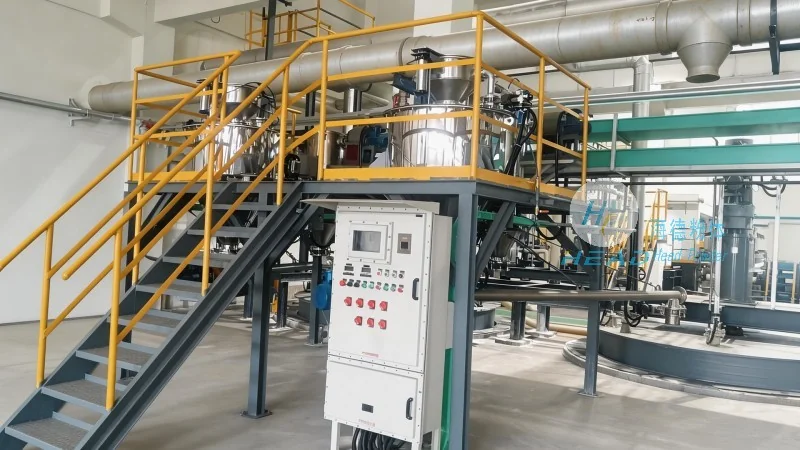
Overview of Alumina Powder Conveying Machines
Alumina powder conveying machines are engineered to manage the unique properties of alumina powder, which includes its fine particle size, high density, and potential for static charge accumulation. The primary goal of these machines is to transport the powder from one location to another without causing degradation, clogging, or loss of material. This is achieved through a combination of mechanical components and control systems tailored to the specific characteristics of alumina powder.
Key Design Principles for Alumina Powder Conveying
The design of an alumina powder conveying machine revolves around several critical principles that address the challenges posed by alumina powder. These principles include material handling efficiency, dust control, and system reliability. Each component is carefully selected and integrated to ensure the machine can operate under demanding conditions while maintaining product integrity.
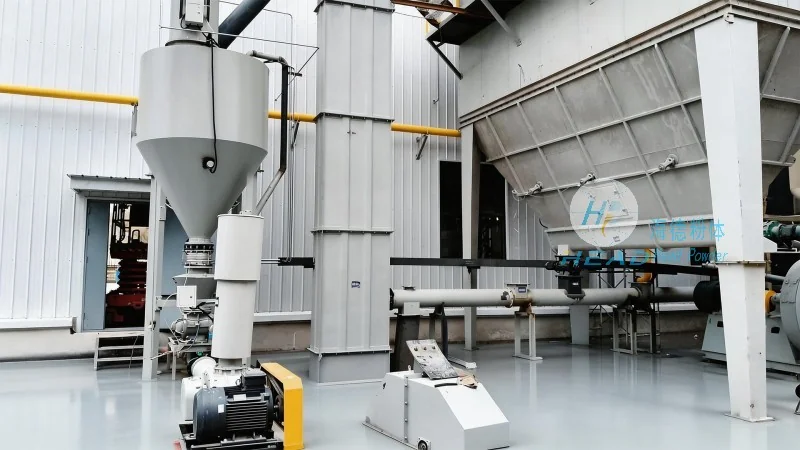
Components and Mechanisms in Alumina Powder Conveying Systems
Alumina powder conveying machines typically consist of several key components, including feeders, conveyors, and control units. The feeder is responsible for uniformly feeding the alumina powder into the system, preventing overloading or uneven flow. The conveyor, often a pneumatic or mechanical system, transports the powder through the pipeline. Pneumatic conveying systems use compressed air to move the powder, while mechanical systems rely on screw conveyors or belt conveyors. The choice of system depends on factors such as the required conveying distance, powder flow rate, and environmental considerations. For example, in long-distance applications, pneumatic conveying is preferred due to its ability to handle high volumes and maintain consistent flow rates. In contrast, mechanical conveyors are more suitable for short-distance transport where space constraints are a factor.
Material Selection and Construction for Alumina Powder Handling
Due to the abrasive nature of alumina powder, the construction of conveying machines must use materials that can withstand wear and corrosion. Common materials include stainless steel, special alloys, and high-quality plastics. The internal surfaces of the conveying pipes and components are often lined with wear-resistant materials like tungsten carbide or ceramic coatings to extend the service life of the equipment. Additionally, anti-static measures are incorporated into the design to prevent powder buildup and potential fire hazards, which are common risks when handling fine powders. These measures may include grounding electrodes, conductive coatings, and static dissipative materials in the construction of the machine.
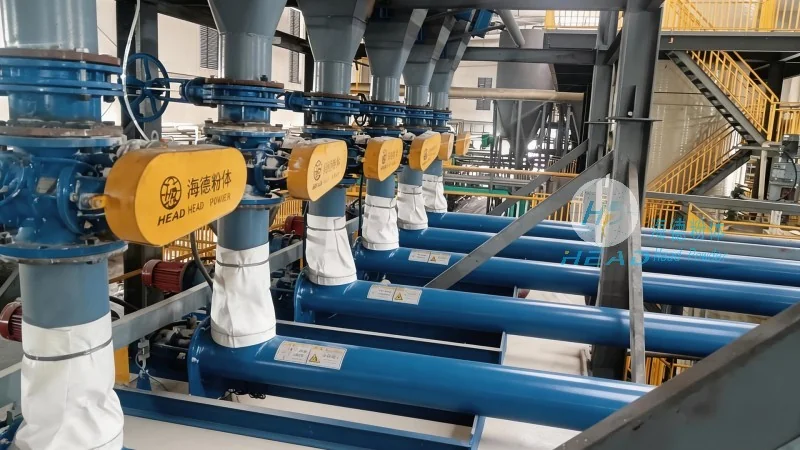
Control Systems and Automation in Alumina Powder Conveying
Modern alumina powder conveying machines are equipped with advanced control systems that monitor and regulate the operation of the system. These systems include sensors for detecting powder levels, pressure, and flow rates. Automation features allow for precise control over the conveying process, ensuring consistent performance and reducing the risk of human error. The control systems can also integrate with other production equipment, enabling seamless coordination in the manufacturing process. For instance, the system can be programmed to adjust the air pressure or conveyor speed based on real-time feedback from sensors, optimizing the flow rate and preventing clogging. This level of automation enhances operational efficiency and product quality.
Applications and Industries Using Alumina Powder Conveying Machines
Alumina powder conveying machines are widely used in industries that rely on alumina as a raw material. In the ceramics industry, these machines are used to transport alumina powder to kilns and mixing equipment. In refractory production, they help move alumina-based materials to molding and processing stations. Chemical processing facilities also utilize these machines to handle alumina in reaction vessels and storage tanks. The versatility of alumina powder conveying machines makes them indispensable in these and other industrial sectors.
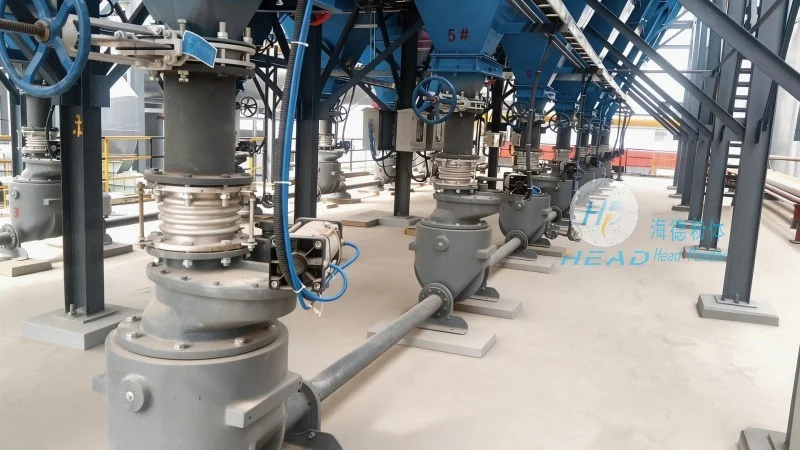
Benefits of Using Alumina Powder Conveying Machines
Implementing alumina powder conveying machines offers several benefits to industrial operations. These include improved efficiency in material handling, reduced labor costs due to automated processes, and enhanced product quality through consistent powder flow. Additionally, the machines help minimize material loss and contamination, leading to cost savings and better environmental compliance. The reliability of these systems also contributes to increased uptime and reduced maintenance costs over time.
HeadPowder, a leading manufacturer of alumina powder conveying machines, specializes in providing high-quality equipment tailored to the needs of various industrial applications. With a strong focus on innovation and reliability, HeadPowder's products are designed to meet the stringent requirements of industries such as ceramics, refractory, and chemical processing. The company's headquarters is located in Shandong, China, where it leverages advanced manufacturing techniques and a team of experienced engineers to develop cutting-edge powder handling solutions.