

Operation Process and Working Principle of Cotton Fiber Powder Handling Equipment
HeadPowder, a leading manufacturer based in Shandong, China, specializes in the design and production of advanced cotton fiber powder handling equipment. This equipment is engineered to efficiently manage the transportation, storage, and processing of cotton fiber powders, which are crucial in various industrial applications such as textile manufacturing, chemical processing, and material science. The company's commitment to precision engineering ensures that each device meets stringent industry standards, providing reliable performance and durability.
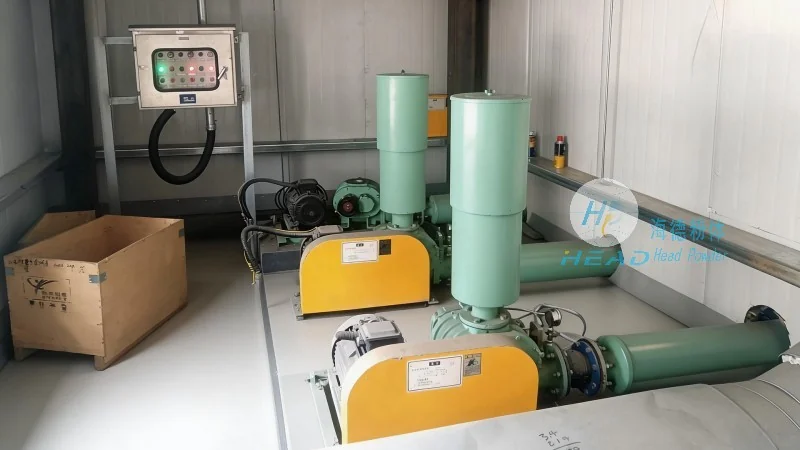
Key Components and Structure of the Powder Handling System
The cotton fiber powder handling equipment typically consists of several core components that work in tandem to ensure smooth operation. These include a hopper for material storage, a conveyor system for transport, a dust collection unit for safety, and a control panel for operational management. The hopper is designed with a large capacity to accommodate bulk cotton fiber powders, often equipped with a discharge valve to regulate the flow of material. The conveyor system, which may include screw conveyors, belt conveyors, or pneumatic conveyors, is selected based on the specific characteristics of the cotton fiber powder, such as particle size, moisture content, and bulk density. The dust collection unit is integrated to capture airborne particles, maintaining a clean and safe working environment. The control panel allows operators to monitor and adjust parameters like speed, pressure, and temperature, ensuring optimal performance.
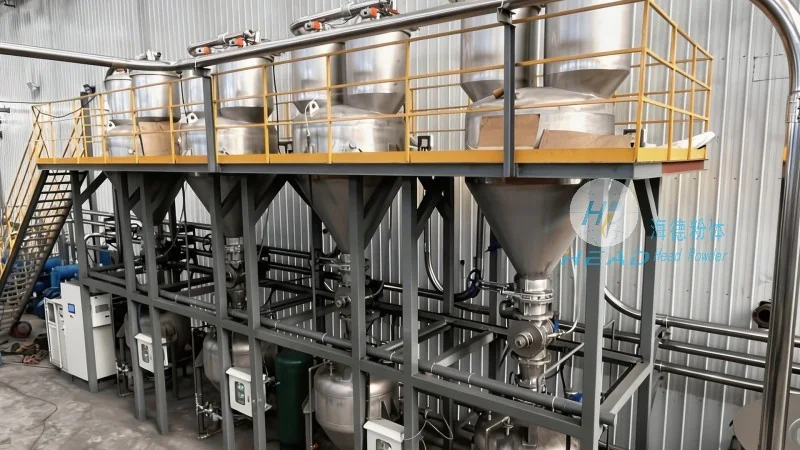
Operation Process: Step-by-Step Execution
The operation of the cotton fiber powder handling equipment follows a systematic process to ensure efficient material handling. The process begins with the loading of cotton fiber powders into the hopper. The material is then discharged from the hopper into the conveyor system, which transports it to the desired location, such as a processing unit or storage silo. The conveyor system may involve multiple stages, with intermediate storage or mixing units to adjust the material's properties if needed. The material is then transferred to the next stage of the production line, where it is further processed or packaged. Throughout the operation, the dust collection unit continuously captures any airborne particles, preventing contamination and ensuring compliance with safety regulations. The control panel allows operators to monitor the entire process, making real-time adjustments to maintain consistent performance and prevent equipment downtime.
Working Principle: How the Equipment Functions
The working principle of the cotton fiber powder handling equipment is based on mechanical and pneumatic systems that work together to move and process the cotton fiber powders. The mechanical components, such as conveyors and hoppers, rely on gravity and mechanical force to transport the material. The screw conveyor, for example, uses rotating screws to push the material forward, while the belt conveyor uses a moving belt to carry the material. The pneumatic system, when used, employs compressed air to create a flow of air that carries the powder particles through a pipeline. This system is particularly effective for handling fine or lightweight cotton fiber powders, as it minimizes friction and prevents material degradation. The control system, which may include sensors and automation technology, monitors the flow rate, pressure, and temperature of the material, ensuring that the equipment operates within safe and efficient parameters. The integration of these components allows for a seamless and reliable operation, making the equipment suitable for high-volume production environments.
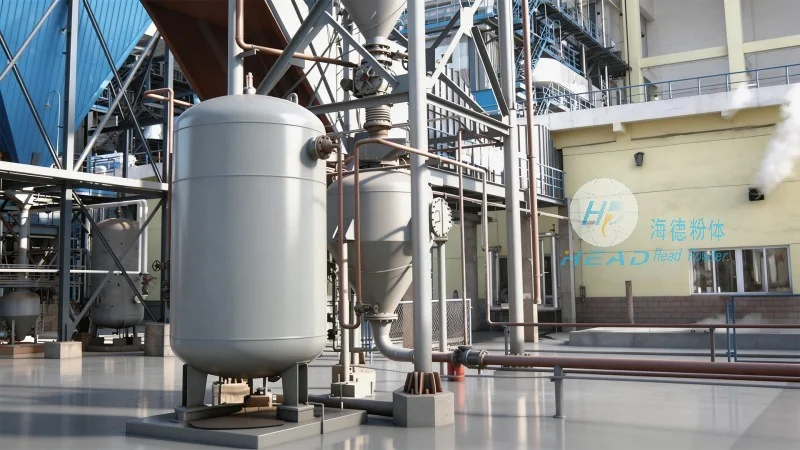
Advantages and Applications in Industrial Settings
The cotton fiber powder handling equipment from HeadPowder offers several advantages that make it ideal for industrial applications. The equipment is designed to handle bulk quantities of cotton fiber powders, reducing the need for manual handling and improving operational efficiency. The dust collection system ensures a clean working environment, enhancing safety and compliance with environmental regulations. The adjustable control panel allows for customization to meet specific production requirements, such as varying flow rates or temperature settings. The equipment is also durable and low-maintenance, with components designed to withstand the abrasive nature of cotton fiber powders. These features make the equipment suitable for various industries, including textile manufacturing, where cotton fiber powders are used in the production of yarn and fabric, and chemical processing, where the powders are used as raw materials in the synthesis of textiles and other products.