Calcium oxide, commonly known as quicklime, is a widely used industrial material in various sectors such as construction, steel production, and chemical manufacturing. The efficient and safe transportation of calcium oxide dry powder is crucial for industrial operations, and pneumatic conveying systems have emerged as a preferred solution due to their ability to handle bulk materials with minimal dust and environmental impact. This article provides an overview of calcium oxide dry powder pneumatic conveying, detailing its structural components and operational principles.
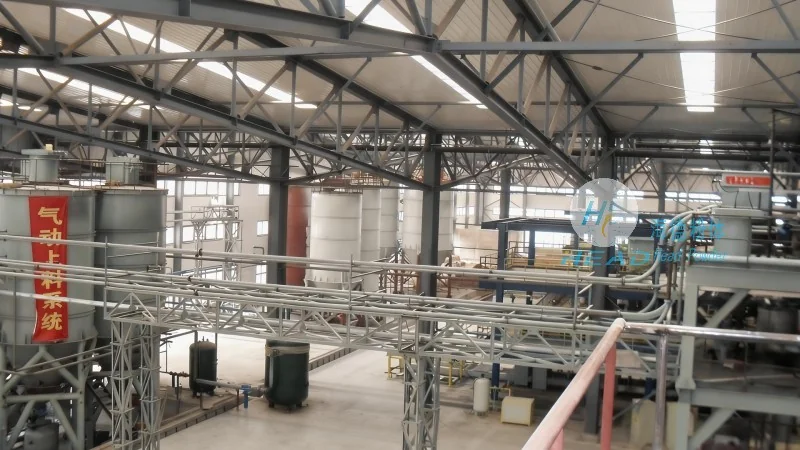
Key Structural Components of the Pneumatic Conveying System
The calcium oxide dry powder pneumatic conveying system consists of several critical components that work in tandem to ensure reliable material transport. The primary components include the material hopper, which serves as the storage and feeding unit for the calcium oxide powder. The hopper is equipped with a rotary valve or feeder to control the flow rate of the material, preventing overfilling and ensuring a steady supply to the conveying line. The conveying line itself is typically made of stainless steel or other corrosion-resistant materials to accommodate the chemical properties of calcium oxide and prevent material degradation or system corrosion.
At the heart of the system is the air compressor or blower, which generates the necessary air pressure to move the powder through the pipeline. The air compressor is selected based on the required flow rate and pressure, ensuring sufficient force to overcome resistance in the conveying line and maintain material suspension. The pipeline network connects the hopper to the discharge point, with appropriate fittings and elbows to direct the material flow. Additionally, a filter system is integrated to capture any fine particles that may escape the conveying line, protecting the environment and maintaining air quality. The discharge unit, such as a rotary valve or a dust collector, ensures the material is deposited accurately at the destination, minimizing spillage and contamination.
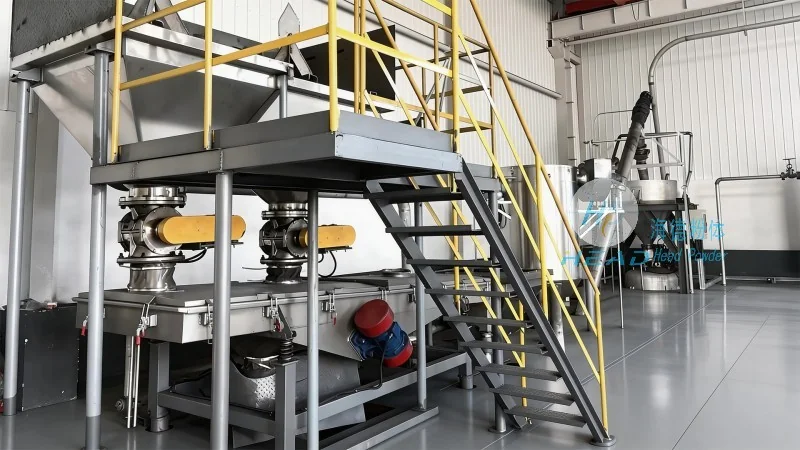
Operational Principles and Working Mechanism
The pneumatic conveying of calcium oxide dry powder operates on the principle of air suspension, where the material is carried by a stream of air within the pipeline. The system functions by introducing compressed air into the material hopper, creating a low-pressure zone that draws the powder into the conveying line. As the air and powder mixture travels through the pipeline, the air velocity is maintained at a level sufficient to keep the powder particles suspended, preventing settling or blockages. The key to efficient operation lies in balancing the air flow rate and material feed rate to achieve optimal suspension and minimal pressure drop.
During the conveying process, the system monitors parameters such as pressure, flow rate, and material level to ensure smooth operation. Any fluctuations in these parameters are automatically adjusted by the control system to maintain consistent performance. The use of a rotary valve at the discharge end allows for controlled material release, preventing overloading of downstream equipment and ensuring precise dosing. The filter system plays a critical role in maintaining air quality by capturing fine calcium oxide particles, which are then collected for reuse or disposal, reducing waste and environmental impact.
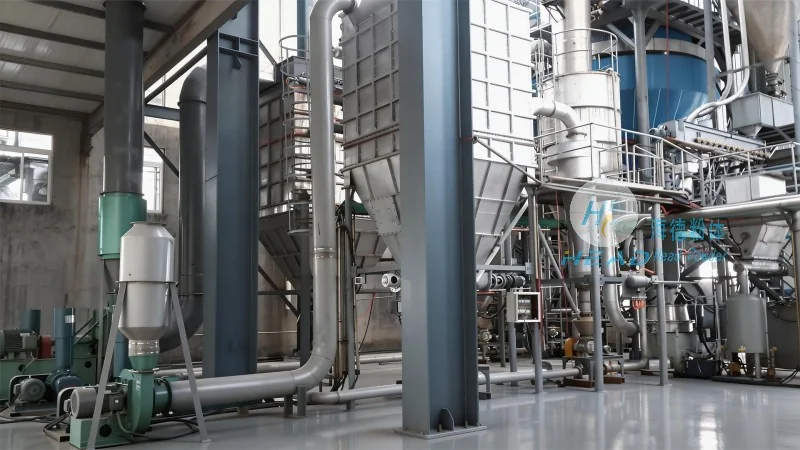
Advantages of Pneumatic Conveying for Calcium Oxide
Compared to traditional methods like belt conveyors or bucket elevators, pneumatic conveying offers several advantages for calcium oxide transportation. One of the primary benefits is the ability to handle fine powders without generating excessive dust, which is a significant concern in industrial settings. The enclosed system minimizes exposure to airborne particles, enhancing workplace safety and compliance with environmental regulations. Additionally, pneumatic conveying systems are more flexible in terms of layout, as the pipeline can be routed around obstacles, making it suitable for complex industrial environments.
Another advantage is the reduced risk of material degradation. Unlike open systems, the enclosed pipeline prevents moisture absorption or contamination from external sources, preserving the quality of the calcium oxide. This is particularly important for applications where the material's reactivity or purity is critical, such as in chemical synthesis or steel production. The system also offers higher efficiency in terms of space utilization, as the pipeline can be installed vertically or horizontally to fit the available space, optimizing the overall footprint of the industrial facility.
Applications and Industrial Use Cases
Calcium oxide dry powder pneumatic conveying systems are widely used in various industrial applications, particularly in the chemical and construction industries. In the chemical sector, these systems are employed in the production of calcium-based compounds, such as calcium hydroxide or calcium carbonate, where the material needs to be transported from storage to processing units. The consistent and controlled flow of calcium oxide ensures uniform reaction rates and product quality, enhancing overall production efficiency.
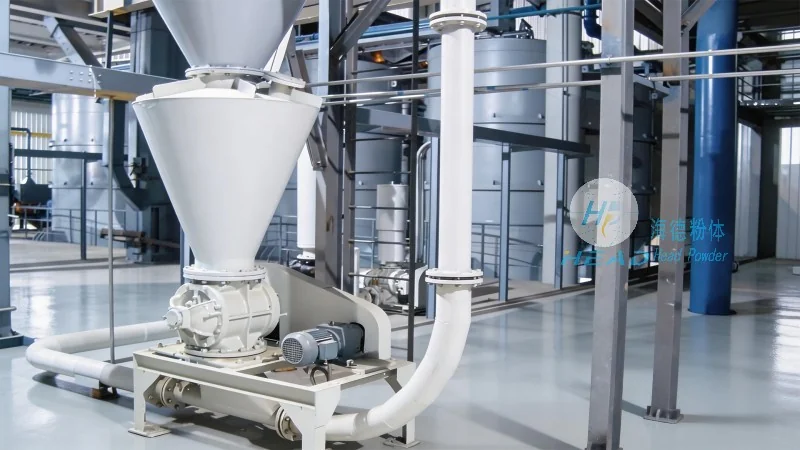
In the construction industry, calcium oxide is used as a raw material in the production of cement and concrete, where its reactivity with water is utilized to enhance the strength and durability of building materials. Pneumatic conveying systems are ideal for transporting calcium oxide to cement plants or concrete mixing facilities, as they can handle large volumes of material while maintaining a clean and safe operation. The ability to deliver the material directly to the processing line reduces handling steps and minimizes material loss, contributing to cost savings and improved productivity.
Conclusion and Company Overview
Calcium oxide dry powder pneumatic conveying is a sophisticated and efficient method for transporting bulk materials, offering significant advantages in terms of safety, environmental impact, and operational flexibility. The structural components and operational principles of these systems are designed to ensure reliable and consistent material transport, making them a preferred choice for industrial applications. Shandong HeadPowder Engineering Co., Ltd., based in Shandong, China, specializes in the design, manufacturing, and installation of pneumatic conveying systems tailored to the specific needs of industrial clients. With a focus on quality and innovation, the company provides comprehensive solutions for calcium oxide and other dry powder handling, ensuring optimal performance and customer satisfaction.




