HeadPowder, a leading engineering company based in Shandong, China, specializes in advanced material handling solutions. Our expertise lies in the design and implementation of pneumatic conveying systems tailored for various industrial applications, including the efficient transport of seaweed residue pellets. This article provides an overview of the pneumatic conveying process for seaweed residue pellets, detailing the structural principles and operational mechanisms that enable effective material transport.
Understanding Pneumatic Conveying Systems for Seaweed Residue Pellets
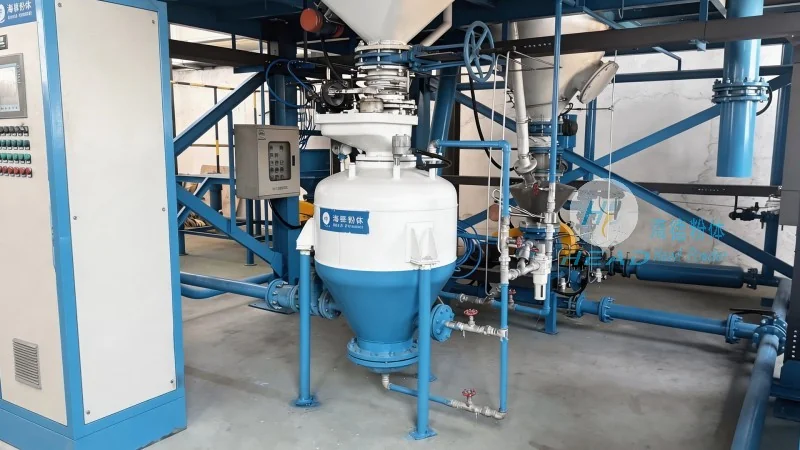
Pneumatic conveying is a method of transporting bulk materials through a pipeline using a gas stream, typically air or other gases. In the context of seaweed residue pellets, this technology offers a clean, efficient, and low-maintenance alternative to traditional mechanical conveying methods. The system operates by introducing the material into a hopper, where it is then drawn into a pipeline by the moving air stream. This process ensures that the pellets are transported without direct contact with mechanical components, minimizing wear and tear and reducing the risk of contamination.
Structural Components and Operational Principles
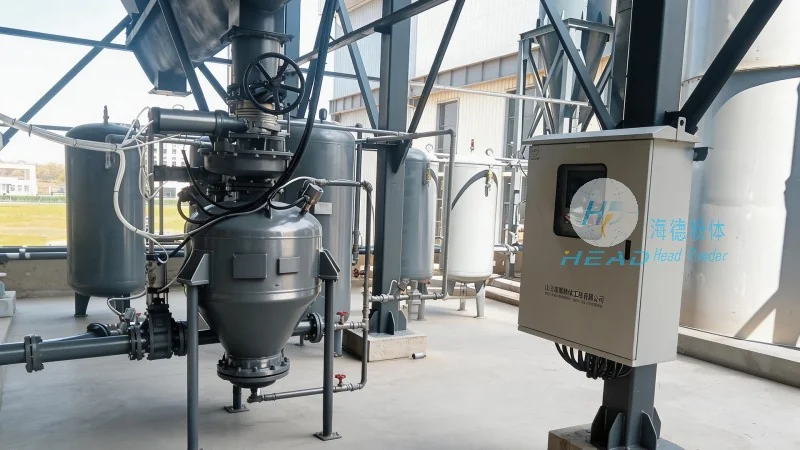
The core components of a pneumatic conveying system for seaweed residue pellets include a hopper, a feeder, a pipeline network, a blower or compressor, and a discharge unit. The hopper serves as the storage and feeding point, where the pellets are loaded and then transferred to the feeder. The feeder regulates the flow rate of the material into the pipeline, ensuring consistent and controlled transport. The pipeline network connects the hopper to the discharge point, with appropriate bends and fittings to maintain the flow of material. The blower or compressor provides the necessary air pressure to move the pellets through the pipeline. Finally, the discharge unit collects the material at the end of the pipeline, completing the transport process.
Advantages of Pneumatic Conveying for Seaweed Residue Pellets
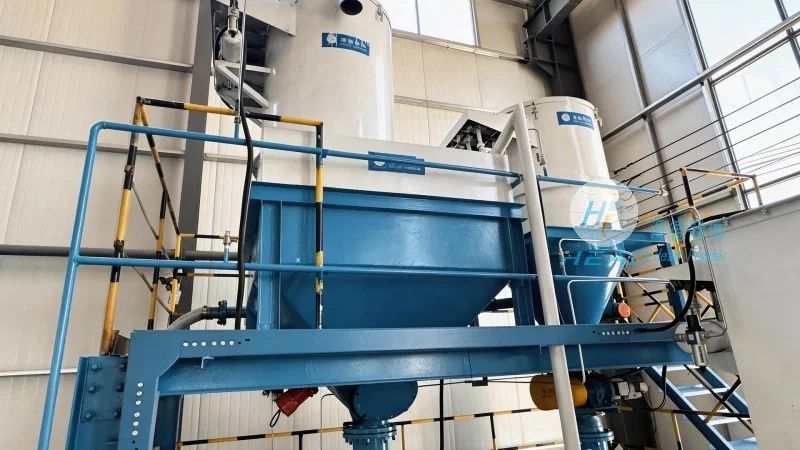
Compared to traditional conveying methods, pneumatic conveying offers several advantages for handling seaweed residue pellets. Firstly, it provides a dust-free environment, which is crucial for maintaining product quality and ensuring workplace safety. Secondly, the system is highly flexible, allowing for changes in the transport route or capacity without significant modifications. Thirdly, it reduces labor costs by automating the material handling process and minimizing the need for manual intervention. Additionally, the system is compact and can be integrated into existing industrial setups, making it a cost-effective solution for various applications.
Application Scenarios and Customization
The pneumatic conveying system for seaweed residue pellets is versatile and can be adapted to various industrial scenarios. For example, in the food processing industry, it can be used to transport dried seaweed residue from a processing plant to a storage facility. In the agricultural sector, it can facilitate the movement of pellets from a farm to a processing center. The system can also be customized to handle different pellet sizes and moisture contents, ensuring optimal performance for specific applications. Our team at HeadPowder works closely with clients to design and implement tailored solutions that meet their unique requirements and operational needs.
Maintenance and Operational Considerations
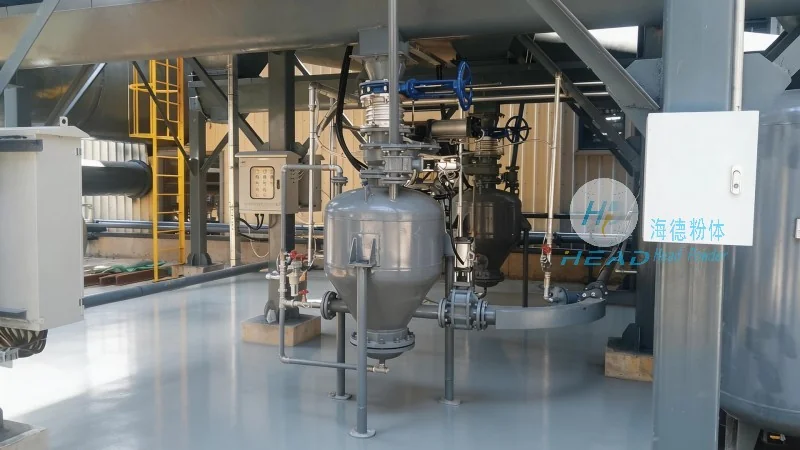
Proper maintenance is essential to ensure the longevity and efficiency of the pneumatic conveying system. Regular inspection of the hopper, feeder, and pipeline network is necessary to detect any blockages or wear and tear. The blower or compressor should be checked for proper air pressure and flow rates to maintain consistent material transport. Additionally, the system should be cleaned regularly to prevent the accumulation of dust or debris, which can affect performance. By following these maintenance guidelines, clients can ensure that their pneumatic conveying system operates at peak efficiency and provides reliable service for years to come.




