For industrial applications requiring efficient material handling, PVA-formaldehyde pneumatic conveying systems offer a reliable solution. This article provides an overview of the system's structure and operational principles, highlighting its key components and how they work together to ensure effective material transport. The following sections delve into the technical aspects and practical applications of this technology.
Understanding PVA-Formaldehyde Pneumatic Conveying Systems
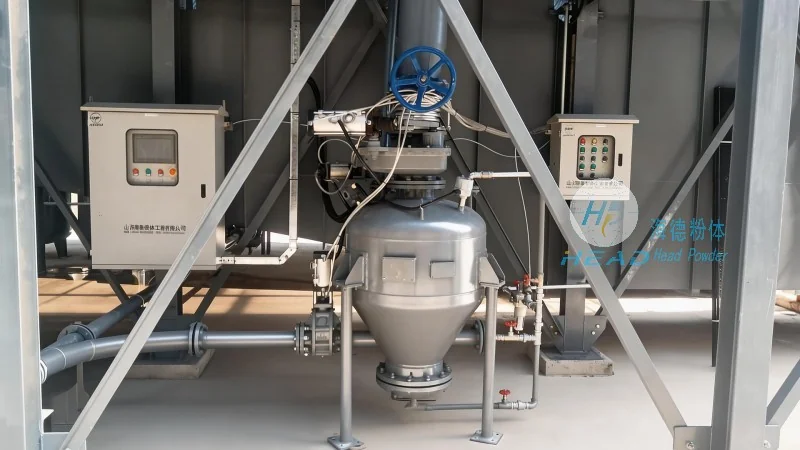
PVA-formaldehyde, a polymer widely used in various industries, often requires specialized handling due to its physical properties. Pneumatic conveying systems are designed to transport such materials in a dust-free and controlled manner. The system typically consists of several core components, including a hopper, feeder, conveyor line, and receiver. Each component plays a crucial role in the overall operation, ensuring that the material is moved safely and efficiently from the source to the destination.
Key Structural Components and Their Functions
The hopper serves as the initial storage container for the PVA-formaldehyde material. It is designed to hold the bulk material and provide a consistent feed to the feeder. The feeder, often a rotary valve or screw feeder, regulates the flow of material into the conveyor line. This component is critical for maintaining a steady flow rate, preventing blockages, and ensuring that the material is conveyed at the desired speed. The conveyor line itself is the main transport path, usually made of metal or plastic, and is connected to a blower or air compressor that generates the necessary airflow. The receiver is the final storage container where the material is deposited after being conveyed through the system.
Operational Principles and How the System Works
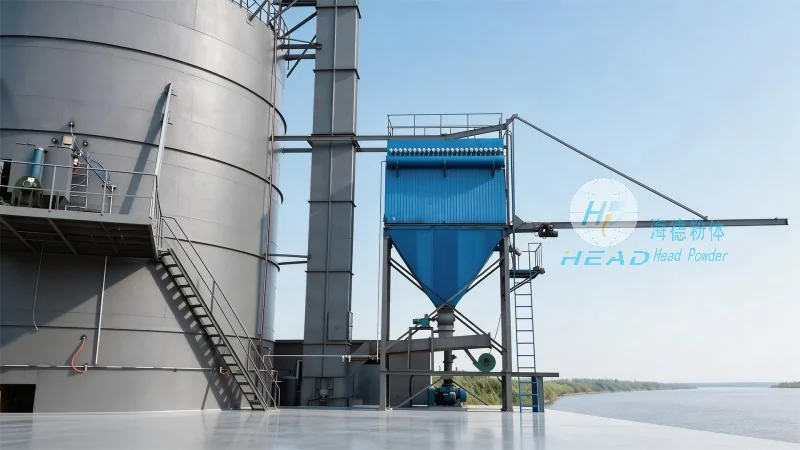
The pneumatic conveying process relies on the movement of air or gas to transport the material. In a typical system, the blower creates a low-pressure zone within the conveyor line. As the material is introduced into the line from the hopper, it is entrained by the moving air and carried along the pipeline. The air velocity is carefully controlled to ensure that the material particles are fully suspended and transported without settling or causing blockages. The system may also include features such as cyclones or filters to separate the material from the air at the receiver, ensuring that the material is deposited cleanly and the air is returned to the blower for reuse.
Applications and Benefits of PVA-Formaldehyde Pneumatic Conveying
PVA-formaldehyde pneumatic conveying systems are commonly used in industries such as pharmaceuticals, food processing, and chemical manufacturing. The primary benefits of this technology include dust-free operation, reduced material degradation, and improved safety compared to traditional methods like bucket elevators or belt conveyors. Additionally, the system allows for precise control over the material flow rate, which is essential for maintaining product quality and consistency. The compact design of the system also makes it suitable for applications with limited space, and the ability to transport materials over long distances without the need for multiple transfer points enhances its versatility.
Company Overview: Shandong HeadPowder Engineering Co., Ltd.
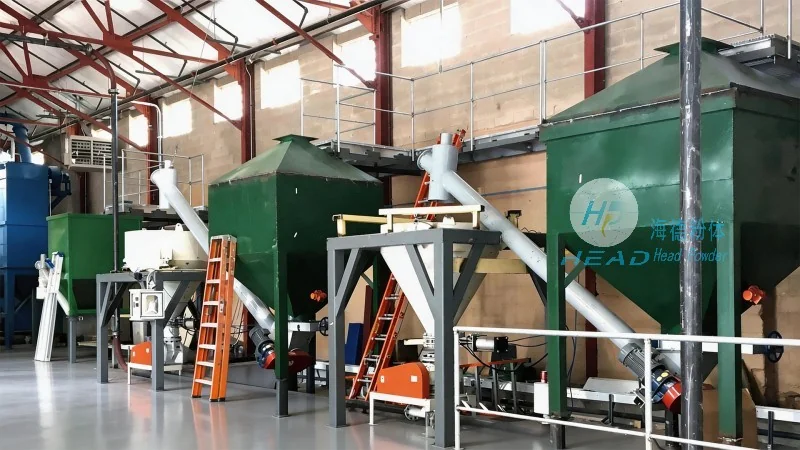
HeadPowder, a leading manufacturer of material handling solutions, specializes in designing and manufacturing PVA-formaldehyde pneumatic conveying systems. With years of experience in the industry, the company has developed a reputation for producing high-quality, reliable equipment that meets the specific needs of its clients. HeadPowder's team of engineers and technicians work closely with customers to understand their operational requirements and provide customized solutions that enhance efficiency and productivity. The company's facilities are located in Shandong, China, where it operates a state-of-the-art manufacturing plant and research and development center.
Conclusion
PVA-formaldehyde pneumatic conveying systems represent a sophisticated and effective solution for material handling in various industrial applications. By understanding the structural components and operational principles, users can appreciate the efficiency and reliability of this technology. With the expertise of companies like Shandong HeadPowder Engineering Co., Ltd., businesses can implement these systems to improve their operational performance and ensure the safe and efficient transport of PVA-formaldehyde materials.




