Polycarbonate pneumatic conveying systems represent a sophisticated solution for material handling, particularly in industries requiring precise and efficient transport of powders and granules. This technology, often referred to as headpowder's expertise, integrates advanced engineering principles to ensure reliable operation and optimal performance. The following overview delves into the structural components and operational principles that define these systems, highlighting the key elements that contribute to their effectiveness.
Overview of Polycarbonate Pneumatic Conveying Systems
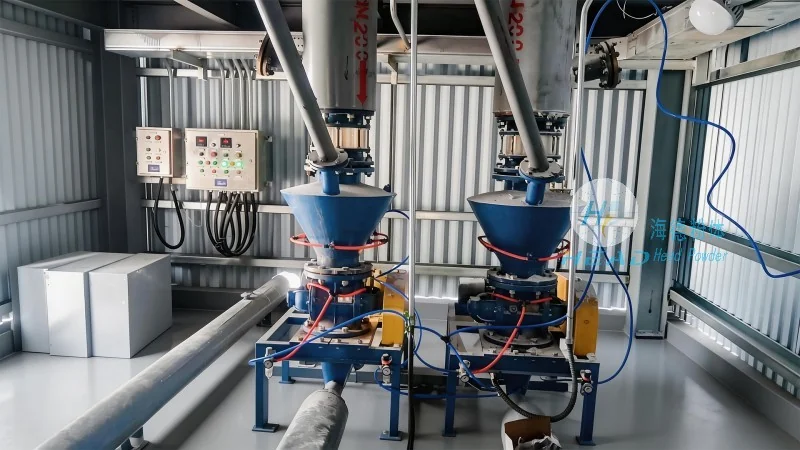
Polycarbonate pneumatic conveying systems are designed to transport bulk materials through a closed pipeline using compressed air or other gases. Unlike traditional mechanical conveyors, these systems utilize air pressure to move materials, offering advantages such as reduced maintenance, minimal product contamination, and the ability to handle sensitive or abrasive materials. The core components of a typical polycarbonate pneumatic conveying system include the hopper, conveyor line, airlock, and receiver. Each component plays a critical role in the overall functionality of the system.
Structural Components and Their Functions
The hopper serves as the initial storage and feeding unit, where materials are loaded before being introduced into the conveying line. It is typically equipped with a discharge valve or gate to control the flow of material into the system. The conveyor line, often made from polycarbonate or other durable materials, forms the main pathway for material transport. This line is designed to withstand the pressures and temperatures associated with pneumatic conveying while maintaining structural integrity. The airlock, positioned at the discharge end of the conveyor line, acts as a valve to regulate the flow of material and prevent backflow. It ensures that material is discharged smoothly and efficiently into the receiver. The receiver is the final storage container, where the conveyed material is collected for subsequent processing or use.
Working Principles of Pneumatic Conveying
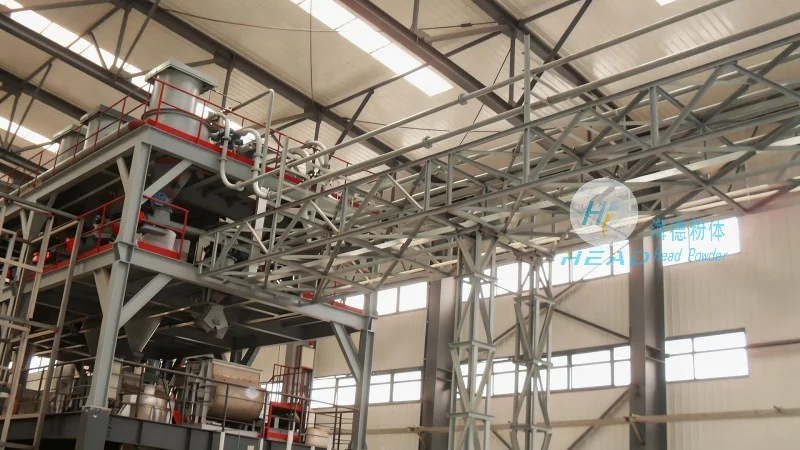
The operation of a polycarbonate pneumatic conveying system is based on the principle of air pressure differentials. Compressed air is introduced into the conveyor line, creating a pressure difference between the inlet and outlet. This pressure difference generates a flow of air that pulls the material from the hopper into the line. The material is then carried along the conveyor line by the moving air stream. The airlock and receiver work in tandem to control the flow of material and maintain system pressure. As material is discharged from the receiver, the system adjusts the air pressure to maintain a consistent flow rate. This dynamic adjustment ensures that the system operates efficiently and prevents clogging or other operational issues.
Advantages of Polycarbonate Pneumatic Conveying
Polycarbonate materials offer several advantages for pneumatic conveying systems, including high impact resistance, chemical resistance, and lightweight properties. These characteristics make polycarbonate an ideal choice for applications involving abrasive or corrosive materials. The systems are also designed to minimize product contamination, as the closed pipeline prevents exposure to external elements. Additionally, the compact design of these systems allows for easy integration into existing production lines, reducing installation time and costs.
Applications and Industry Use Cases
Polycarbonate pneumatic conveying systems are widely used in various industries, including pharmaceuticals, food processing, and chemical manufacturing. In the pharmaceutical industry, these systems are used to transport sensitive powders and granules, ensuring that the materials remain sterile and uncontaminated. In food processing, they are employed to handle ingredients such as flour, sugar, and spices, maintaining product quality and safety. The chemical industry utilizes these systems for transporting abrasive or corrosive materials, leveraging the durability of polycarbonate components to withstand harsh conditions.
Maintenance and Operational Considerations
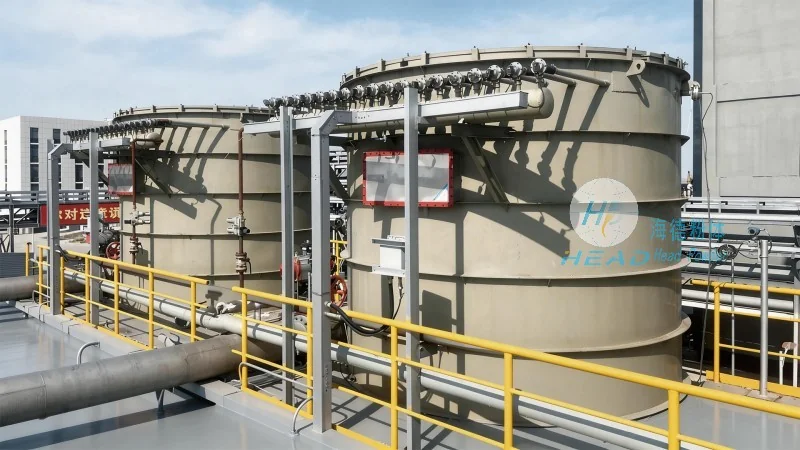
Proper maintenance is essential to ensure the longevity and efficiency of polycarbonate pneumatic conveying systems. Regular inspection of components, such as the hopper, conveyor line, and airlock, is necessary to identify and address any potential issues. Cleaning the system regularly helps prevent material buildup and ensures smooth operation. Additionally, monitoring air pressure and flow rates is crucial for maintaining optimal performance. By adhering to these maintenance practices, users can maximize the lifespan of their systems and minimize downtime.
Conclusion
Polycarbonate pneumatic conveying systems represent a reliable and efficient solution for material handling in various industries. The combination of advanced structural design and operational principles ensures that these systems can handle a wide range of materials with precision and minimal disruption. As a leader in this field, Shandong HeadPowder Engineering Co., Ltd. specializes in providing high-quality polycarbonate pneumatic conveying systems tailored to the specific needs of their clients. With a focus on durability, performance, and customer satisfaction, headpowder continues to be a trusted partner for businesses seeking effective material transport solutions.




