HeadPowder, a prominent enterprise headquartered in Shandong, China, is dedicated to the development and manufacturing of sophisticated pneumatic conveying solutions tailored for metal iron powder. This article offers a detailed exploration of the fundamental concepts, structural components, and operational principles underlying metal iron powder pneumatic conveying systems, highlighting the technical advancements and practical applications in industrial settings.
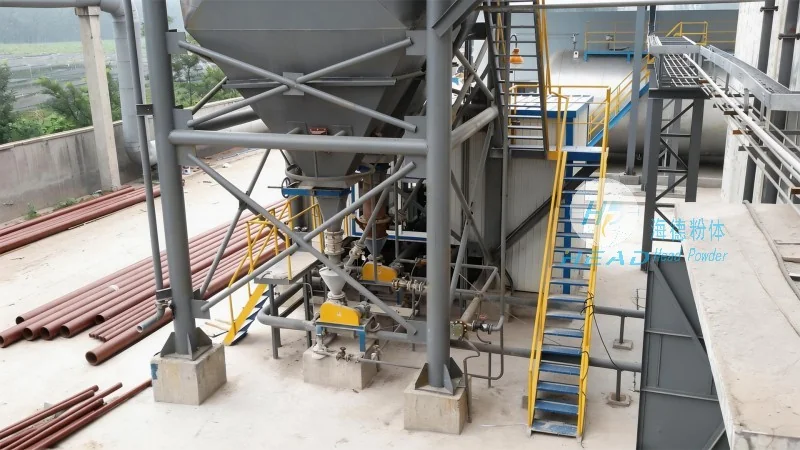
Key Structural Components of Pneumatic Conveying Systems for Metal Iron Powder
The core of a metal iron powder pneumatic conveying system consists of several critical components that work in tandem to ensure efficient material transport. The primary elements include the feeding unit, which introduces the iron powder into the system, the conveying pipeline that transports the material, the separation unit that separates the powder from the air, and the receiving container that collects the processed iron powder. Each component plays a vital role in maintaining the system's performance and reliability.
Functionality of the Feeding Unit
The feeding unit is responsible for introducing metal iron powder into the pneumatic conveying system. It typically consists of a hopper or a feeder that can handle various powder characteristics, such as particle size, moisture content, and flowability. For metal iron powder, which may have specific handling requirements due to its properties, the feeding unit is designed to minimize material degradation and ensure consistent feed rates. HeadPowder's feeding units are engineered with precision to accommodate different powder types, ensuring smooth and uninterrupted material introduction into the conveying pipeline.
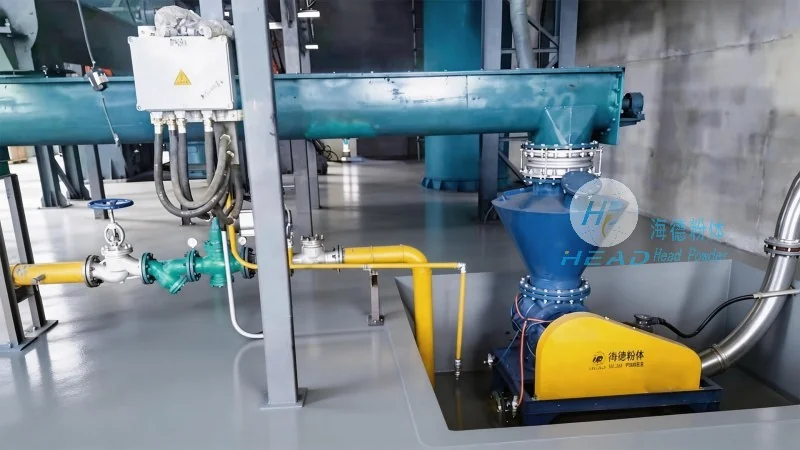
Conveying Pipeline and Air Flow Dynamics
The conveying pipeline is the central pathway through which metal iron powder is transported. It is usually made of materials resistant to corrosion and wear, such as stainless steel or specialized polymers, to withstand the abrasive nature of iron powder. The pipeline design considers factors like pressure drop, air velocity, and system length to optimize the conveying efficiency. The air flow dynamics within the pipeline are crucial; proper air velocity must be maintained to prevent particle deposition and ensure uniform material transport. HeadPowder's systems are equipped with advanced control mechanisms that regulate air pressure and flow rate, adapting to the specific characteristics of the metal iron powder being conveyed.
Separation Unit: Separating Powder from Air
The separation unit is a critical component that separates the metal iron powder from the conveying air. This unit typically operates on the principle of gravity or centrifugal force, where the heavier powder particles settle out of the air stream and are collected. Common separation technologies include cyclone separators, bag filters, or electrostatic precipitators. The choice of separation method depends on the particle size, density, and moisture content of the iron powder. HeadPowder's separation units are designed to achieve high efficiency, minimizing dust emissions and ensuring the purity of the collected iron powder. The system's design also considers the need for easy maintenance and cleaning to maintain operational performance.
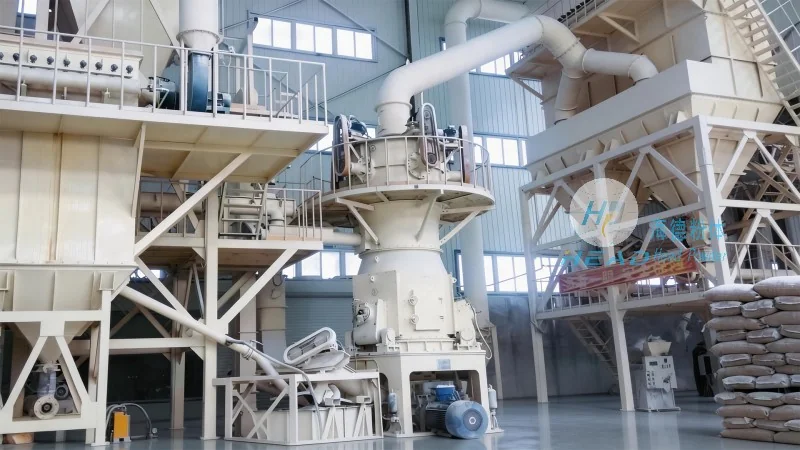
Receiving and Storage Systems
After the metal iron powder is separated from the air, it is collected in a receiving container. This container is designed to handle the volume and characteristics of the conveyed powder, ensuring stable storage without caking or agglomeration. The receiving system may include features like a hopper with a discharge valve or a silo with a bottom outlet, depending on the application requirements. HeadPowder's receiving systems are engineered to provide reliable storage and discharge capabilities, ensuring that the metal iron powder is ready for subsequent processing or use. The design emphasizes durability and compatibility with the material's properties to prevent contamination or degradation.
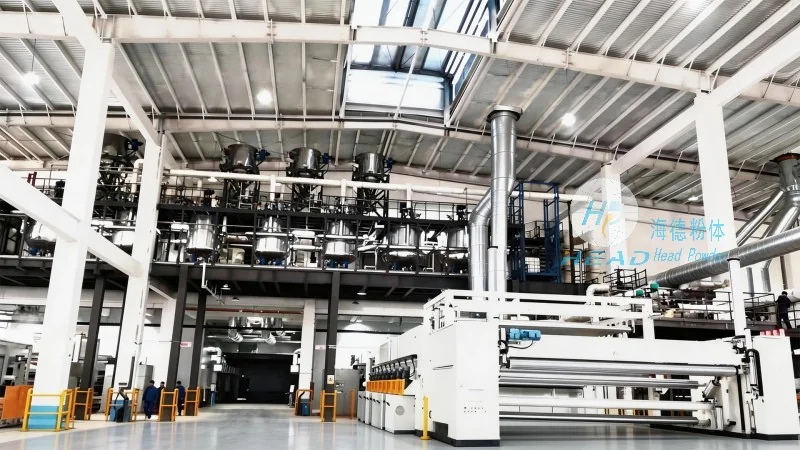
Control and Monitoring Systems
Modern metal iron powder pneumatic conveying systems are equipped with advanced control and monitoring systems to optimize performance and ensure safety. These systems include sensors for measuring pressure, flow rate, and temperature, as well as control panels that allow operators to adjust system parameters in real-time. The control systems help maintain consistent conveying rates, prevent system overloads, and detect potential issues before they lead to failures. HeadPowder integrates state-of-the-art control technologies into its systems, enabling precise management of the pneumatic conveying process. This not only enhances operational efficiency but also reduces downtime and maintenance costs.
Applications and Benefits of Metal Iron Powder Pneumatic Conveying
Metal iron powder pneumatic conveying systems find wide applications in various industries, including metallurgy, chemical processing, and manufacturing. The primary benefits of using pneumatic conveying for metal iron powder include improved material handling efficiency, reduced labor costs, and enhanced safety compared to traditional methods like bucket elevators or belt conveyors. The systems also minimize material contamination and degradation, which is crucial for high-purity applications. HeadPowder's solutions are tailored to meet the specific needs of different industries, providing customized pneumatic conveying systems that enhance productivity and product quality.




