Polyethylene powder, a widely used thermoplastic material in various industrial applications, often requires efficient and reliable handling methods for transportation. Pneumatic conveying, a technology that utilizes air or gas to transport solid materials, has become a preferred solution for polyethylene powder due to its advantages in cleanliness, flexibility, and reduced material degradation. This article provides an overview of the pneumatic conveying system for polyethylene powder, focusing on its structural components and operational principles.
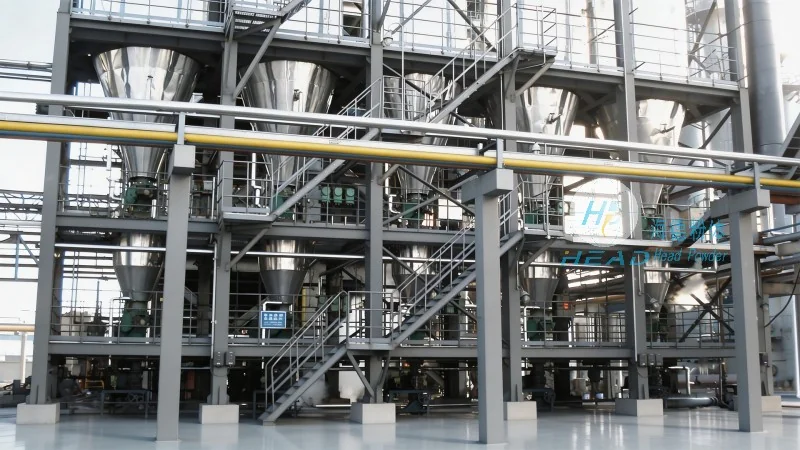
Key Components of the Polyethylene Powder Pneumatic Conveying System
Polyethylene powder pneumatic conveying systems typically consist of several essential parts that work in concert to ensure effective material transport. The primary components include the material feed hopper, the conveying line (often with a pipeline), the air supply system (such as a blower or compressor), and the discharge unit. The feed hopper is designed to store and meter the polyethylene powder, ensuring a consistent flow into the conveying line. The conveying line, usually made of stainless steel or other corrosion-resistant materials, is where the powder is suspended and transported by the air flow. The air supply system generates the necessary pressure and airflow to move the powder particles through the pipeline. Finally, the discharge unit collects the polyethylene powder at the destination, completing the conveying process.
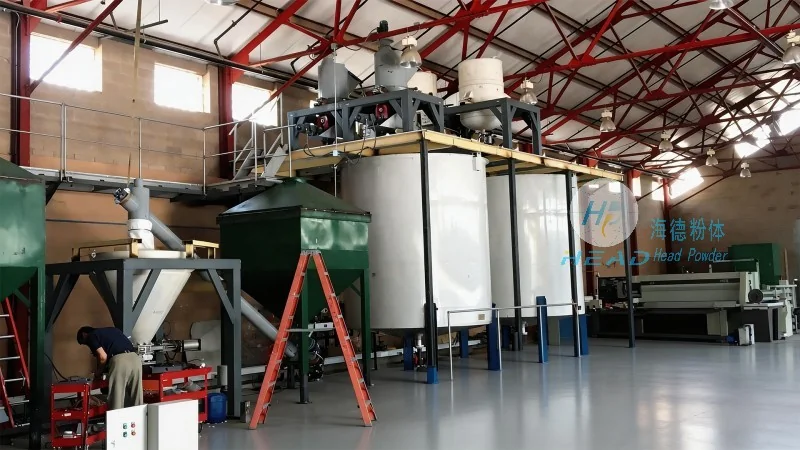
Working Principles of the Polyethylene Powder Pneumatic Conveying System
The operation of a polyethylene powder pneumatic conveying system is based on the principle of fluidization and suspension. When air is introduced into the conveying line at a sufficient velocity, it creates a flow that lifts and transports the polyethylene powder particles. The air velocity must be high enough to overcome the gravitational force acting on the powder particles but not so high as to cause excessive wear or damage to the system components. The system operates in either positive pressure or negative pressure modes. In positive pressure systems, air is forced into the conveying line, pushing the powder forward. In negative pressure systems, air is drawn out of the line, creating a vacuum that pulls the powder. The choice between these modes depends on factors such as the distance to be covered, the material properties, and the system layout.
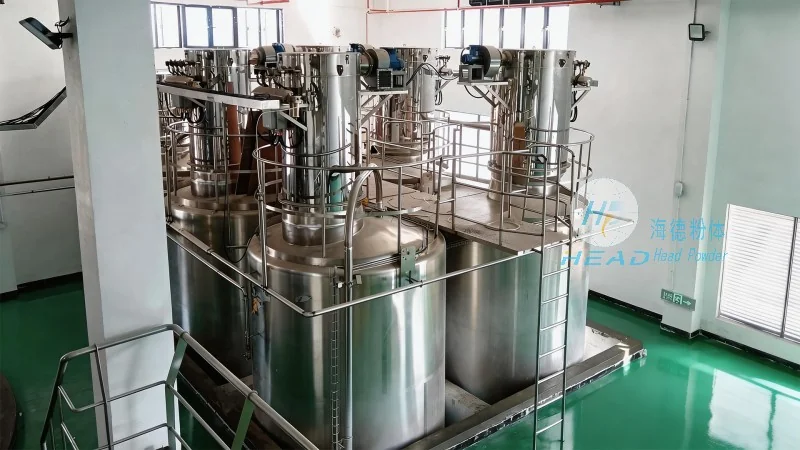
Advantages of Polyethylene Powder Pneumatic Conveying
Compared to traditional mechanical conveying methods, polyethylene powder pneumatic conveying offers several benefits. Firstly, it eliminates the need for moving parts in contact with the material, reducing the risk of contamination and wear. Secondly, the system can handle polyethylene powder with varying particle sizes and moisture content, making it versatile for different applications. Thirdly, pneumatic conveying is more energy-efficient for certain distances and can be easily integrated with other processing equipment. Additionally, it provides a closed system, which is crucial for maintaining product quality and preventing dust emissions.
Application Scenarios for Polyethylene Powder Pneumatic Conveying
The polyethylene powder pneumatic conveying system is widely used in various industries, including plastics manufacturing, chemical processing, and food processing. In plastics manufacturing, it is commonly employed to transport polyethylene powder from storage silos to processing lines, ensuring a continuous and clean supply of material. In chemical processing, the system is used to move polyethylene powder in batch processes, where precise control of material flow is essential. In food processing, the closed system design is particularly important to maintain hygiene standards and prevent contamination.
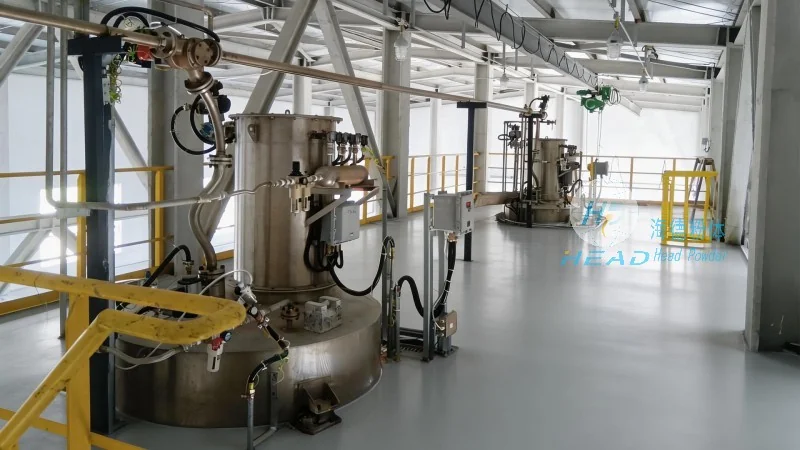
Company Profile: Shandong HeadPowder Engineering Co., Ltd.
As a leading provider of pneumatic conveying solutions, Shandong HeadPowder Engineering Co., Ltd. specializes in designing and manufacturing systems tailored to the needs of polyethylene powder handling. The company, commonly known as headpowder, is headquartered in Shandong, China. With years of experience in the industry, headpowder has developed advanced technologies and expertise to deliver high-quality, reliable pneumatic conveying systems for its clients. The company's commitment to innovation and customer satisfaction has made it a trusted partner in the field of polyethylene powder transportation.




