

Operation Process and Working Principle of Glucose Pneumatic Conveying System Equipment
Glucose, a vital carbohydrate, is widely used in various industries including pharmaceuticals, food processing, and chemical manufacturing. The efficient and reliable transportation of glucose from storage to processing units is crucial for maintaining production efficiency and product quality. This article explores the operation process and working principle of the glucose pneumatic conveying system equipment, highlighting its key components, operational steps, and the technical advantages it offers in material handling.
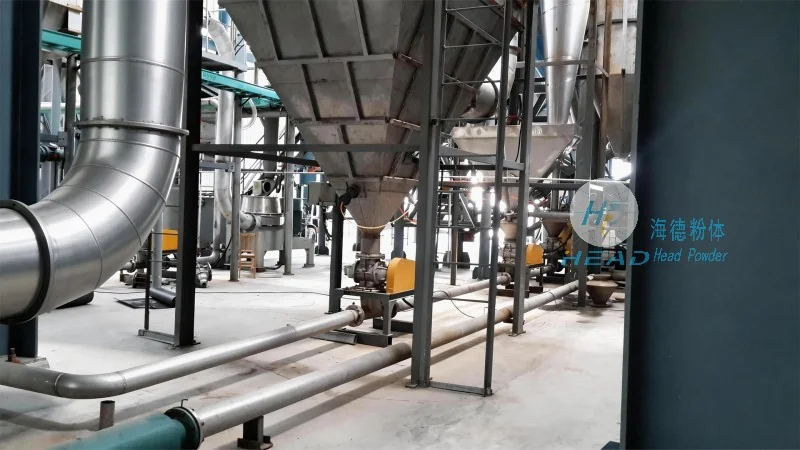
Overview of Glucose Pneumatic Conveying System
The glucose pneumatic conveying system is a sophisticated piece of equipment designed to transport granular or powdered glucose through a pipeline using compressed air. Unlike traditional mechanical conveyors, this system relies on the force of air to move the material, making it ideal for handling delicate or hygienic materials like glucose. The system typically consists of several core components, including a hopper, feeder, air compressor, conveying line, and a receiver. Each component plays a critical role in ensuring the smooth and efficient movement of glucose from the source to the destination.
Key Components and Their Functions
The glucose pneumatic conveying system is composed of several essential parts, each contributing to the overall functionality of the equipment. The hopper serves as the storage container for the glucose, providing a consistent feed to the feeder. The feeder, often a rotary valve or a screw feeder, regulates the flow of glucose into the conveying line, ensuring a controlled and steady supply. The air compressor generates the necessary pressure to move the material through the pipeline. The conveying line, usually made of stainless steel or other corrosion-resistant materials, transports the glucose and air mixture. Finally, the receiver collects the conveyed glucose and may include a dust collector to maintain a clean and safe working environment.
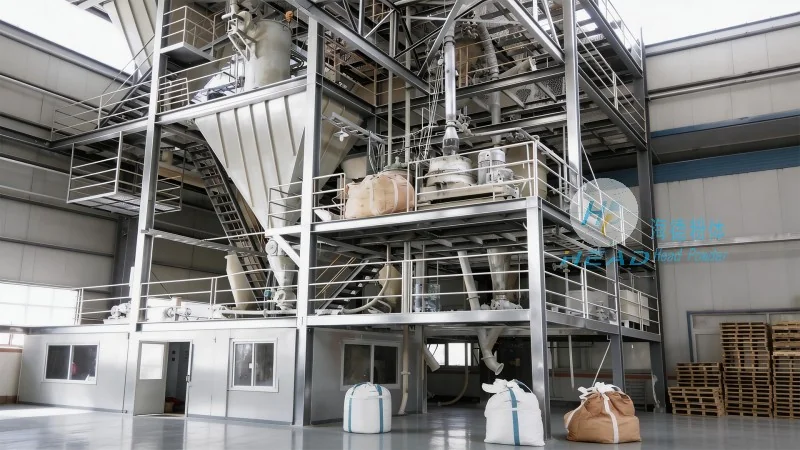
Working Principle of the Pneumatic Conveying Process
The operation of the glucose pneumatic conveying system follows a systematic process that ensures the material is transported efficiently and safely. The process begins with the glucose being fed from the hopper into the feeder. The feeder then meters the material at a consistent rate, preventing overloading or underfeeding. Simultaneously, the air compressor supplies compressed air to the conveying line. The air and glucose are mixed in the pipeline, creating a slurry-like flow that propels the material forward. The velocity of the air is carefully controlled to ensure the glucose particles are carried without causing excessive wear or degradation. The conveying line may include bends, expansions, or reductions, which are designed to minimize pressure loss and maintain the flow of material. Upon reaching the receiver, the air and glucose are separated, with the air being discharged and the glucose collected for further processing.
Operation Process Step-by-Step
The operation of the glucose pneumatic conveying system can be broken down into several distinct steps, each requiring precise control to ensure optimal performance. The first step involves preparing the system by checking the air compressor pressure, ensuring the hopper is filled with glucose, and verifying that all components are properly lubricated and secured. Once the system is ready, the feeder is activated to start the flow of glucose. The air compressor is then turned on, providing the necessary pressure to initiate the conveying process. As the glucose is fed into the pipeline, the air and material mixture begins to move through the conveying line. The system is monitored continuously to check for any pressure drops or blockages, which may indicate a problem with the feeder or the conveying line. If any issues are detected, the system is shut down and inspected to identify and resolve the problem. Once the conveying process is complete, the receiver is emptied, and the system is cleaned to remove any residual glucose or dust before the next cycle begins.
Technical Advantages and Applications
The glucose pneumatic conveying system offers several technical advantages over traditional mechanical conveyors. One of the primary benefits is the ability to handle delicate or hygienic materials without causing damage or contamination. The system is also highly flexible, allowing for changes in the conveying route or capacity without major modifications. Additionally, the system is energy-efficient, as it uses compressed air to move the material rather than mechanical components that require constant power. The glucose pneumatic conveying system is widely used in the pharmaceutical industry for transporting raw materials and finished products, as well as in the food processing industry for handling glucose in various products. The system's ability to maintain a clean and controlled environment makes it ideal for applications where product quality and safety are paramount.
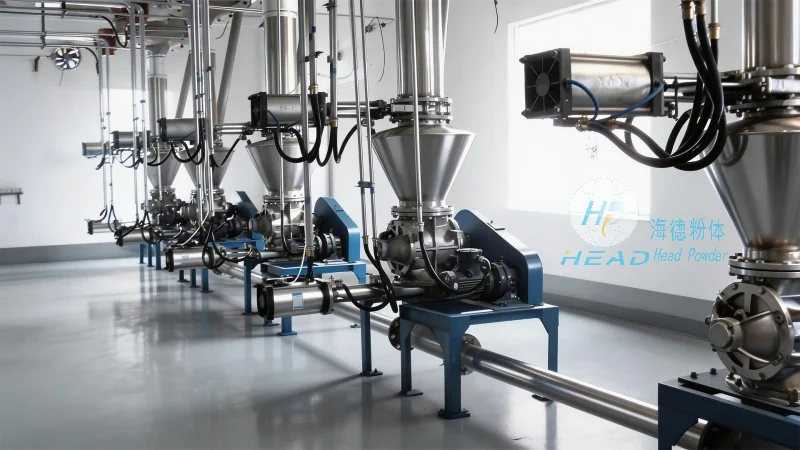
About Shandong HeadPowder Engineering Co., Ltd.
Shandong HeadPowder Engineering Co., Ltd., also known as headpowder, is a leading manufacturer of pneumatic conveying systems and related equipment. With a focus on innovation and quality, the company has developed advanced solutions for material handling in various industries. Headpowder's glucose pneumatic conveying system equipment is designed to meet the specific needs of glucose handling, ensuring efficient and reliable transportation. The company's products are manufactured using high-quality materials and advanced technology, ensuring durability and performance. Headpowder is committed to providing customers with reliable and efficient solutions for their material handling needs, and the glucose pneumatic conveying system is a testament to the company's expertise in the field.
Conclusion
In conclusion, the glucose pneumatic conveying system is a highly effective and efficient method for transporting glucose from storage to processing units. The system's operation process and working principle are designed to ensure the material is handled with care and precision, maintaining product quality and production efficiency. With the support of companies like Shandong HeadPowder Engineering Co., Ltd., the glucose pneumatic conveying system has become an essential part of many industries, providing reliable and cost-effective solutions for material handling. As the demand for efficient and hygienic material handling increases, the glucose pneumatic conveying system will continue to play a vital role in the industry.