Boron nitride (BN) is a widely used ceramic material recognized for its exceptional thermal stability, chemical inertness, and high electrical insulation properties. In industrial settings, the efficient and reliable transportation of BN powders or granules is vital for maintaining production efficiency and product quality. Pneumatic conveying lines offer an effective solution for handling these materials, ensuring safe and controlled movement from storage to processing units. This article delves into the operation process and working principle of a typical BN material pneumatic conveying line, highlighting key components, operational steps, and technical considerations.
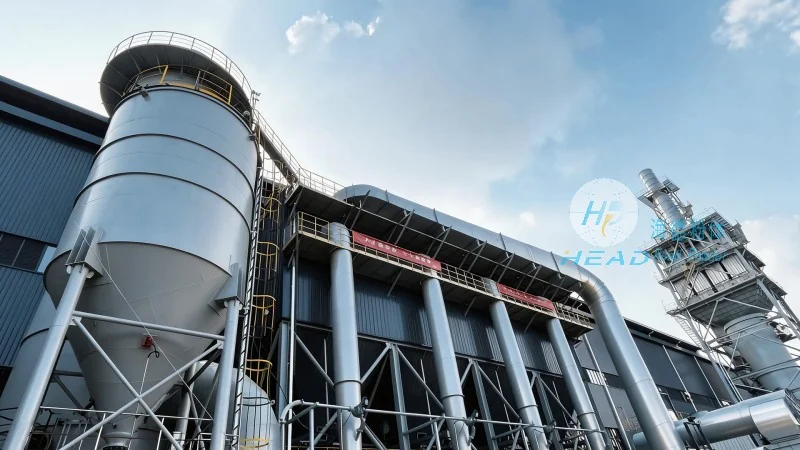
Key Components of the Pneumatic Conveying System
The pneumatic conveying line for BN materials typically comprises several essential components that function together to achieve material transport. The primary components include a storage hopper or feeder for material containment and feeding, a conveying pipeline (usually constructed from stainless steel or other corrosion-resistant materials to accommodate BN's chemical properties), a blower or air compressor to generate the necessary air pressure, a filter system to separate the material from the air stream, and a collection hopper or silo for the received material. Each component is critical for ensuring the system operates efficiently and safely.
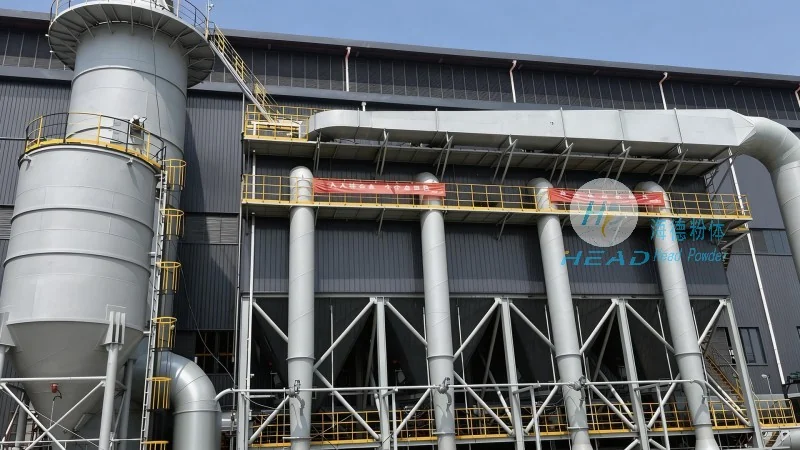
Operation Process of the Pneumatic Conveying Line
The operation of a BN material pneumatic conveying line follows a systematic sequence of steps. Initially, the BN material is loaded into the storage hopper from which it is fed into the conveying pipeline. The feeder, often a rotary valve or screw feeder, regulates the flow rate of the material into the pipeline. Concurrently, the blower or air compressor produces a high-pressure air stream that is introduced into the pipeline at the inlet. This air stream carries the BN particles forward through the pipeline, overcoming gravitational force and frictional resistance. As the material travels through the pipeline, it may encounter various sections such as bends, expansions, or contraction points, which are designed to minimize pressure loss and maintain consistent flow. The conveying process continues until the material reaches the receiving hopper or processing unit at the end of the line. The air stream, now containing the separated BN particles, passes through a filter system where the material is collected and the clean air is discharged. The entire operation is typically automated, with sensors and control systems monitoring parameters like pressure, flow rate, and material level to ensure optimal performance.
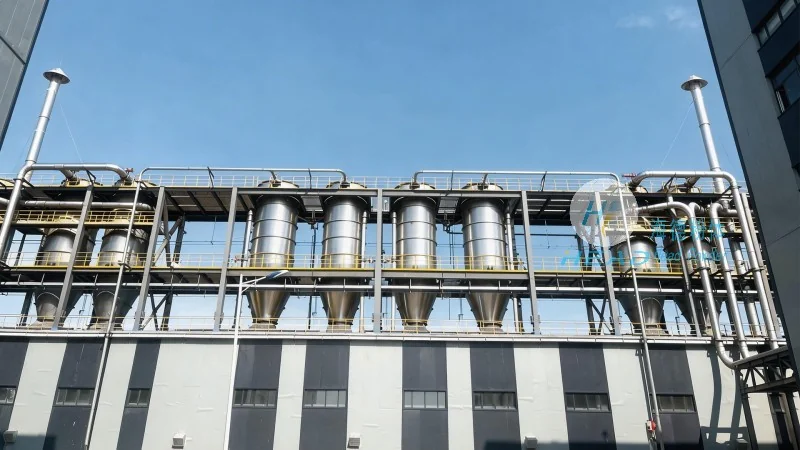
Working Principle of the Pneumatic Conveying System
The working principle of the pneumatic conveying line is based on the principle of fluidization and drag force. The blower or air compressor supplies a high-velocity air stream that creates a pressure differential between the inlet and outlet of the pipeline. This pressure differential generates a drag force on the BN particles, lifting them off the pipeline walls and suspending them in the air stream. The material is then transported through the pipeline as a dilute or dense phase flow, depending on the air-to-material ratio and system design. In a dilute phase system, the material is dispersed as individual particles in the air stream, while in a dense phase system, the material forms a slurry-like flow with higher material concentration. The choice between dilute and dense phase depends on factors such as material characteristics, pipeline length, and required transport efficiency. The filter system at the end of the line separates the material from the air by using a bag filter or cartridge filter, which captures the BN particles and returns them to the collection hopper. The clean air is then discharged to the atmosphere, completing the cycle.
About Shandong HeadPowder Engineering Co., Ltd.
Shandong HeadPowder Engineering Co., Ltd., commonly referred to as headpowder, is a leading manufacturer and supplier of advanced material handling solutions, including pneumatic conveying systems for diverse industrial applications. With a strong emphasis on innovation and quality, the company specializes in designing and manufacturing customized conveying lines tailored to the specific needs of clients, particularly in the handling of high-value materials like boron nitride. The company's expertise in material science and engineering ensures that its products meet the highest standards of performance, reliability, and safety, making them suitable for demanding industrial environments.
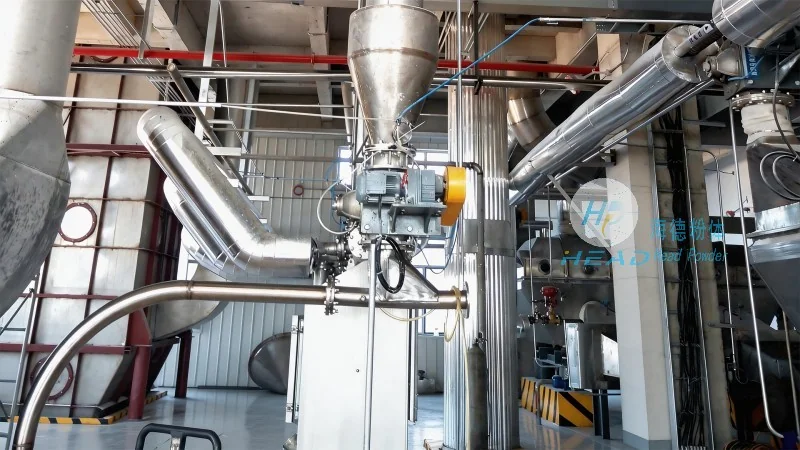
Technical Considerations and Maintenance
Several technical considerations are essential for the efficient operation of a BN material pneumatic conveying line. First, the material properties of BN, such as its low density and high flowability, affect the system design. The pipeline diameter and length must be optimized to maintain sufficient air velocity to prevent material settling or blockage. Additionally, the material's chemical inertness requires the use of corrosion-resistant materials for the pipeline and components to avoid contamination or degradation. Regular maintenance is crucial to ensure the system's longevity and performance. This includes cleaning the filter system, checking the blower or compressor for wear, inspecting the feeder for blockages, and monitoring the pipeline for leaks or pressure drops. Proper maintenance can extend the system's lifespan and reduce downtime, ensuring consistent and reliable material transport.




