HeadPowder, a leading engineering company based in Shandong, China, specializes in the design, manufacturing, and installation of advanced pneumatic conveying systems tailored for handling silicomanganese materials. This article provides a detailed overview of the operation process and working principles of such systems, highlighting the technical aspects and practical applications that ensure efficient material transport in industrial settings.
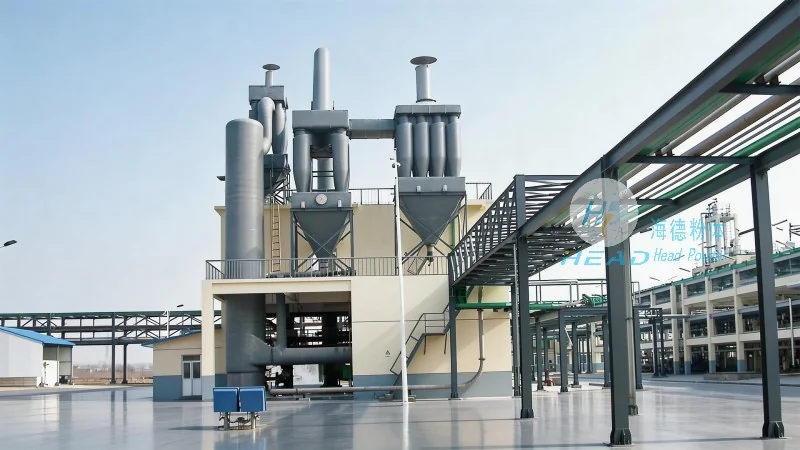
Understanding Pneumatic Conveying Systems for Silicomanganese
Silicomanganese is a critical alloy used in steel production, and its handling requires specialized equipment to maintain material integrity and operational efficiency. Pneumatic conveying lines offer a non-contact, dust-free method for transporting silicomanganese from storage silos to processing units, such as furnaces or reactors. The system operates by using compressed air or gas to create a flow that propels the material through a network of pipes, ensuring minimal wear and reduced contamination compared to traditional mechanical conveyors.
The Core Components and Their Functions
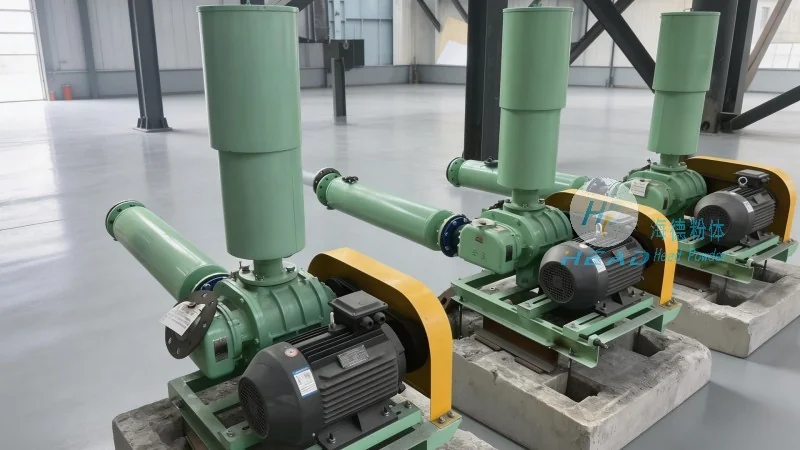
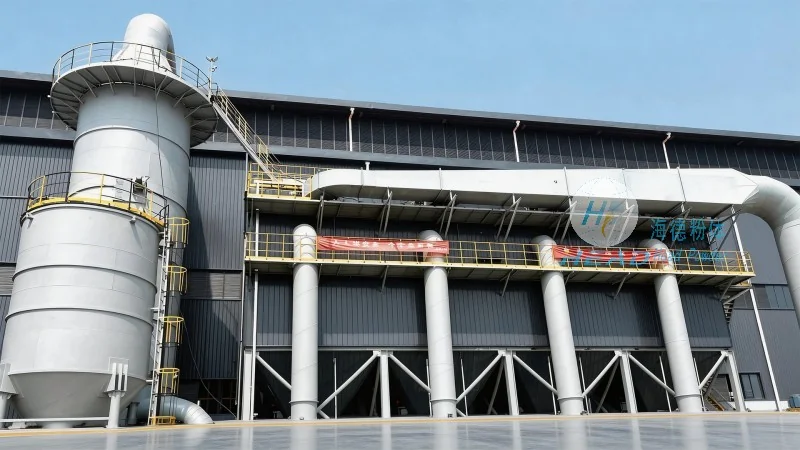
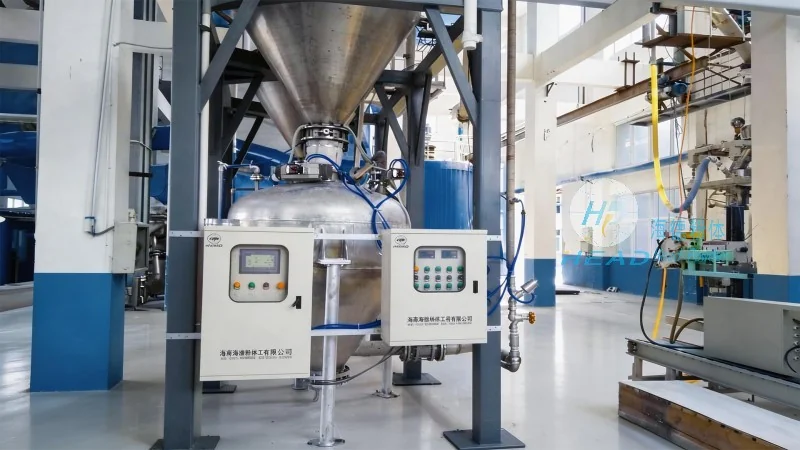
The silicomanganese pneumatic conveying line typically consists of several key components, each playing a vital role in the overall system performance. These include the material hopper, which stores the silicomanganese and feeds it into the conveying line; the air compressor or blower, which generates the necessary pressure to move the material; the conveying pipes, which form the main transport pathway; and the control system, which regulates the flow rate and pressure to maintain optimal operation. Additionally, the system may incorporate filters and cyclones to separate the material from the air, ensuring that the conveyed silicomanganese remains clean and free from dust or debris.
Operation Process: Step-by-Step Breakdown
The operation of a silicomanganese pneumatic conveying line involves a series of coordinated steps to ensure smooth material transport. First, the silicomanganese is loaded into the material hopper from a storage silo. The hopper is equipped with a feeder mechanism, such as a rotary valve or a screw feeder, which controls the flow rate of the material into the conveying line. Simultaneously, the air compressor starts and generates compressed air, which is directed into the conveying pipes. The compressed air creates a pressure differential that draws the silicomanganese particles into the air stream, forming a dense phase flow. As the material travels through the pipes, it is propelled to the destination point, such as a furnace or a processing unit. The system may include intermediate points, such as expansion joints or bends, which are designed to accommodate changes in direction or elevation without disrupting the flow. Finally, the material is discharged from the conveying line into the receiving hopper or unit, and the air is filtered and recycled back to the compressor.
Working Principle: How the System Transfers Silicomanganese
The working principle of the silicomanganese pneumatic conveying line is based on the principle of fluidization and drag. The compressed air creates a turbulent flow within the conveying pipes, which lifts the silicomanganese particles and transports them along the pipe. The velocity of the air stream is carefully controlled to ensure that the material remains suspended in the air without settling or causing blockages. The system operates in either dense phase or dilute phase mode, depending on the material characteristics and the required transport distance. Dense phase conveying is used for longer distances or when the material is prone to settling, as it maintains a higher concentration of material in the air stream, reducing the risk of clogging. Dilute phase conveying is suitable for shorter distances or when the material is less prone to settling, as it uses a lower air velocity and a higher air-to-material ratio.
Advantages of Silicomanganese Pneumatic Conveying Lines
Compared to traditional mechanical conveyors, silicomanganese pneumatic conveying lines offer several advantages that make them ideal for industrial applications. First, they are non-contact, which means that the material is not exposed to wear or abrasion from mechanical parts, preserving its quality and reducing maintenance costs. Second, they are dust-free, which improves workplace safety and reduces the risk of contamination. Third, they are flexible and can be easily modified to accommodate changes in production requirements or layout. Fourth, they are energy-efficient, as the compressed air can be recycled and reused, reducing energy consumption. Finally, they are reliable and require minimal maintenance, ensuring consistent operation and high availability.
Application Examples and Case Studies
Silicomanganese pneumatic conveying lines are widely used in various industrial applications, including steel production, foundries, and chemical processing. For example, in a steel mill, the system may be used to transport silicomanganese from a storage silo to a blast furnace, where it is used as a deoxidizer and alloying agent. In a foundry, the system may be used to transport silicomanganese to a melting furnace, where it is added to the molten metal to improve its properties. In a chemical processing plant, the system may be used to transport silicomanganese to a reactor, where it is used as a catalyst or raw material. These applications demonstrate the versatility and effectiveness of silicomanganese pneumatic conveying lines in various industrial settings.
Conclusion: The Role of HeadPowder in Silicomanganese Conveying Solutions
HeadPowder, with its expertise in engineering and manufacturing, provides high-quality silicomanganese pneumatic conveying lines that meet the specific needs of industrial clients. By leveraging advanced technology and rigorous quality control, HeadPowder ensures that its systems are reliable, efficient, and tailored to the unique requirements of each project. Whether for steel production, foundries, or chemical processing, HeadPowder's pneumatic conveying lines offer a cost-effective and sustainable solution for transporting silicomanganese materials. With its commitment to innovation and customer satisfaction, HeadPowder continues to be a leader in the field of material handling systems, providing solutions that enhance operational efficiency and improve product quality.




