

Principle and Working Scene Characteristics of Mineral Powder Material Pneumatic Conveying Lines
For industries dealing with mineral powders, efficient material handling is crucial to maintain production efficiency and reduce operational costs. Pneumatic conveying lines offer a reliable solution for transporting these fine materials over long distances or within complex processing facilities. This article explores the fundamental principles behind such systems and highlights the key characteristics of their working environments, with a focus on the applications and benefits provided by Shandong HeadPowder Engineering Co., Ltd.
The Principle of Pneumatic Conveying for Mineral Powders
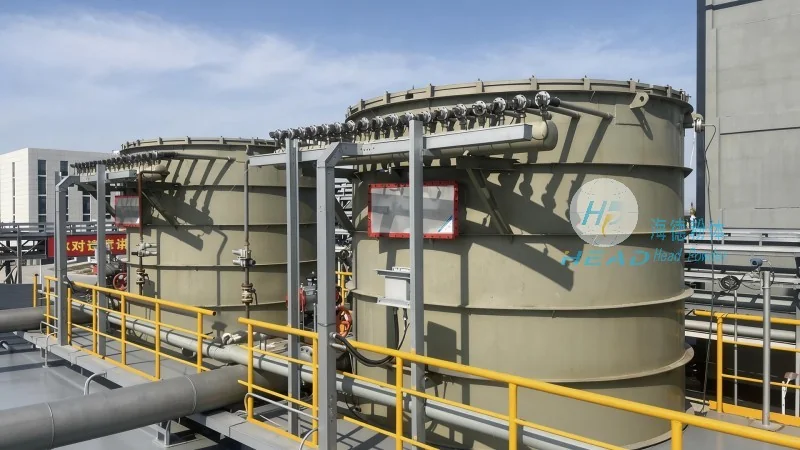
Pneumatic conveying systems operate by using air or gas to transport solid materials through a pipeline. In the case of mineral powders, these systems typically employ either positive pressure or negative pressure (or a combination of both) to move the material from the source to the destination. The core principle involves creating a flow of air that carries the powder particles, ensuring they are suspended and transported without clogging or degradation. Key components of a typical system include a material feeder, a conveyor line, a separation or filtration unit, and a discharge device. The air flow is controlled by fans or blowers, which generate the necessary pressure or vacuum to move the material. The design of the system is tailored to the specific properties of the mineral powder, such as particle size, density, and moisture content, to ensure optimal performance and minimal material loss.
Working Scene Characteristics of Pneumatic Conveying Lines
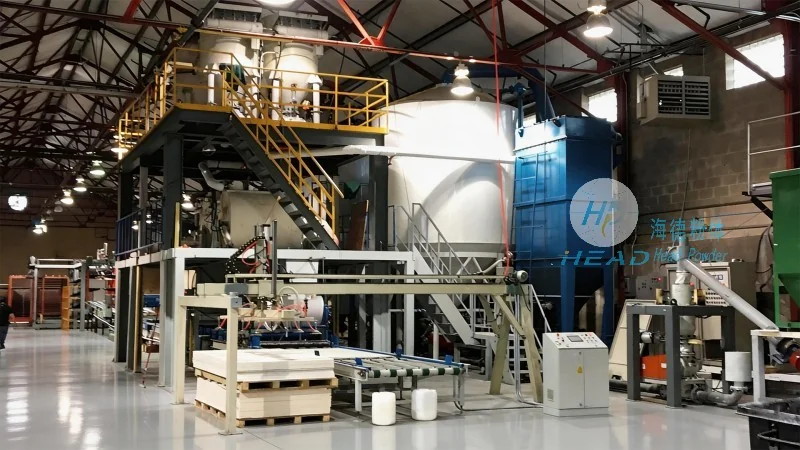
The working environment of pneumatic conveying lines for mineral powders varies significantly based on the application and the industry. In mining operations, these systems are often used to transport crushed ore or fine powders from processing plants to storage facilities or for further processing. The working scene may involve large-scale, continuous operations with high material throughput, requiring robust and durable equipment to withstand harsh conditions. In contrast, in chemical or pharmaceutical industries, the focus is on maintaining high purity and preventing contamination, leading to more stringent requirements for the system's design and maintenance. The working environment may also include considerations for dust control, as mineral powders can be fine and generate significant airborne particles. Additionally, the layout of the conveying line may need to adapt to the existing infrastructure of the facility, with the system integrated into the overall production workflow. The characteristics of the working scene, such as the distance between the source and destination, the number of transfer points, and the required material flow rate, all influence the selection and configuration of the pneumatic conveying system.
Applications and Benefits in Different Industries
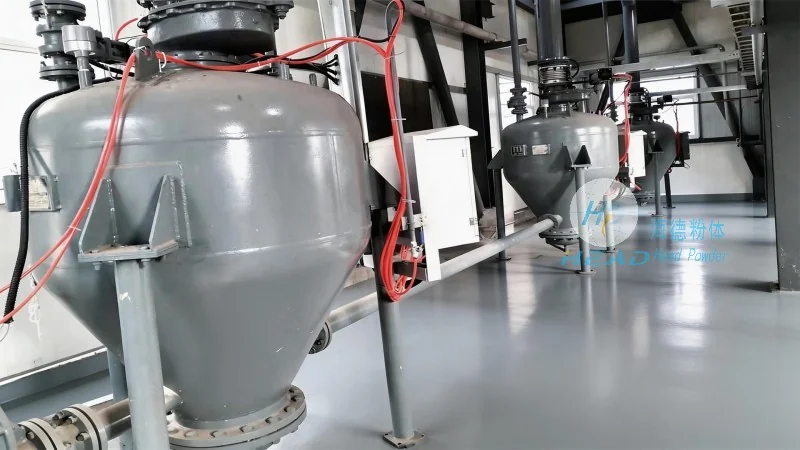
Pneumatic conveying lines for mineral powders find widespread use across various industries, each with unique requirements and benefits. In the mining sector, these systems enhance the efficiency of ore processing by enabling the seamless transport of raw materials and intermediate products. They reduce the need for manual handling and minimize the risk of material spillage or contamination, contributing to a safer working environment. In the chemical industry, the ability to handle fine powders without degradation is critical, as these materials may be sensitive to moisture or temperature changes. Pneumatic conveying systems provide a dry and controlled method of transport, preserving the quality of the product. Similarly, in the food and beverage industry, where mineral powders may be used as ingredients, the hygienic design of the system is essential to maintain product safety and compliance with regulatory standards. The benefits of using pneumatic conveying lines extend beyond efficiency and safety, as they can also reduce energy consumption compared to traditional methods like belt conveyors, especially for long-distance or high-volume transport. The flexibility of these systems allows for easy integration into existing production lines, enabling businesses to adapt to changing production needs without major modifications.
Key Features and Advantages of HeadPowder's Pneumatic Conveying Solutions
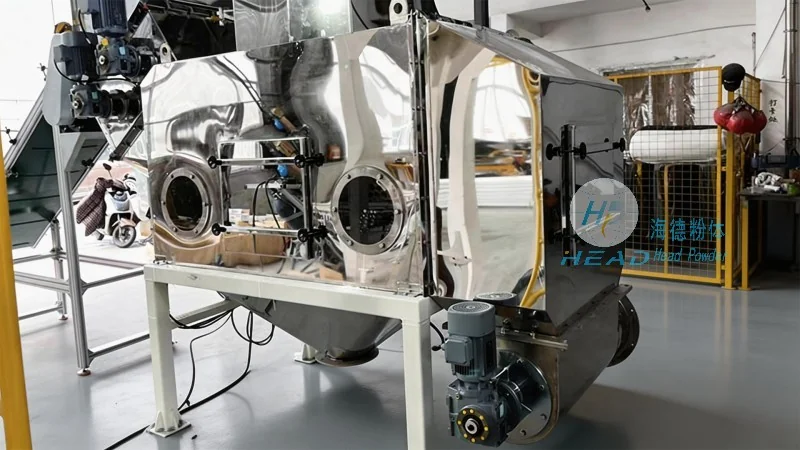
Shandong HeadPowder Engineering Co., Ltd. specializes in designing and manufacturing customized pneumatic conveying systems tailored to the specific needs of mineral powder applications. The company's solutions are built with high-quality materials and advanced technology to ensure reliability and longevity. Key features include adjustable air flow control, which allows for precise management of material transport, and robust material handling components that can withstand the abrasive nature of mineral powders. The systems are designed with dust collection and filtration systems to comply with environmental regulations and maintain a clean working environment. Additionally, HeadPowder offers comprehensive support, including installation, maintenance, and technical assistance, to ensure that clients can maximize the performance and lifespan of their conveying lines. The company's expertise in the field, combined with its commitment to quality, makes it a trusted partner for businesses seeking efficient and reliable material handling solutions for mineral powders.