

Operation Process and Working Principle of Lightweight Calcium Carbonate Pneumatic Conveying Systems
Lightweight calcium carbonate (LCC) is a widely used industrial material in various sectors, including plastics, paper, and coatings. The efficient and reliable transportation of LCC from storage to processing units is crucial for maintaining production efficiency and product quality. Pneumatic conveying systems have emerged as a preferred method for handling LCC due to their ability to transport powders in a closed system, minimizing dust emissions and ensuring product integrity. This article provides an in-depth look at the operation process and working principle of a lightweight calcium carbonate pneumatic conveying system, highlighting the key components and the role of Shandong HeadPowder Engineering Co., Ltd. in delivering advanced solutions for the industry.
Key Components of the Pneumatic Conveying System
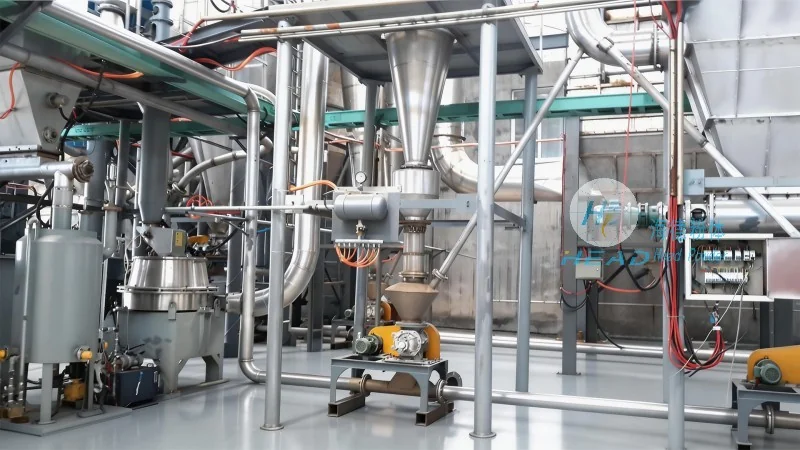
The pneumatic conveying system for lightweight calcium carbonate typically consists of several critical components that work in tandem to ensure smooth material transport. These components include a hopper or storage silo for material storage, a feeder to control the flow rate of LCC, a conveying line (usually made of stainless steel or other corrosion-resistant materials) to transport the material, a pressure vessel or receiver to collect the material at the destination, and a vacuum or pressure pump to generate the necessary airflow. The feeder is often a rotary valve or a screw feeder, which precisely regulates the amount of LCC released into the conveying line. The conveying line is designed with appropriate bends and elbows to maintain the flow of material without causing blockages or degradation. The pressure vessel or receiver is equipped with a discharge valve to allow the material to be discharged into the processing equipment. The pump, either a vacuum or positive pressure type, generates the airflow that propels the LCC particles through the system.
Working Principle of the Pneumatic Conveying System
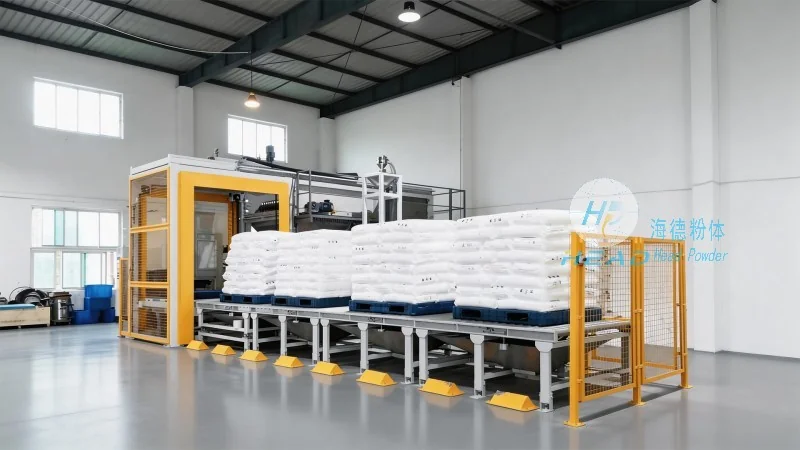
The working principle of a lightweight calcium carbonate pneumatic conveying system is based on the movement of air and the suspension of LCC particles in that air stream. In a positive pressure system, the pump generates high-pressure air that is introduced into the conveying line at the inlet. The LCC particles are then fed into the line, where they are suspended by the high-velocity air flow. The air and particles travel through the conveying line to the receiver, where the air is separated from the material and either recirculated or vented. In a vacuum system, the pump creates a low-pressure environment at the receiver, drawing the LCC particles from the hopper through the conveying line. The material is then deposited into the receiver as the air is drawn out. The key to efficient operation is maintaining the correct air velocity and pressure to ensure that the LCC particles remain suspended without settling or causing blockages. The system is designed to handle the specific properties of LCC, such as its low bulk density and fine particle size, which can affect the conveying characteristics.
Operation Process of the Lightweight Calcium Carbonate Pneumatic Conveying System
The operation process of the system begins with the loading of LCC into the storage hopper or silo. The feeder then starts to regulate the flow rate, ensuring a consistent supply of material into the conveying line. The pump is activated, generating the necessary airflow to transport the LCC particles. As the material is fed into the line, it is suspended by the air stream and moves towards the receiver. The system is equipped with sensors and controls to monitor the flow rate, pressure, and air velocity, allowing for real-time adjustments to maintain optimal performance. At the receiver, the material is collected and can be discharged into the processing equipment for further use. The system operates continuously, with the pump and feeder running as long as material is available. Regular maintenance is performed to ensure the system remains in good working condition, including cleaning of the conveying line, checking for leaks, and replacing worn parts. The operation process is designed to be efficient and reliable, minimizing downtime and maximizing production output.
Technical Advantages and Applications
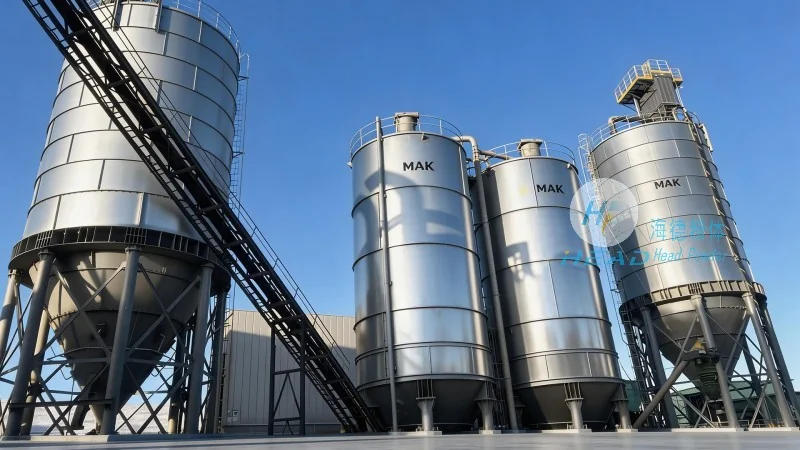
Shandong HeadPowder Engineering Co., Ltd. specializes in the design and manufacturing of pneumatic conveying systems tailored to the needs of the lightweight calcium carbonate industry. The company's systems offer several technical advantages, including high conveying efficiency, minimal product degradation, and reduced dust emissions. The use of corrosion-resistant materials ensures the longevity of the system, while the precise control of flow rates and air pressure maintains product quality. The systems are suitable for a wide range of applications, from small-scale operations to large industrial plants, and can be customized to meet specific requirements. The company's expertise in material handling and pneumatic conveying technology allows it to provide comprehensive solutions that address the unique challenges of LCC transportation. By leveraging advanced engineering and manufacturing capabilities, HeadPowder delivers systems that enhance productivity, improve safety, and reduce operational costs for its clients.