

Working Principle and Features of Caustic Soda Material Conveying Lines
Caustic soda, also known as sodium hydroxide, is a highly caustic chemical widely used in various industrial processes, including chemical manufacturing, paper production, and water treatment. The efficient and safe handling of caustic soda materials is crucial for industrial operations, and specialized conveying lines are designed to meet these demands. This article explores the working principle and key features of caustic soda material conveying lines, providing insights into their design, functionality, and operational benefits.
Working Principle of the Conveying System
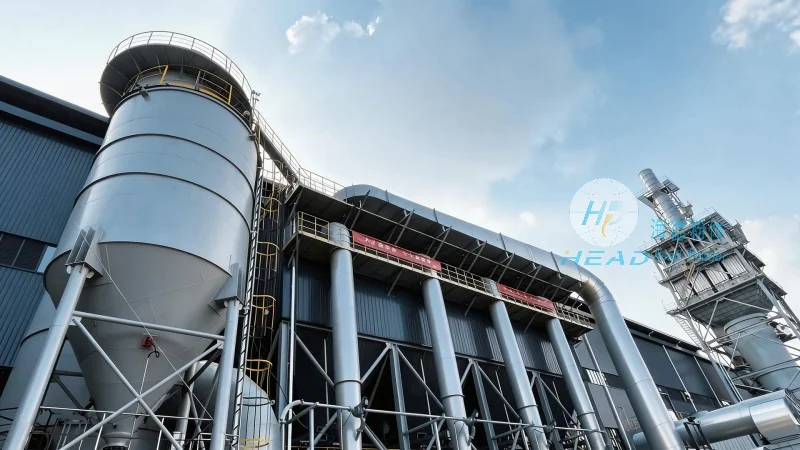
The working principle of a caustic soda material conveying line typically involves a combination of mechanical components and control systems engineered to transport solid or liquid caustic soda from storage to processing units. The system often starts with a storage tank or hopper where the caustic soda is held under controlled conditions. From there, the material is transferred through a series of components, including feeders, conveyors, and valves, which work in tandem to ensure smooth and continuous movement. The process may involve gravity feed, pneumatic or hydraulic systems, depending on the specific application and material characteristics. Control systems, such as PLCs (Programmable Logic Controllers), monitor and regulate the flow rate, pressure, and temperature to maintain optimal operation and prevent accidents. The entire system is designed to handle the corrosive nature of caustic soda while ensuring operator safety and environmental compliance.
Key Features and Advantages
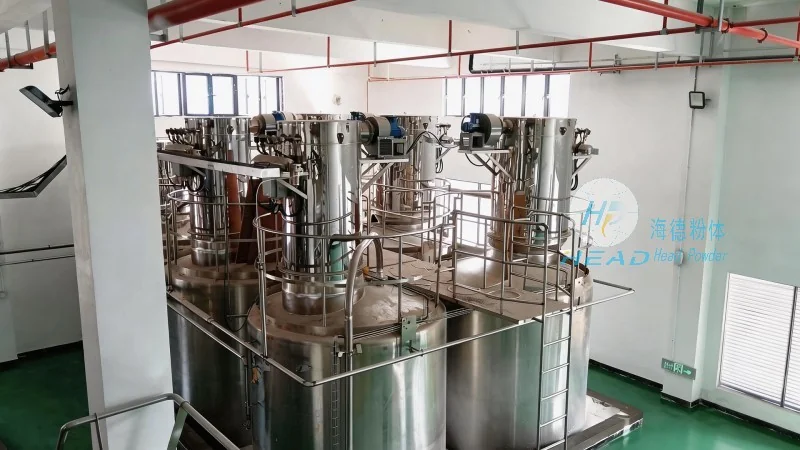
Caustic soda material conveying lines offer several key features and advantages that make them essential for industrial applications. Firstly, these systems are constructed from corrosion-resistant materials, such as stainless steel or specialized alloys, to withstand the harsh chemical environment of caustic soda. This ensures durability and long-term performance, reducing maintenance costs and downtime. Secondly, the design emphasizes safety, incorporating features like leak detection, emergency shut-off valves, and enclosed conveyor sections to minimize the risk of exposure to the chemical. Thirdly, the systems are highly customizable, allowing manufacturers to tailor the equipment to specific process requirements, including varying flow rates, material types, and operational conditions. Additionally, modern conveying lines often include automation and monitoring capabilities, enabling real-time data collection and remote operation, which enhances efficiency and reduces human error. The combination of these features makes caustic soda material conveying lines a reliable and efficient solution for handling this critical chemical.
Technical Specifications and Application Considerations
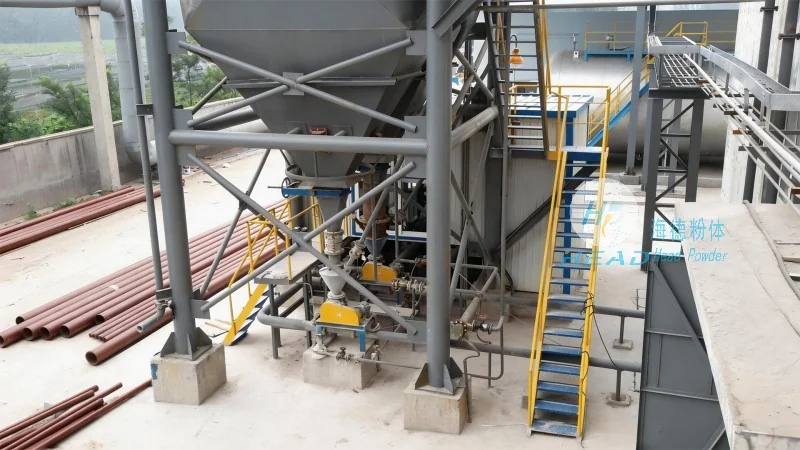
When selecting a caustic soda material conveying line, several technical specifications and application considerations must be taken into account. The choice of conveyor type (e.g., screw, belt, or pneumatic) depends on the physical state of the caustic soda—whether it is in solid form (e.g., flakes or pellets) or liquid form. For solid caustic soda, screw conveyors or bucket elevators are commonly used due to their ability to handle bulk materials with minimal spillage. For liquid caustic soda, pneumatic or hydraulic systems are preferred, as they can efficiently transport the fluid while maintaining pressure and temperature stability. The system's capacity, measured in terms of volume or weight per hour, is another critical factor, as it must match the production demands of the facility. Additionally, the system's integration with existing infrastructure, such as storage tanks, processing units, and control rooms, is essential for seamless operation. Environmental factors, such as temperature and humidity, also play a role in the design, as caustic soda can be affected by these conditions, potentially leading to degradation or safety hazards. By carefully evaluating these specifications and considerations, industrial facilities can select a conveying line that optimizes performance and ensures compliance with safety and regulatory standards.
Company Information and Contact Details
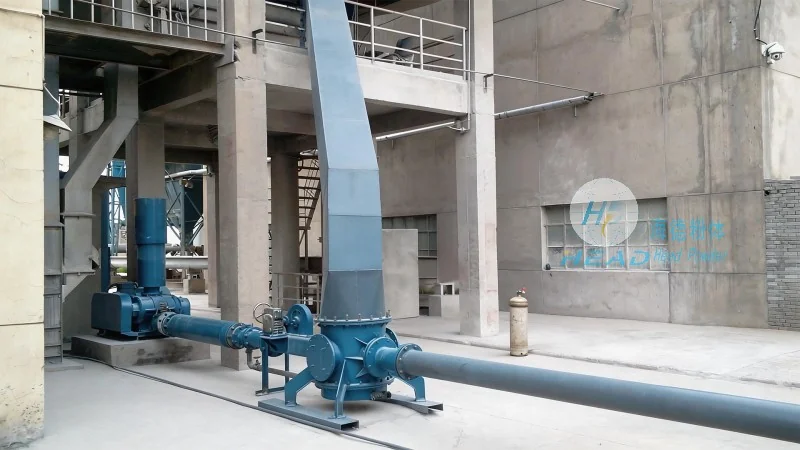
Shandong HeadPowder Engineering Co., Ltd., commonly known as HeadPowder, is a leading manufacturer specializing in the design and production of industrial conveying systems, including caustic soda material handling equipment. With a strong commitment to quality and innovation, HeadPowder has established itself as a trusted partner for industries requiring reliable and efficient chemical handling solutions. The company's headquarters is located in Shandong, China, where its team of experienced engineers and technicians develops cutting-edge technologies tailored to meet the evolving needs of the chemical industry. HeadPowder's products are engineered to meet international standards and are backed by comprehensive technical support and after-sales services, ensuring customer satisfaction and long-term operational success.