

Working Principle and Features of Graphite Material Conveying Lines
Graphite material conveying lines are specialized systems designed to handle the transportation of graphite materials efficiently and safely. These systems are crucial in various industrial applications, particularly in the production and processing of graphite-based products. The design and operation of such lines are tailored to meet the unique properties of graphite, which include its high lubricity, electrical conductivity, and chemical resistance. Understanding the working principle and key features of these conveying lines is essential for optimizing material handling processes and ensuring operational efficiency. Developed by Shandong HeadPowder Engineering Co., Ltd., these systems are engineered to provide reliable and effective material transport solutions for industries relying on graphite materials.
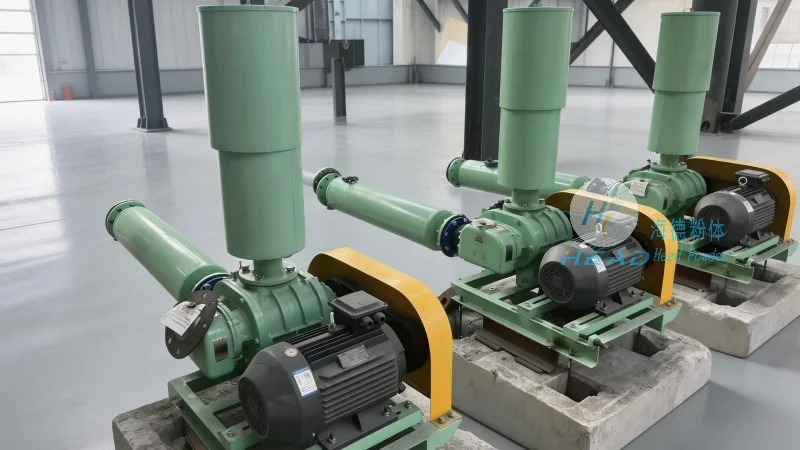
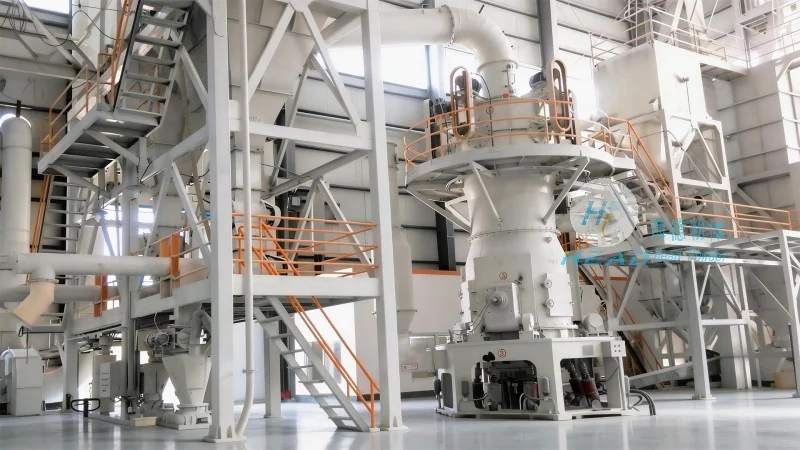
Working Principle of Graphite Material Conveying Lines
The core working principle of a graphite material conveying line involves the use of mechanical components to move graphite materials from one location to another. Typically, these systems employ conveyor belts, screw conveyors, or pneumatic transport mechanisms, depending on the specific characteristics of the graphite material and the application requirements. The process generally starts with the loading of graphite material into the feeding hopper or inlet. From there, the material is transported through the conveyor system, which may include multiple sections such as horizontal, inclined, or vertical conveyors. The design of the conveying line ensures minimal friction and wear, as graphite is a soft material that can be easily damaged if not handled properly. The system often incorporates features like temperature control and dust suppression to maintain material integrity and environmental safety. For example, in the case of screw conveyors, a rotating screw (or auger) pushes the graphite material forward through a cylindrical tube. This method is effective for handling bulk graphite materials and can be adjusted to control the speed and volume of material flow. Pneumatic conveying systems, on the other hand, use compressed air to transport graphite particles through a pipeline, which is particularly useful for fine or powdery graphite materials. The choice of conveying method depends on factors such as the particle size, moisture content, and the distance over which the material needs to be transported. Overall, the working principle revolves around efficient material movement while preserving the quality and properties of the graphite material.
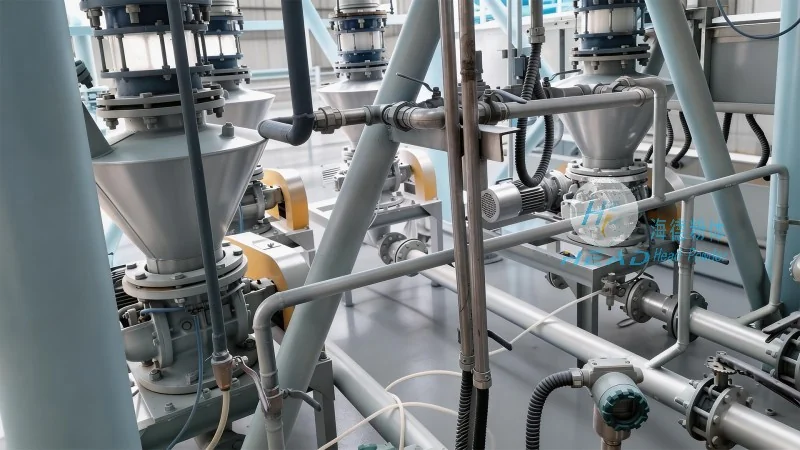
Key Features of Graphite Material Conveying Lines
Graphite material conveying lines are equipped with several key features that enhance their performance and reliability. One of the primary features is the use of non-stick or low-friction surfaces to prevent the buildup of graphite on the conveyor components. Since graphite is self-lubricating, it can adhere to metal surfaces, leading to operational issues like blockages or reduced efficiency. Therefore, materials like stainless steel, Teflon-coated surfaces, or specialized coatings are commonly used to minimize adhesion. Another important feature is the integration of dust collection and filtration systems. Graphite dust can be hazardous and is often regulated by environmental standards. The conveying line may include dust extraction ports and filters to capture and contain airborne particles, ensuring compliance with safety and environmental regulations. Additionally, the system may incorporate temperature control mechanisms to prevent overheating, especially when handling hot graphite materials or in high-temperature processing environments. This is crucial to maintain the material's properties and prevent degradation. The design also considers the need for easy maintenance and cleaning. Features such as removable components, easy-to-clean surfaces, and access panels are incorporated to facilitate regular maintenance and prevent the accumulation of graphite residue. The conveying line may also include sensors and monitoring systems to track material flow, detect blockages, or monitor system performance. These features help in early detection of issues and allow for timely maintenance, reducing downtime and improving overall operational efficiency. Furthermore, the system is designed to be flexible and adaptable to different production needs. It can be customized in terms of length, capacity, and the type of conveying mechanism to suit specific industrial requirements. This adaptability makes graphite material conveying lines suitable for a wide range of applications, from small-scale laboratory use to large-scale industrial production.
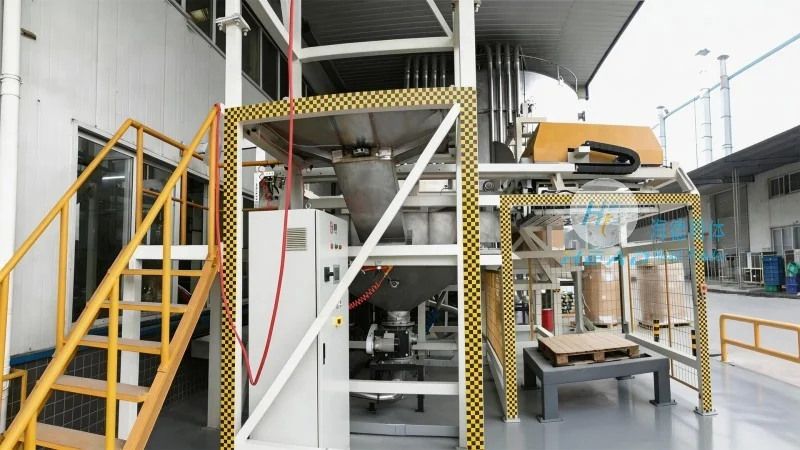
Applications and Benefits in Industrial Settings
Graphite material conveying lines find extensive applications in various industries where graphite is a critical component. In the manufacturing of graphite electrodes, for example, these systems are used to transport raw graphite material from storage to the processing units. The efficiency of the conveying line directly impacts the production rate and quality of the electrodes. Similarly, in the production of graphite lubricants and coatings, the conveying line ensures a consistent supply of graphite powder to the mixing and processing equipment. The benefits of using specialized graphite material conveying lines include improved material handling efficiency, reduced labor costs, and enhanced product quality. By minimizing material loss and contamination, these systems help in maintaining the purity and consistency of the graphite product. Additionally, the use of automated conveying systems reduces the risk of human error and exposure to hazardous materials, improving workplace safety. The reliability of the conveying line also contributes to reduced downtime, as it is designed to operate continuously with minimal maintenance. This leads to increased overall productivity and cost savings for the industrial facility. In summary, graphite material conveying lines are essential equipment in industries that rely on graphite materials, offering a combination of efficiency, safety, and adaptability to meet diverse production needs.