Principle and Working Scene Characteristics of Dry Manure Material Pneumatic Conveying Lines
Release time:2026-09-20 01:01:35
name of the company:Shandong Headpowder Engineering Co., Ltd.
telephone:156-6277-7102
contacts:Zhang manager
Understanding the operational principles and application scenarios of dry manure material pneumatic conveying lines is crucial for optimizing waste management in agricultural and livestock operations. This article delves into the technical aspects of such systems, highlighting their efficiency, environmental benefits, and practical implementation in real-world settings.
Principle of Dry Manure Material Pneumatic Conveying
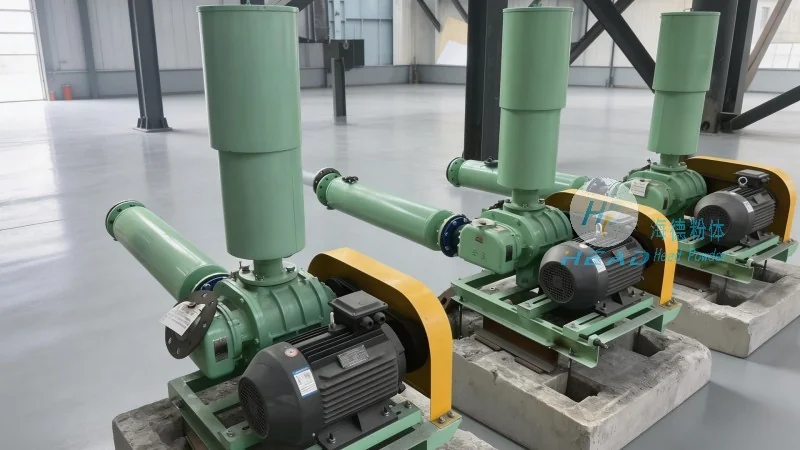
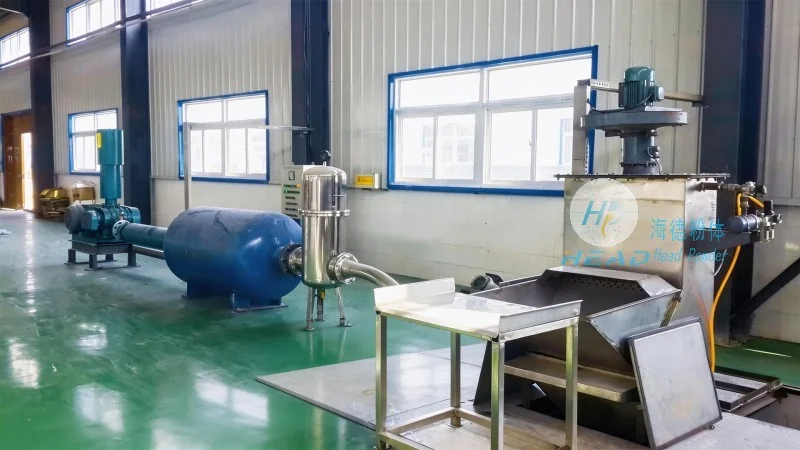
Dry manure material pneumatic conveying lines operate on the fundamental principle of transporting solid materials through a pipeline using a stream of air. The system typically employs either suction or pressure methods to move the material from the source to the disposal or processing point. In suction systems, a vacuum is created at the inlet to draw the material into the pipeline, while pressure systems use compressed air to push the material forward. Key components include a hopper for material storage, a rotary valve or feeder to control flow rate, a conveying pipe network, and a dust collector or filter to maintain air quality. The air velocity within the pipe is critical; it must be sufficient to overcome gravitational and frictional forces acting on dry manure particles, ensuring stable and continuous transport. This technology eliminates mechanical components like belts or augers, reducing maintenance and wear.
Working Scene Characteristics of Dry Manure Pneumatic Conveying Lines
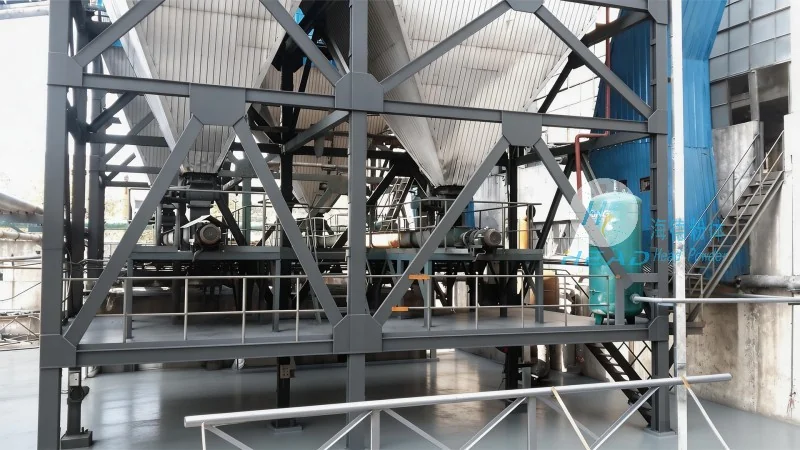
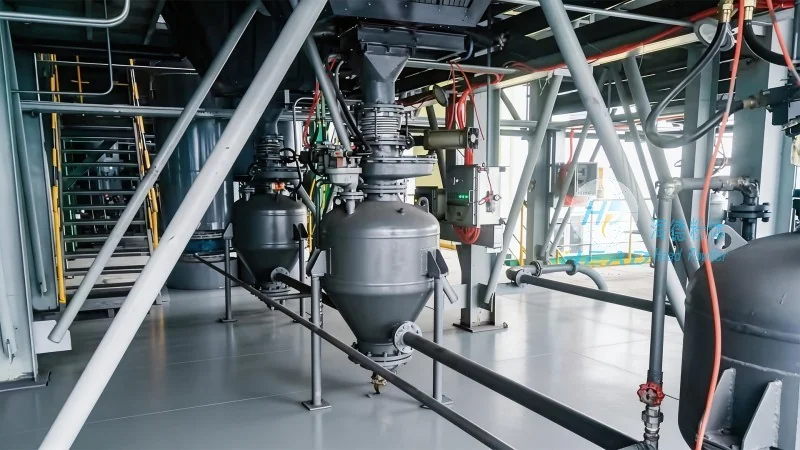
The application of dry manure material pneumatic conveying lines is characterized by several distinct features suitable for specific operational environments. Firstly, these systems are highly effective in large-scale agricultural and livestock facilities where large volumes of dry manure need to be handled efficiently. The ability to transport material over long distances without intermediate storage or manual handling significantly improves workflow and reduces labor costs. Secondly, the technology offers environmental advantages by minimizing odor and dust emissions compared to traditional methods such as truck transport or open-air spreading. The enclosed pipeline system captures and filters airborne particles, contributing to better air quality and compliance with environmental regulations. Thirdly, the flexibility of pneumatic conveying allows for integration with other processing equipment, such as composting or biogas production facilities. This integration enables a seamless flow of materials from collection to processing, enhancing overall operational efficiency. Additionally, the system's low maintenance requirements and durability make it a cost-effective solution for long-term use in demanding agricultural settings.
HeadPowder Engineering's Expertise in Dry Manure Pneumatic Conveying Solutions
Shandong HeadPowder Engineering Co., Ltd., a leading provider of engineering solutions for material handling, specializes in designing and manufacturing dry manure material pneumatic conveying lines tailored to the needs of the agricultural industry. With facilities located in Shandong, China, the company leverages advanced technology and years of experience to deliver systems that meet the highest standards of efficiency and reliability. HeadPowder's solutions are engineered to handle various types of dry manure, including cow, pig, and chicken manure, ensuring optimal performance across different applications. The company's approach involves a thorough understanding of the client's operational requirements, from the source of the manure to the final disposal or processing destination. This comprehensive analysis allows for the design of customized conveying systems that maximize throughput while minimizing energy consumption and operational costs. Furthermore, HeadPowder's commitment to quality and customer satisfaction is reflected in the robust construction of their equipment, which is built to withstand the harsh conditions often encountered in agricultural environments. By combining technical expertise with practical application knowledge, HeadPowder Engineering ensures that their dry manure pneumatic conveying lines not only meet but exceed the expectations of clients in the agricultural sector.




