

What is a Dust Collection Station Material Handling Conveyor? Understanding Its Design Principles
HeadPowder, a leading provider of industrial dust collection and material handling solutions, specializes in designing and manufacturing efficient systems for various industrial applications. This article explores the concept of dust collection station material handling conveyors, detailing their functions, key components, and the fundamental design principles that ensure optimal performance in industrial environments.
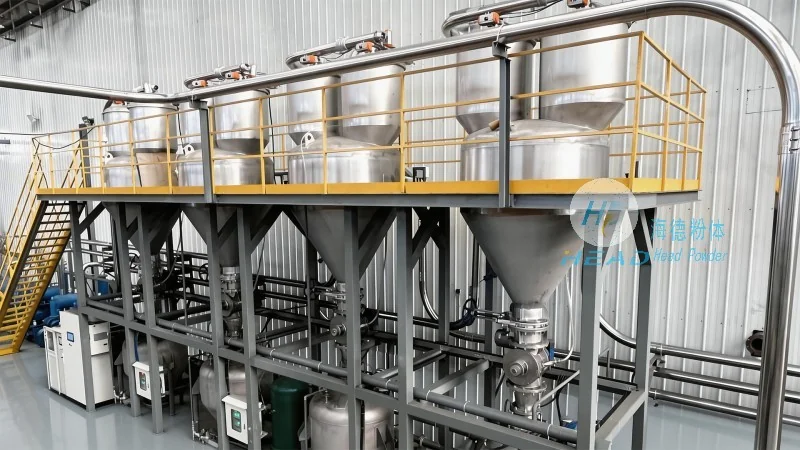
What Are Dust Collection Station Material Handling Conveyors?
Dust collection station material handling conveyors are specialized systems designed to transport bulk materials within industrial settings while simultaneously managing dust and particulate emissions. These conveyors are integral components of dust collection systems, often found in manufacturing facilities, processing plants, and other industrial operations where airborne particles need to be controlled and materials must be moved efficiently. The primary purpose of such conveyors is to facilitate the movement of raw materials, finished products, or waste materials from one processing stage to another, while maintaining a clean and safe working environment by capturing and containing dust.
Key Components of Dust Collection Station Material Handling Conveyors
Effective dust collection station material handling conveyors typically consist of several critical components that work in tandem to ensure smooth operation and efficient material transport. These components include:
1. Conveyor Belt or Chain System: The core mechanism for transporting materials. Depending on the application, conveyors may use belt systems for lighter loads or chain-driven systems for heavier, bulkier materials. The choice of conveyor type (e.g., belt, screw, roller, or bucket) is determined by the material's characteristics, such as size, weight, and moisture content.
2. Dust Collection Hoods and Collectors: These components are strategically placed along the conveyor path to capture airborne dust and particulates. The hoods are designed to direct the material flow into the collection system, while the collectors use filtration technologies (such as baghouse filters or cartridge filters) to trap dust particles, preventing them from being released into the atmosphere.
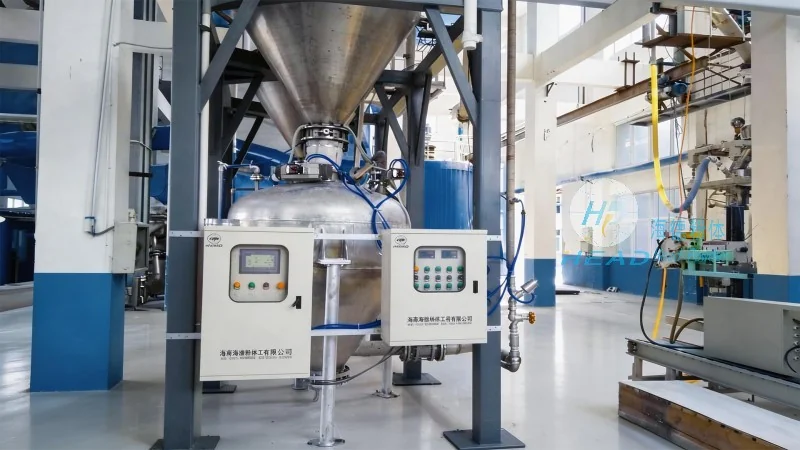
3. Drive Mechanisms: Motor-driven systems that power the conveyor, ensuring consistent and controlled movement of materials. The drive mechanisms can be variable speed or fixed speed, depending on the operational requirements of the system.
4. Control Systems: Integrated control panels or software that monitor and regulate the conveyor's operation. These systems may include sensors to detect material levels, speed controls, and alarms for maintenance or operational issues.
Design Principles for Optimal Performance
The design of dust collection station material handling conveyors follows several key principles to ensure they operate efficiently, safely, and reliably. These principles are tailored to the specific needs of the industrial application and the materials being handled.
1. Material Compatibility: The design must consider the physical and chemical properties of the materials being transported. For example, materials that are abrasive or corrosive may require special materials for the conveyor components (e.g., stainless steel or high-density polyethylene) to prevent wear and degradation.
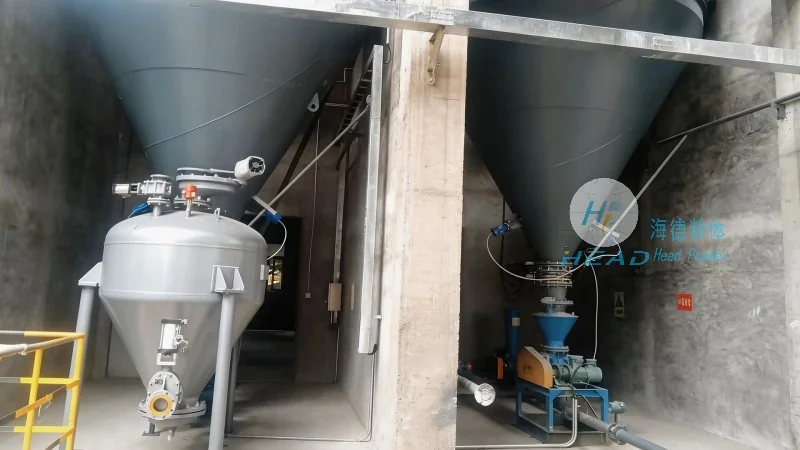
2. Dust Control Efficiency: The system is designed to minimize dust emissions while maximizing material throughput. This involves optimizing the placement of dust collection hoods, ensuring proper airflow, and using high-efficiency filtration systems. The design may also include features such as enclosed conveyor sections or dust-tight connections to prevent leaks.
3. Space Optimization: Industrial facilities often have limited space, so the conveyor design must be compact and adaptable to fit within the available footprint. This may involve using vertical or inclined conveyors to save horizontal space, or modular designs that can be expanded or reconfigured as needed.
4. Energy Efficiency: Modern designs prioritize energy efficiency by using variable frequency drives (VFDs) to adjust motor speed based on the load, reducing energy consumption during light load periods. Additionally, the use of lightweight materials and streamlined components can lower operational costs over time.
Applications and Benefits
Dust collection station material handling conveyors are used in a wide range of industrial applications, including:
• Manufacturing and Processing Plants: For transporting raw materials, intermediate products, or waste materials in industries such as food processing, pharmaceuticals, and chemicals.
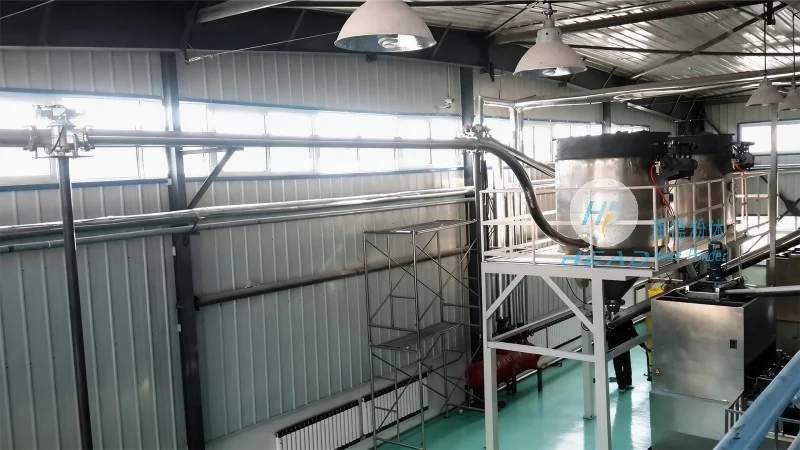
• Construction and Mining: For handling bulk materials like sand, gravel, or coal, where dust control is critical to worker safety and environmental compliance.
• Waste Management: For transporting solid waste or recyclable materials in landfills or recycling facilities, helping to maintain a clean and organized operation.
By integrating dust collection systems with material handling conveyors, industrial facilities can achieve several benefits, including improved air quality, enhanced worker safety, reduced maintenance costs, and increased operational efficiency.
Conclusion
Dust collection station material handling conveyors are essential components of modern industrial operations, combining efficient material transport with effective dust control. The design principles and components of these systems are carefully engineered to meet the specific needs of each application, ensuring optimal performance and reliability. As a leading provider of industrial solutions, Shandong HeadPowder Engineering Co., Ltd. specializes in developing customized dust collection and material handling systems that address the unique challenges of various industries. With a focus on quality, innovation, and customer satisfaction, HeadPowder delivers solutions that help businesses maintain a safe, clean, and productive work environment while meeting regulatory requirements and improving overall operational efficiency.