

What is an Automatic Weighing Material Conveying Line? What Are Its Design Principles?
Automatic weighing material conveying lines are advanced industrial systems designed to handle, transport, and weigh bulk materials with precision and efficiency. These systems are integral to various manufacturing and processing industries, where accurate material handling is crucial for maintaining quality control and operational productivity. The design of such lines integrates multiple components, including conveyors, weighing scales, control systems, and automation mechanisms, to ensure seamless material flow and accurate weight measurement.
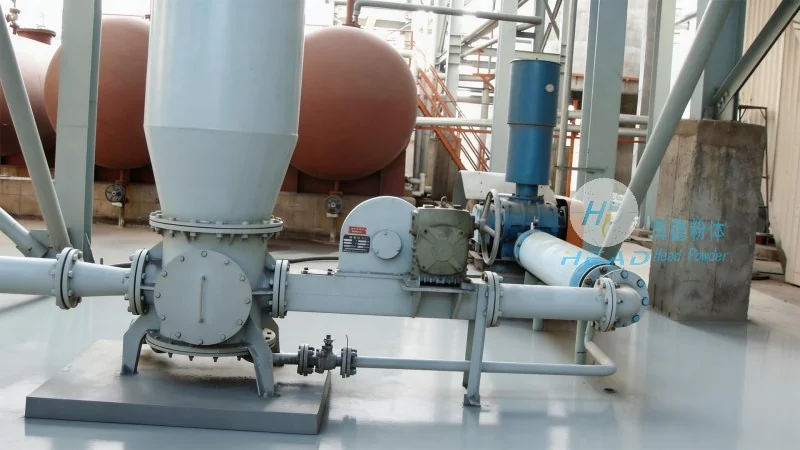
About Shandong HeadPowder Engineering Co., Ltd.
Shandong HeadPowder Engineering Co., Ltd., commonly known as HeadPowder, is a leading manufacturer and supplier of industrial conveying and weighing solutions. With a focus on innovation and quality, the company has established itself as a trusted partner in the material handling industry. HeadPowder's headquarters is located in Shandong, China, where the company operates its research and development, manufacturing, and customer service facilities.
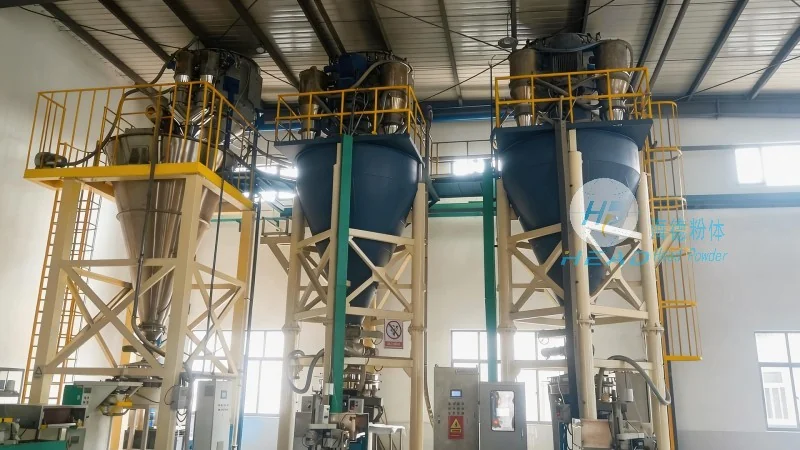
Design Principles of Automatic Weighing Material Conveying Lines
The design of an automatic weighing material conveying line is based on several key principles to ensure optimal performance and reliability. First, the system must integrate a robust conveyor system capable of handling the specific characteristics of the materials being transported, such as bulk density, flowability, and potential abrasiveness. This includes selecting appropriate conveyor types, like belt conveyors, screw conveyors, or bucket elevators, depending on the material properties and operational requirements.
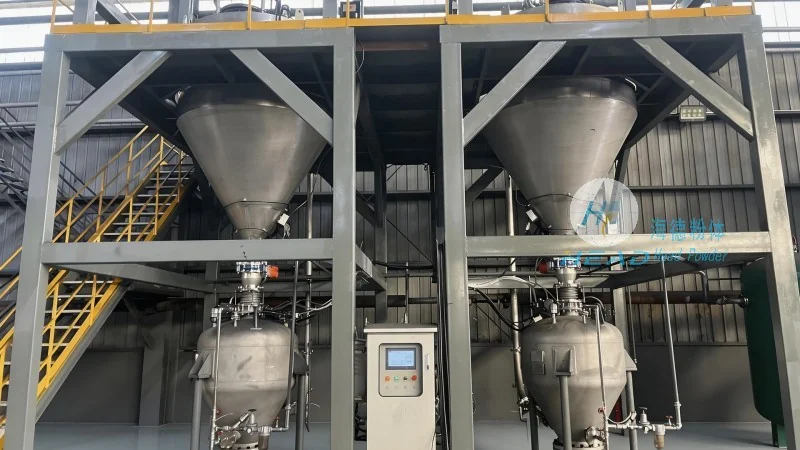
Second, the weighing mechanism is a critical component. Modern systems often employ load cells or digital scales integrated into the conveyor structure to provide real-time weight measurements. These scales are calibrated to ensure accuracy, and they can be connected to control systems for data logging and process adjustments. The design also considers the need for consistent material flow, which may involve feed hoppers, chutes, or distribution devices to ensure uniform material distribution onto the conveyor belt.
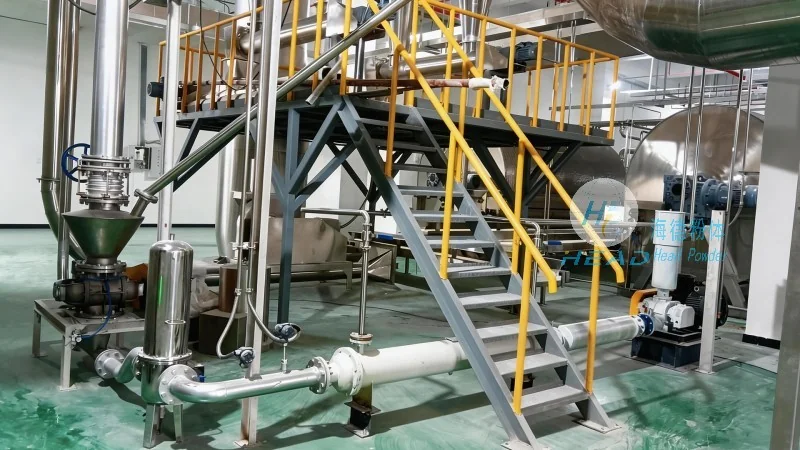
Third, automation and control systems play a vital role in the overall design. These systems manage the operation of the conveyor, weighing sensors, and other components, ensuring that the process runs smoothly and efficiently. Advanced control systems may include programmable logic controllers (PLCs), human-machine interfaces (HMIs), and software for monitoring and adjusting parameters. The integration of sensors, such as level detectors or position sensors, further enhances the system's ability to detect and respond to changes in material flow or conveyor status.