

Principle of Glucose Pneumatic Conveying System
Glucose, a critical carbohydrate, is widely utilized across pharmaceuticals, food processing, and chemical sectors. The efficient and safe transportation of glucose from production sites to processing facilities is essential for maintaining production efficiency and product quality. Pneumatic conveying systems provide a reliable solution by leveraging air pressure to move the material through pipelines. This article delves into the fundamental principles of glucose pneumatic conveying systems, highlighting key components, operational mechanisms, and the benefits in industrial applications.
Understanding Pneumatic Conveying Technology
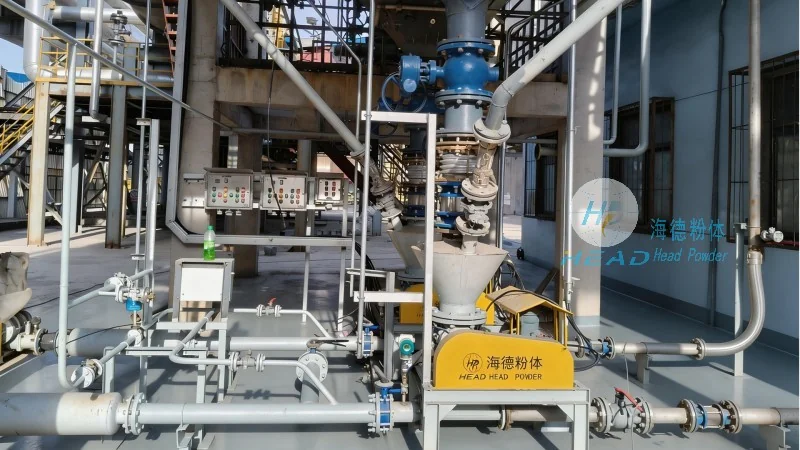
Pneumatic conveying systems employ compressed air or gas to transport bulk materials like glucose via a network of pipes. The core principle involves creating a pressure differential to propel the material forward. Two primary types exist: dilute phase and dense phase. Dilute phase systems operate at higher velocities (20-30 m/s) and are ideal for fine powders such as glucose. Dense phase systems use lower velocities and higher pressure, offering controlled movement that reduces product degradation and pipeline wear.
Key Components of a Glucose Pneumatic Conveying System
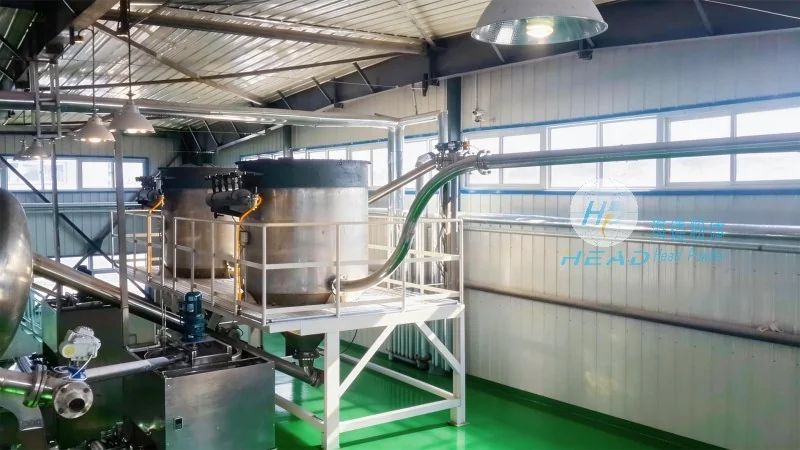
A typical system includes a hopper/feeder for material storage and feeding, a blower/compressor to generate air pressure, a pipeline network for transport, and a receiver/discharge unit for collection. Additional components like filters, cyclones, and control valves regulate airflow, prevent buildup, and enhance efficiency.
Operational Mechanisms and Flow Patterns
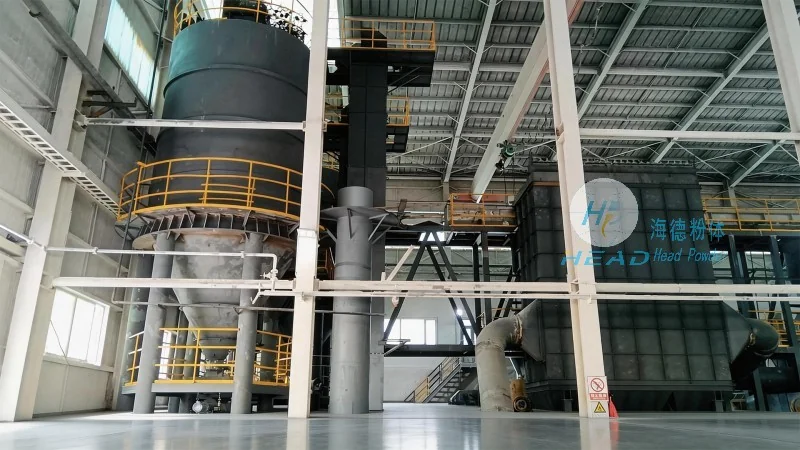
Operation involves feeding glucose from the hopper into the pipeline, where a blower introduces compressed air to create a pressure differential. The material is then propelled through the pipeline, which may include bends or expansions affecting flow. Proper pipeline design and air velocity control are vital to prevent segregation, agglomeration, or wear. The receiver collects the material, and filtered air is recycled to minimize energy use and environmental impact.
Benefits and Applications in Industrial Settings
Pneumatic conveying offers advantages over mechanical methods, including reduced labor costs, enhanced safety, and improved product quality by minimizing contamination. It is particularly suited for pharmaceutical and food industries where purity is critical. The systems integrate seamlessly with processing equipment, enabling smooth material transfer from production to packaging or further processing.
About Shandong HeadPowder Engineering Co., Ltd.
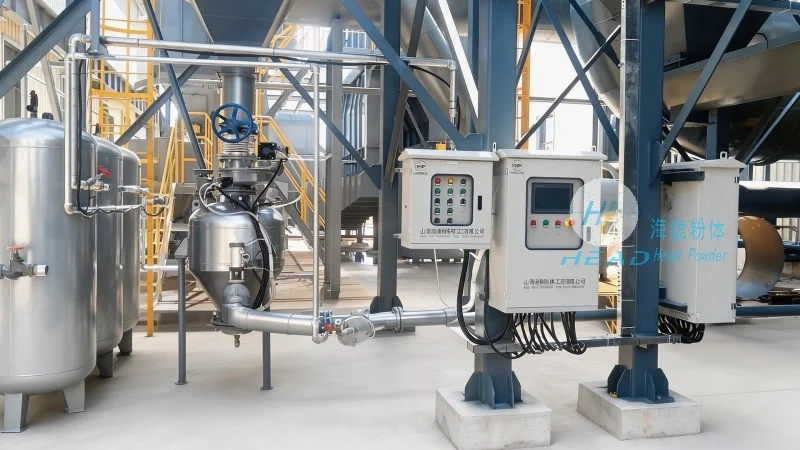
Shandong HeadPowder Engineering Co., Ltd., known as HeadPowder, is a leading provider of bulk material handling solutions. Specializing in customized pneumatic conveying systems, the company focuses on innovation and customer satisfaction. HeadPowder’s headquarters is in Shandong, China, and it has built a strong reputation for delivering high-quality, reliable, and efficient systems that meet international standards. The company’s expertise ensures clients receive durable, cost-effective solutions that boost operational efficiency and long-term profitability.