HeadPowder, a leading engineering company based in Shandong, China, specializes in the design and implementation of advanced pneumatic conveying systems tailored for the handling of dried chili peppers. This article delves into the fundamental principles behind such systems, explaining how they efficiently transport these valuable agricultural products while maintaining quality and operational efficiency.
Understanding Pneumatic Conveying Systems
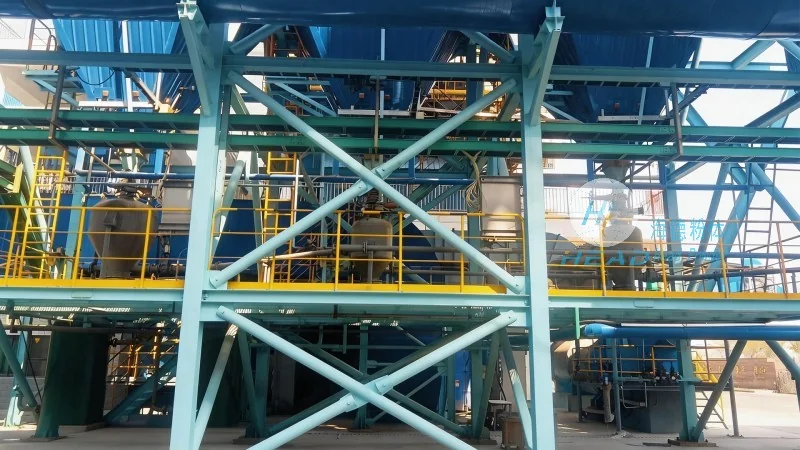
Pneumatic conveying systems utilize air or gas to transport bulk materials, such as dried chili peppers, through a pipeline network. This method offers several advantages over traditional mechanical conveyors, including reduced equipment wear, lower maintenance costs, and the ability to handle delicate or abrasive materials without causing damage. The core components of a typical pneumatic conveying system include a material feed hopper, a conveyor line, a separation or filtration unit, and a discharge outlet.
Key Components and Their Functions
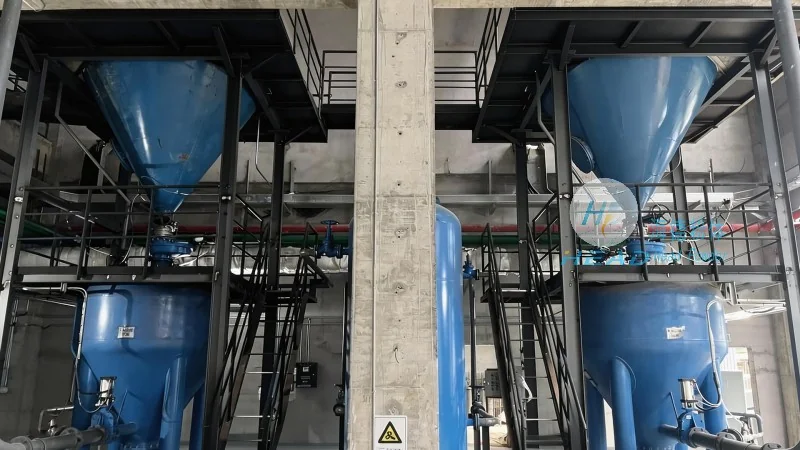
The effectiveness of a dried chili pepper pneumatic conveying system relies on the proper integration of several critical components. The material feed hopper is designed to store and meter the dried chili peppers into the system, ensuring a consistent flow rate. The conveyor line, often made of stainless steel or other corrosion-resistant materials, transports the material through the system under pressure. The separation or filtration unit is crucial for removing air or other contaminants from the conveyed material, preventing clogging and maintaining product purity. Finally, the discharge outlet allows the dried chili peppers to be released into the next processing stage or storage area.
Working Principle of the System
The operation of a dried chili pepper pneumatic conveying system is based on the principle of air flow and pressure differentials. In a typical system, air is drawn into the conveyor line using a fan or blower, creating a low-pressure zone that pulls the dried chili peppers from the feed hopper. As the material is entrained by the air stream, it travels through the pipeline to the discharge point. The system may use either positive pressure (where air is forced into the line) or negative pressure (where air is drawn out), depending on the specific application and material characteristics. The velocity of the air and the size of the particles determine the optimal conveying velocity, which must be carefully controlled to prevent material degradation or system blockages.
Advantages of Pneumatic Conveying for Dried Chili Peppers
Implementing a pneumatic conveying system for dried chili peppers offers numerous benefits that enhance both operational efficiency and product quality. One of the primary advantages is the ability to handle delicate, irregularly shaped materials without causing breakage or bruising, which is essential for maintaining the flavor and appearance of the product. Additionally, the enclosed system prevents contamination from external sources, ensuring that the dried chili peppers remain clean and free from dust or debris. The system also reduces labor costs by automating the material handling process, minimizing the need for manual loading and unloading. Furthermore, pneumatic conveying systems are compact and can be easily integrated into existing production lines, making them a versatile solution for various processing facilities.
Application in the Dried Chili Pepper Industry
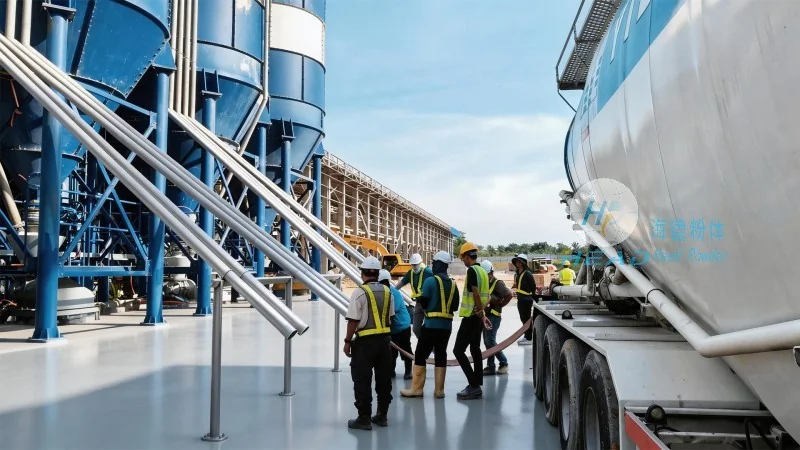
Dried chili peppers are a staple ingredient in many culinary applications, and their efficient handling is critical to the success of food processing operations. Pneumatic conveying systems are widely used in the industry to transport dried chili peppers from storage silos to processing equipment, such as grinding mills or mixing machines. The systems can handle large volumes of material with minimal downtime, ensuring a steady supply of raw ingredients for production. By maintaining consistent material flow and preventing product loss, these systems contribute to higher yields and improved overall productivity. HeadPowder's expertise in designing customized pneumatic conveying solutions ensures that clients in the dried chili pepper industry receive systems that are optimized for their specific processing needs, whether for small-scale artisanal production or large-scale commercial operations.
Maintenance and Operational Considerations
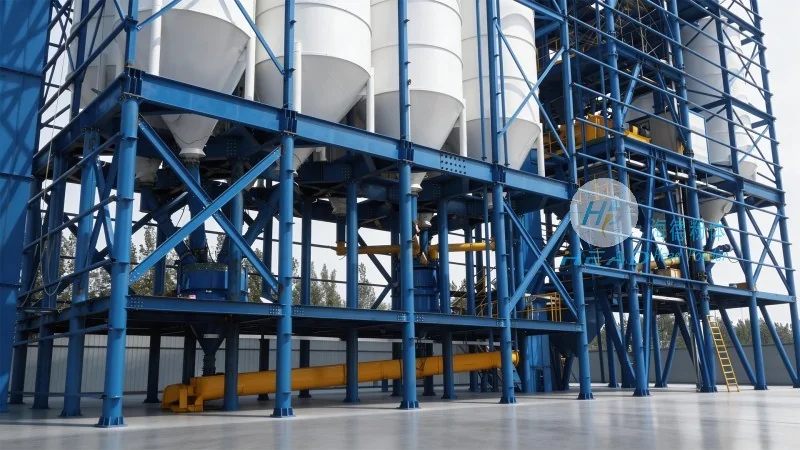
To ensure the long-term reliability and performance of a dried chili pepper pneumatic conveying system, regular maintenance is essential. Key maintenance tasks include cleaning the conveyor line and separation units to prevent buildup of chili pepper residue, inspecting the fan or blower for wear and tear, and checking for any leaks in the system that could affect air pressure. Proper maintenance not only extends the lifespan of the equipment but also ensures consistent conveying efficiency and product quality. Operational considerations also include monitoring the system's performance parameters, such as air pressure and flow rate, to detect any deviations that may indicate a problem. By adhering to a regular maintenance schedule and monitoring operational metrics, users can maximize the benefits of their pneumatic conveying system and minimize downtime.
Conclusion
The principle of pneumatic conveying systems, as applied to dried chili peppers, represents a sophisticated and efficient method for material handling in the food processing industry. HeadPowder, with its roots in Shandong, China, leverages decades of engineering expertise to design and implement these systems, ensuring that clients receive solutions that are tailored to their specific requirements. By understanding the core components, working principles, and operational advantages of such systems, businesses can enhance their production processes, improve product quality, and achieve greater operational efficiency. The continued use of pneumatic conveying technology in the dried chili pepper industry underscores its importance as a reliable and effective solution for modern food processing needs.




