

Principle of Peanut Kernels Pneumatic Conveying System
In the realm of food processing, particularly for peanut kernel handling, the pneumatic conveying system stands out as a sophisticated solution for efficient material transport. This technology, integral to modern industrial operations, leverages the power of compressed air to move bulk materials like peanut kernels through a sealed pipeline network. The system's design prioritizes hygiene, efficiency, and flexibility, making it an ideal choice for facilities aiming to streamline their production processes. This article explores the core principles, components, and operational dynamics of the peanut kernels pneumatic conveying system, providing a comprehensive understanding of its functionality and benefits.
Key Components and Their Roles
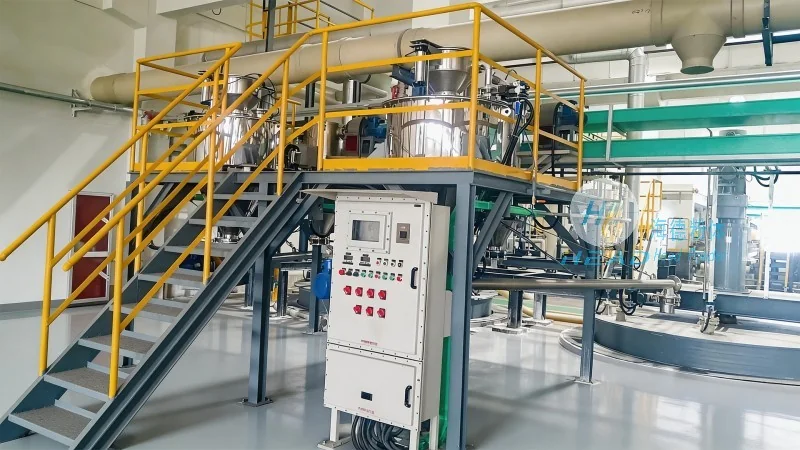
The peanut kernels pneumatic conveying system comprises several interdependent components that work in concert to achieve seamless material handling. The primary components include the material hopper, which serves as the storage and feeding unit, equipped with a discharge valve to control the flow of peanut kernels. The air compressor or blower is the heart of the system, generating the necessary air pressure to create the pressure differential required for conveying. The pipeline network, typically made of stainless steel or other corrosion-resistant materials, transports the material from the hopper to the discharge point. The discharge unit, often a cyclone separator or a rotary valve, separates the peanut kernels from the air stream and directs them to the next processing stage. Each component is engineered to withstand the demands of continuous operation and to maintain the integrity of the peanut kernels, minimizing breakage and preserving product quality.
The Pneumatic Conveying Process: Step-by-Step Operation
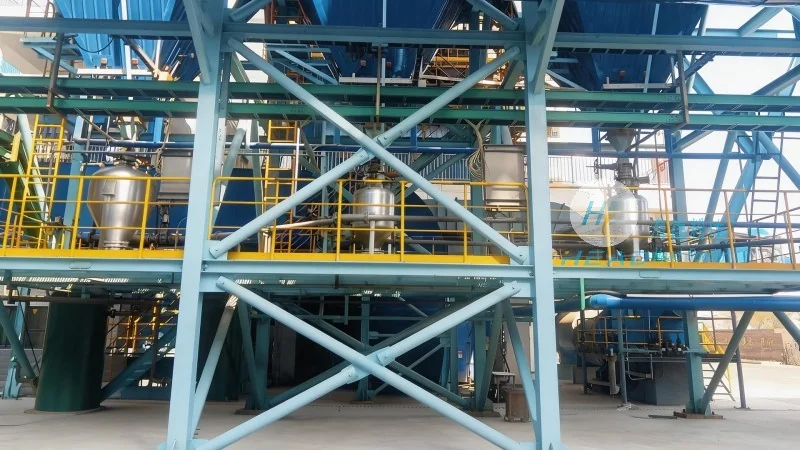
The operation of the peanut kernels pneumatic conveying system follows a systematic process that ensures consistent and reliable transport. Initially, peanut kernels are loaded into the hopper, where they accumulate until the system is ready to operate. The air compressor then starts, generating a flow of compressed air that enters the pipeline. As air is introduced, the pressure inside the hopper increases, creating a pressure differential between the hopper and the discharge point. This pressure difference causes the peanut kernels to be lifted and carried through the pipeline by the air stream. The velocity of the air is carefully controlled to ensure that the material is conveyed at an optimal speed, preventing excessive breakage and maintaining the physical characteristics of the peanut kernels. The system can operate in either positive pressure (where the pipeline is pressurized above atmospheric pressure) or negative pressure (where the pipeline is slightly vacuumed) modes, depending on the specific requirements of the application and the layout of the facility.
Advantages of Pneumatic Conveying for Peanut Kernels
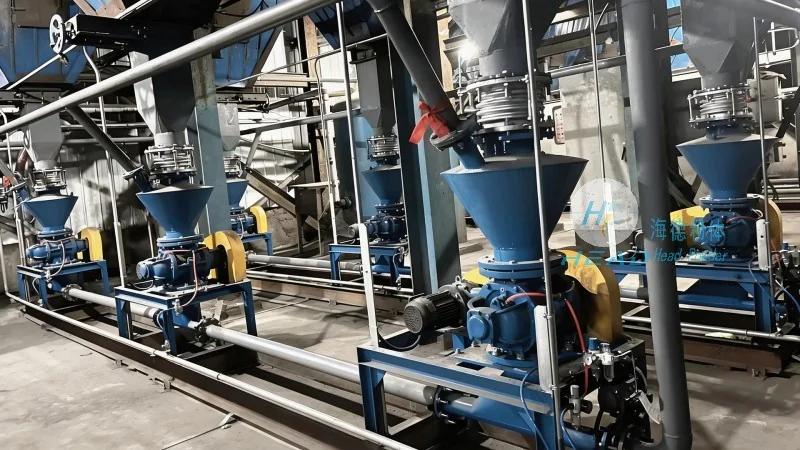
Adopting a pneumatic conveying system for peanut kernel handling offers a multitude of advantages over traditional methods such as belt conveyors or manual labor. One of the most significant benefits is the enhanced hygiene and sanitation, which is paramount in food processing industries. The enclosed system prevents contamination from external sources, such as dust, moisture, or pests, and maintains a clean environment throughout the transport process. This not only ensures compliance with food safety regulations but also preserves the quality and freshness of the peanut kernels. Additionally, the system significantly reduces labor costs by automating the material handling process, allowing for continuous operation with minimal human intervention. The flexibility of the system allows for easy integration with other processing equipment, such as cleaning, sorting, or packaging machines, enhancing overall production efficiency and reducing downtime. Furthermore, the system's ability to handle varying material loads and adjust to different production volumes makes it a versatile solution for facilities with fluctuating demand.
Customization and Engineering Excellence by HeadPowder
Shandong HeadPowder Engineering Co., Ltd. specializes in designing and manufacturing customized pneumatic conveying systems tailored to the unique needs of peanut processing facilities. The company's team of experienced engineers leverages advanced engineering principles and material science to develop solutions that address the specific challenges faced by peanut kernel handling, such as the risk of breakage, moisture sensitivity, and the need for high hygiene standards. By conducting thorough site assessments and understanding the client's operational requirements, HeadPowder engineers design systems that optimize performance while ensuring durability and reliability. The company's commitment to quality is evident in the use of high-grade materials, such as stainless steel for the pipeline and components, and advanced control systems that monitor and adjust the system's operation in real-time. The customized systems are scalable, allowing for expansion as the client's production needs grow, and are backed by comprehensive technical support and maintenance services.
Installation, Maintenance, and Long-Term Performance
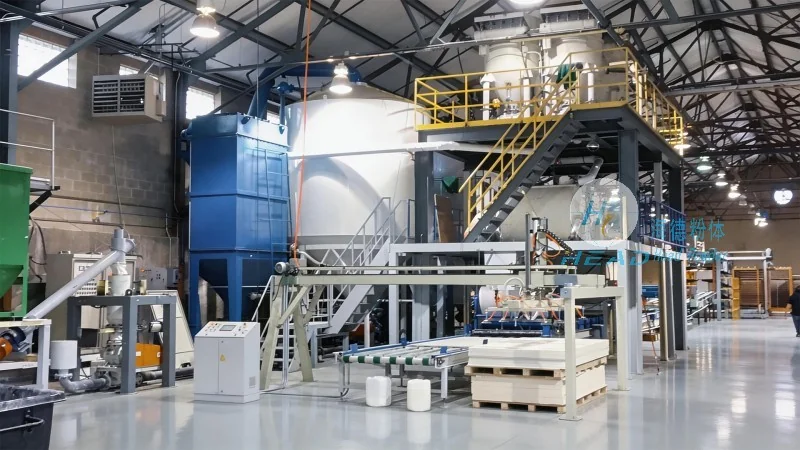
Proper installation and regular maintenance are critical to the long-term performance and lifespan of the peanut kernels pneumatic conveying system. HeadPowder provides professional installation services, ensuring that all components are correctly assembled, aligned, and tested to minimize energy consumption and prevent operational issues. The installation process includes thorough checks of the pipeline for leaks, verification of the air compressor's performance, and calibration of the control systems. Regular maintenance, which typically involves cleaning the pipeline, inspecting the air compressor and its filters, and replacing worn parts, is essential to maintain the system's efficiency and prevent breakdowns. The company offers flexible maintenance contracts and on-site technical support to ensure that clients can rely on their system for consistent performance over time. By adhering to strict maintenance protocols, facilities can extend the lifespan of their equipment and reduce the risk of unexpected downtime, ultimately contributing to higher productivity and cost savings.