HeadPowder, a leading engineering firm based in Shandong, China, specializes in the design and implementation of advanced pneumatic conveying systems for polypropylene materials. This article delves into the fundamental principles underlying these systems, exploring how they efficiently transport polypropylene from one location to another while maintaining material integrity and operational efficiency.
Understanding Pneumatic Conveying Fundamentals
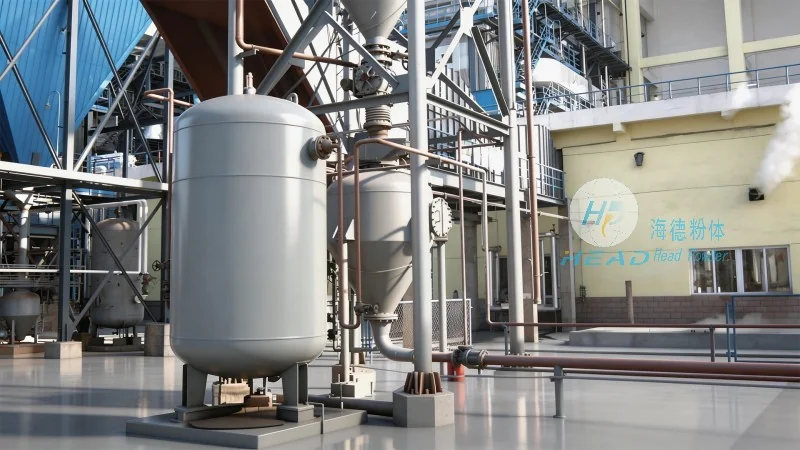
Pneumatic conveying systems utilize air or other gases to transport bulk materials like polypropylene through a pipeline network. The core principle involves creating a pressure differential that propels the material forward. There are two primary types of pneumatic conveying: pressure and vacuum systems. Pressure systems operate by injecting high-pressure air into the material, while vacuum systems create a negative pressure to draw material into the system. For polypropylene, which is a lightweight, non-abrasive plastic, the choice of system depends on factors such as material flow rate, distance, and the need for gentle handling to prevent degradation.
Key Components of a Polypropylene Pneumatic Conveying System
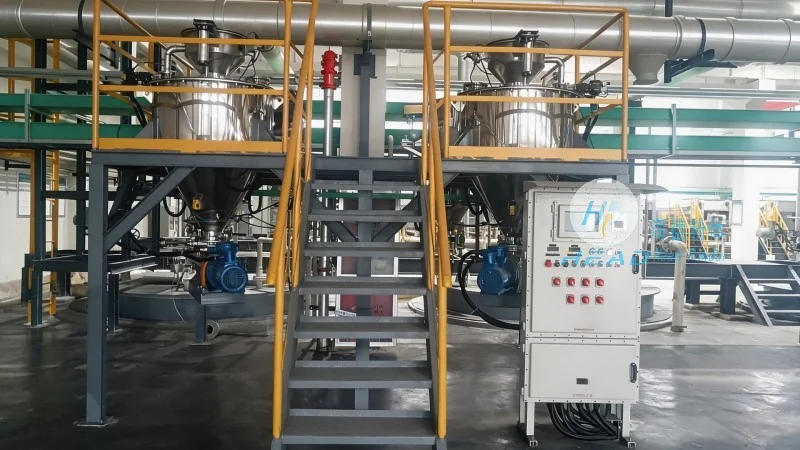
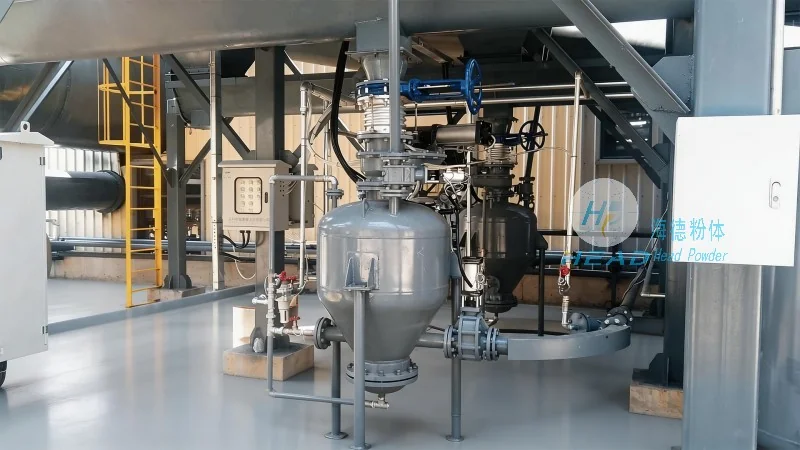
The effectiveness of a polypropylene pneumatic conveying system relies on several critical components working in harmony. These include the material feed hopper, which holds the polypropylene and regulates its flow into the system; the conveyor pipeline, which transports the material; the air supply unit, which provides the necessary pressure or vacuum; and the separation and collection equipment, which ensures the material is discharged cleanly. Additionally, components like rotary valves, filters, and pressure vessels are integral to maintaining system efficiency and preventing material buildup or contamination.
Advantages of Using Pneumatic Conveying for Polypropylene
Implementing a pneumatic conveying system for polypropylene offers numerous advantages over traditional methods such as belt conveyors or bucket elevators. One of the most significant benefits is the ability to handle polypropylene in a closed system, which minimizes dust exposure and improves workplace safety. This is particularly important for polypropylene, which can generate fine particles that pose respiratory hazards. Furthermore, pneumatic systems allow for gentle material handling, reducing the risk of degradation or damage to the polypropylene pellets or granules. The closed system also helps maintain material purity, preventing contamination from external sources. From an operational standpoint, pneumatic conveying systems can achieve higher throughput and cover longer distances with fewer intermediate transfers, enhancing overall production efficiency.
Application Scenarios and Operational Considerations
Polypropylene pneumatic conveying systems are widely used in various industrial applications, including plastic manufacturing, chemical processing, and material handling facilities. They are particularly suitable for applications where polypropylene needs to be transported from storage silos to processing lines, or between different production stages. Operational considerations for these systems include the selection of appropriate air velocities to prevent material settling or blockages, the use of appropriate filter media to maintain air quality, and the implementation of maintenance schedules to ensure component longevity. Proper system design, considering factors like material density, flow rate, and pipeline length, is crucial to achieving optimal performance and minimizing downtime.
Conclusion and Company Expertise
HeadPowder Engineering Co., Ltd., with its headquarters in Shandong, China, leverages decades of experience in engineering and manufacturing to provide tailored pneumatic conveying solutions for polypropylene applications. By adhering to the fundamental principles of pneumatic conveying and incorporating advanced design features, HeadPowder ensures that its systems deliver reliable, efficient, and safe material transport. The company’s commitment to quality and customer satisfaction has made it a trusted partner for businesses seeking to optimize their polypropylene handling processes. Whether for new installations or system upgrades, HeadPowder’s expertise in pneumatic conveying technology ensures that clients receive solutions that meet their specific operational needs and enhance overall productivity.




