

Principle of Silica Micropowder Pneumatic Conveying System
For detailed information on the principle of silica micropowder pneumatic conveying systems, please refer to the content below.
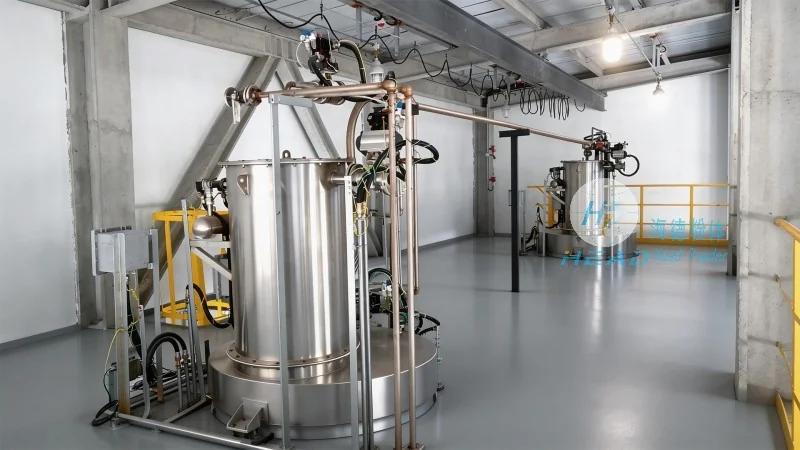
Introduction to Silica Micropowder Pneumatic Conveying Systems
Silica micropowder, a fine particulate material commonly used in various industrial applications, requires efficient and reliable transport methods to ensure consistent quality and process efficiency. Pneumatic conveying systems offer a solution by utilizing air or other gases to transport these powders through a network of pipes and components. This method is particularly advantageous for handling silica micropowder due to its ability to minimize dust exposure, reduce material degradation, and maintain process cleanliness.
Key Components and Their Functions in Pneumatic Conveying Systems
The core components of a pneumatic conveying system for silica micropowder include the feed hopper, air compressor or blower, conveying pipes, separation and collection equipment, and control valves. The feed hopper is designed to store and meter the silica micropowder, ensuring a steady flow into the system. The air compressor or blower generates the necessary pressure or vacuum to move the powder particles through the pipes. Conveying pipes are typically made of materials resistant to corrosion and abrasion, such as stainless steel or plastic, to withstand the abrasive nature of silica micropowder. Separation equipment, like cyclones or bag filters, separates the powder from the air stream, allowing for clean collection and reuse of the air. Control valves regulate the flow of air and powder, maintaining optimal system performance.
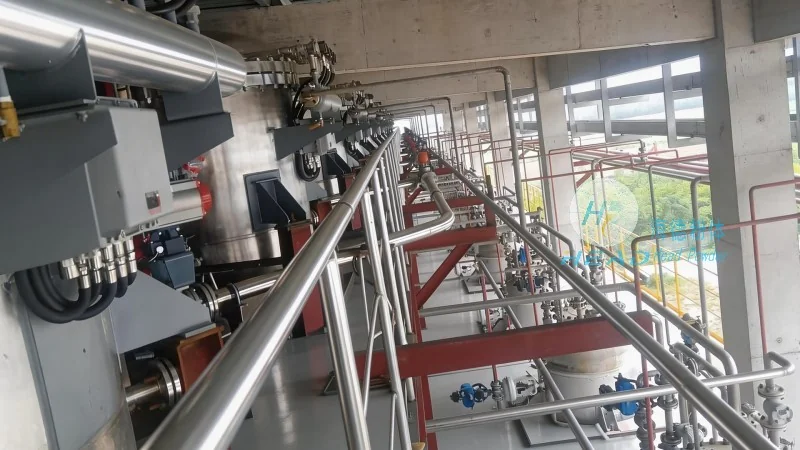
Fundamental Principles of Pneumatic Conveying
Pneumatic conveying operates on the principle of fluid dynamics, where solid particles are suspended and transported by a moving gas stream. There are two primary modes of pneumatic conveying: pressure and vacuum. In pressure systems, air is compressed and introduced at the discharge end of the pipeline, pushing the powder forward. Vacuum systems, on the other hand, use a vacuum pump to draw air and powder from the feed point, pulling the material through the system. For silica micropowder, the choice between pressure and vacuum depends on factors such as the distance to be covered, the material's density, and the desired flow rate. The system must maintain sufficient velocity to keep the particles in suspension, preventing deposition and blockages. This requires careful calculation of air velocity and pressure differentials to ensure stable and continuous operation.
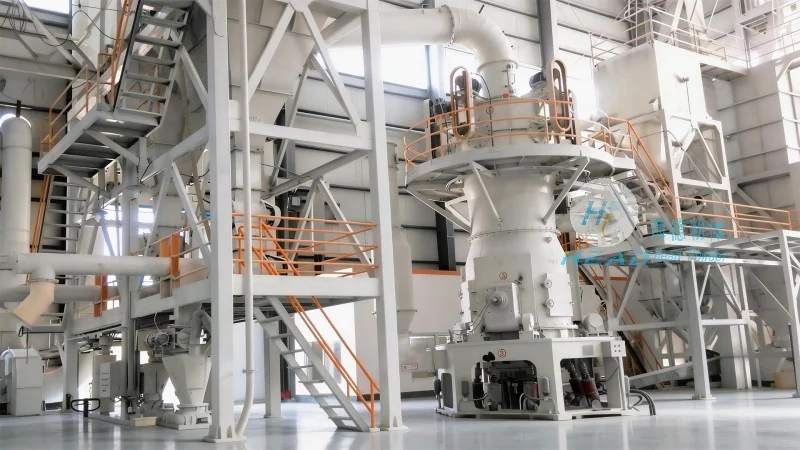
Advantages of Pneumatic Conveying for Silica Micropowder Handling
Implementing pneumatic conveying for silica micropowder offers several key advantages over traditional methods like bucket elevators or belt conveyors. Firstly, it provides a dust-free environment, which is critical for maintaining product purity and worker safety. Unlike mechanical systems that can generate significant dust, pneumatic conveying encloses the powder within the air stream, reducing airborne particulate matter. Secondly, it minimizes material degradation by reducing friction and impact during transport. Silica micropowder is often sensitive to mechanical stress, and pneumatic systems can preserve its particle size distribution and surface properties. Thirdly, the system allows for flexible and compact layouts, as pipes can be routed around obstacles and in tight spaces. This flexibility is particularly beneficial in facilities with limited floor space or complex process flows. Additionally, pneumatic conveying can integrate with other process equipment, such as mixers or reactors, enabling seamless material transfer without the need for manual handling.
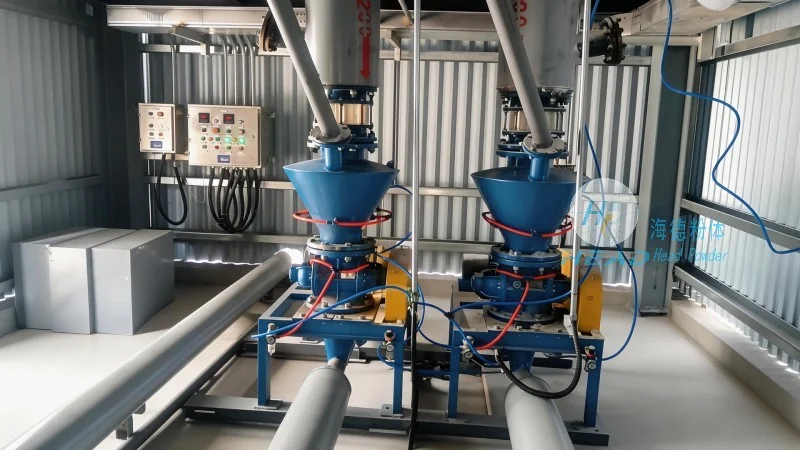
Application Scenarios and Industry Use Cases
Silica micropowder pneumatic conveying systems are widely used across various industries where fine powders need to be transported efficiently and safely. In the chemical industry, these systems are employed to move silica micropowder in the production of coatings, adhesives, and specialty chemicals. The pharmaceutical industry utilizes pneumatic conveying for handling silica micropowder in drug formulation processes, ensuring compliance with stringent regulatory standards for cleanliness and contamination control. The food and beverage sector also benefits from such systems when transporting silica micropowder as an anti-caking agent or filler in food products. Furthermore, in the construction materials industry, pneumatic conveying is used to transport silica micropowder for applications like concrete additives or insulation materials. Each of these applications leverages the efficiency and cleanliness of pneumatic conveying to enhance production quality and operational safety.
Company Profile: Shandong HeadPowder Engineering Co., Ltd.
HeadPowder, the professional provider of pneumatic conveying solutions, is dedicated to delivering high-quality equipment and services for silica micropowder handling. As a leading manufacturer based in Shandong, China, HeadPowder specializes in designing and manufacturing customized pneumatic conveying systems tailored to the specific needs of clients. The company's team of engineers and technicians leverages advanced technology and years of industry experience to develop robust and reliable systems that meet the demanding requirements of modern industrial processes. With a commitment to innovation and customer satisfaction, HeadPowder ensures that its products are built to last, offering long-term performance and minimal maintenance. The company's headquarters and main operations are located in Shandong, China, providing a strong local presence to support clients with technical assistance, installation, and after-sales service. By combining expertise in material handling and pneumatic technology, HeadPowder continues to be a trusted partner for businesses seeking efficient and effective solutions for silica micropowder transportation.