

Types and Practical Applications of Pneumatic Conveying Systems for Biomass Ash Handling
Pneumatic conveying systems have emerged as a critical technology in the efficient and safe transportation of biomass ash, a byproduct generated from biomass combustion processes. These systems utilize air or gas to move bulk materials like biomass ash through pipelines, offering advantages such as reduced labor costs, improved safety, and enhanced process control compared to traditional methods like bucket elevators or belt conveyors. For industries dealing with biomass ash, selecting the right type of pneumatic conveying system is essential to optimize operational efficiency and ensure compliance with environmental regulations.
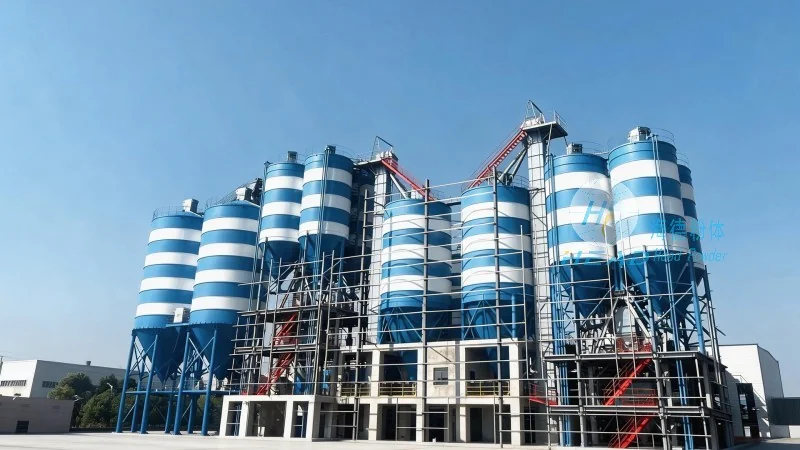
Types of Pneumatic Conveying Systems for Biomass Ash
There are primarily three types of pneumatic conveying systems commonly used in biomass ash handling: positive pressure, negative pressure, and mixed pressure systems. Each type has distinct characteristics and is suitable for different operational conditions and material properties.
Positive pressure systems operate by blowing air or gas into the conveying line, pushing the biomass ash forward. This method is ideal for short to medium distance applications and is effective for handling materials with high moisture content or those that are prone to caking. The positive pressure system is often preferred when the ash needs to be discharged into a receiver or storage silo under pressure, ensuring a consistent flow rate.
Negative pressure systems, on the other hand, draw the biomass ash into the conveying line using a vacuum created by a fan or blower at the discharge end. This approach is suitable for long-distance transportation and is particularly effective for handling materials that are dusty or require a clean environment, as it prevents the release of particles into the ambient air. Negative pressure systems are commonly used in applications where the ash is to be collected from multiple points and transported to a central processing facility.
Mixed pressure systems combine elements of both positive and negative pressure systems. They use a combination of blowing and suction to transport the biomass ash, offering flexibility in handling a wide range of material characteristics and operational distances. This system is often chosen when the application involves both short and long segments of the conveying line, or when the material has varying properties that require different conveying pressures.
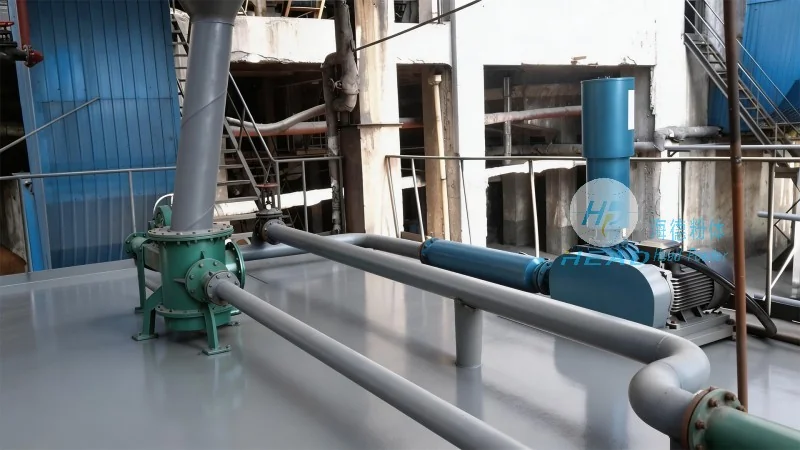
Practical Applications in Biomass Ash Handling
The practical application of pneumatic conveying systems in biomass ash handling varies based on the specific requirements of the facility, such as the ash's moisture content, particle size, and the distance it needs to be transported. For example, in power plants that use biomass as a fuel source, the ash generated from the boiler is often transported from the furnace to a storage silo using a positive pressure system. This ensures that the ash is moved quickly and efficiently, minimizing the risk of clogging in the pipeline.
In industrial settings where biomass ash is used as a raw material for other processes, such as in the production of activated carbon or as a fertilizer, the negative pressure system may be preferred. This system allows for the collection of ash from multiple points in the facility and transports it to a central processing unit, maintaining a clean and controlled environment. The mixed pressure system is often used in large-scale biomass ash handling facilities that require the transportation of ash over long distances while maintaining high efficiency and low maintenance costs.
Additionally, the choice of pneumatic conveying system depends on the environmental and safety considerations of the operation. For instance, in facilities located in urban areas or near residential zones, negative pressure systems are often preferred to minimize dust emissions and comply with local air quality regulations. The positive pressure system, while effective for short distances, may require additional filtration and dust control measures to prevent air pollution.
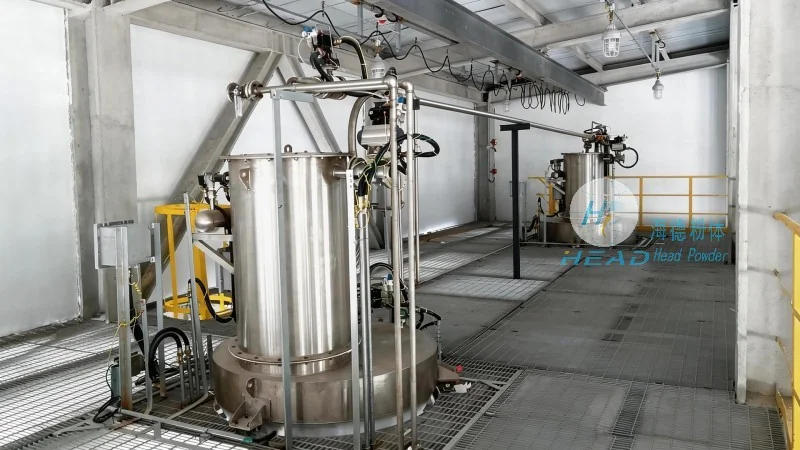
Key Considerations for Selecting the Right System
When selecting a pneumatic conveying system for biomass ash handling, several factors must be considered to ensure optimal performance and cost-effectiveness. The first consideration is the material properties of the biomass ash, including its moisture content, particle size distribution, and flowability. Materials with high moisture content or fine particles may require a system with higher air pressure or additional equipment like rotary valves or airlocks to prevent blockages.
Another critical factor is the distance and layout of the conveying line. Short-distance applications may benefit from a positive pressure system with a simple pipeline design, while long-distance or complex layouts may require a negative pressure system with additional components like cyclones or filters to maintain system efficiency. The system's capacity and flow rate are also important, as they directly impact the throughput of the biomass ash and the overall productivity of the facility.
Cost is another significant consideration when choosing a pneumatic conveying system. Positive pressure systems are generally more cost-effective for short distances and lower material capacities, while negative pressure systems may have higher initial costs but offer greater flexibility and efficiency for long-distance transportation. Maintenance and operational costs should also be evaluated, as systems with higher maintenance requirements may result in higher long-term expenses.
Conclusion
Pneumatic conveying systems play a vital role in the efficient and sustainable handling of biomass ash, offering a reliable and environmentally friendly solution for industries involved in biomass energy production. By understanding the different types of systems available and their practical applications, facilities can select the most appropriate technology to meet their specific needs, ensuring optimal performance, safety, and compliance with regulatory requirements. As the demand for biomass energy continues to grow, the importance of advanced conveying systems like pneumatic conveying will only increase, making it essential for industry professionals to stay informed about the latest developments in this field.