Ammonium chloride (NH₄Cl) is a widely used chemical in various industries, including agriculture, pharmaceuticals, and chemical manufacturing. The efficient and safe transportation of this material from storage to processing units is crucial for maintaining production efficiency and ensuring product quality. Pneumatic conveying systems offer a reliable solution for handling ammonium chloride, with two primary methods: positive pressure conveying and negative pressure conveying. This article provides a detailed comparison of these two approaches, highlighting their operational principles, advantages, disadvantages, and practical applications.
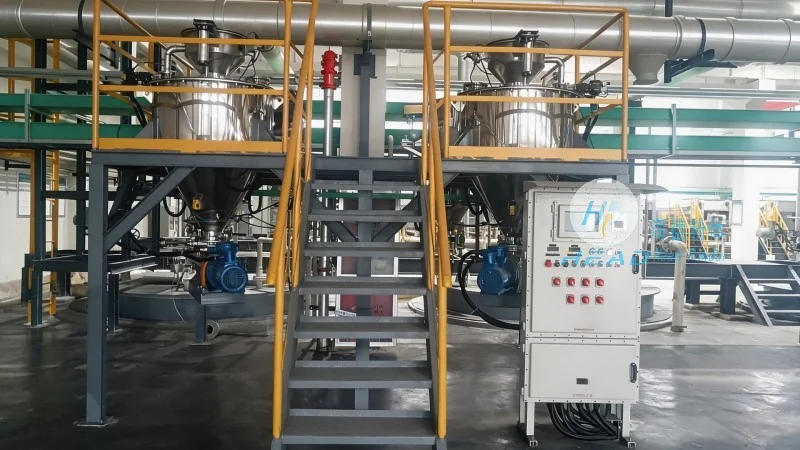
Understanding Pneumatic Conveying Systems
Pneumatic conveying is a method of transporting bulk materials using a gas stream, typically air, to move the material through a pipeline. The two main types of pneumatic conveying are positive pressure and negative pressure systems. Both systems rely on the same fundamental principle of using air to transport material, but they differ in how the air is introduced and managed within the system.
Positive Pressure Conveying: How It Works
Positive pressure conveying operates by blowing air into the conveying line, creating a pressure higher than the ambient air pressure. The material is introduced into the line at a pressure point, and the air flow propels the material forward. This method is often referred to as "blowing" or "pressure conveying." The system typically includes a blower or compressor that generates the necessary pressure to move the material.
Key Features of Positive Pressure Conveying
Positive pressure systems are known for their ability to handle a wide range of materials, including abrasive and corrosive substances like ammonium chloride. They can transport materials over longer distances and through complex pipe networks without significant pressure loss. The high pressure also helps in maintaining the material's integrity, reducing the risk of caking or agglomeration during transport.
Advantages of Positive Pressure Conveying
One of the primary advantages of positive pressure conveying is its high conveying capacity. It can handle large volumes of material efficiently, making it suitable for high-throughput applications. Additionally, the system is relatively simple to install and maintain, as it does not require complex vacuum equipment. The positive pressure also helps in preventing dust leakage, as the system maintains a pressure higher than the surrounding environment.
Disadvantages of Positive Pressure Conveying
However, positive pressure systems have some limitations. They can be more energy-intensive compared to negative pressure systems, as higher pressure is required to move the material. This can lead to higher operational costs, especially for long-distance or high-volume conveying. Another drawback is the potential for air leakage, which can result in dust emissions and environmental concerns if not properly sealed.
Negative Pressure Conveying: Operational Principles
Negative pressure conveying, also known as "suction" or "vacuum" conveying, operates by creating a vacuum in the conveying line, drawing material into the system. The material is introduced into the line at a low-pressure point, and the vacuum pulls the material forward. This method is often used for short to medium-distance conveying and for materials that are sensitive to high pressure.
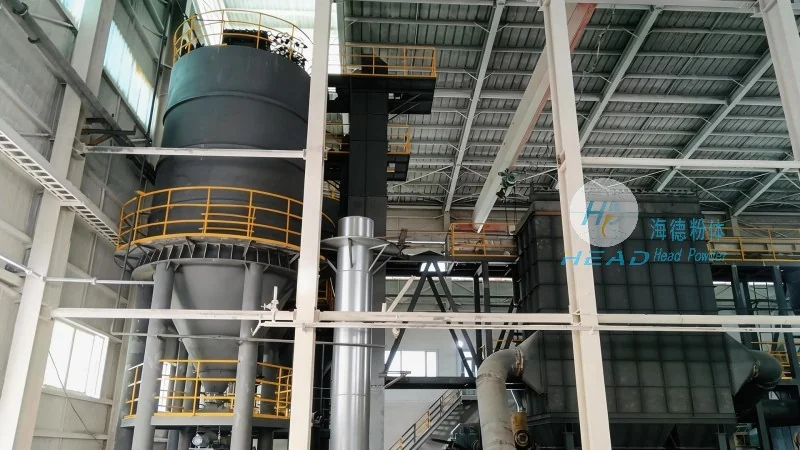
Key Features of Negative Pressure Conveying
Negative pressure systems are ideal for handling materials that are prone to caking or agglomeration, as the low pressure helps maintain the material's flowability. They are also suitable for applications where the material needs to be transported from multiple sources or through flexible pipelines. The vacuum created in the system helps in capturing and transporting fine particles without causing excessive wear on the equipment.
Advantages of Negative Pressure Conveying
One of the main advantages of negative pressure conveying is its lower energy consumption compared to positive pressure systems. The vacuum is generated by a fan or ejector, which requires less power to operate. This makes it a cost-effective solution for shorter conveying distances. Additionally, the system is less likely to cause dust explosions, as the air is drawn into the system rather than being blown out.
Disadvantages of Negative Pressure Conveying
Despite its advantages, negative pressure conveying has some drawbacks. The system is more complex to design and maintain, as it requires careful attention to vacuum levels and air leakage. The low pressure can lead to lower conveying capacity, making it less suitable for high-volume applications. Another issue is the potential for material buildup in the vacuum line, which can cause blockages and reduce system efficiency.
Comparative Analysis: Positive vs. Negative Pressure Conveying
When deciding between positive and negative pressure conveying for ammonium chloride, several factors need to be considered. The choice depends on the specific application requirements, such as the distance to be covered, the volume of material to be transported, and the material's properties. Here is a comparative analysis of the two methods:
Conveying Distance and Capacity
Positive pressure conveying is generally more suitable for longer distances and higher volumes. It can transport materials over distances of several hundred meters with minimal pressure loss. Negative pressure systems are better suited for shorter distances, typically up to 100 meters, and lower volumes. For applications requiring long-distance transport of large quantities of ammonium chloride, positive pressure systems are often the preferred choice.
Energy Efficiency
Energy consumption is a critical factor in the selection of a conveying system. Positive pressure systems require higher energy input due to the need for high-pressure air. Negative pressure systems, on the other hand, are more energy-efficient, making them a cost-effective option for shorter conveying distances. However, the overall energy cost depends on the specific system design and operational parameters.
Material Handling and Integrity
The ability to maintain material integrity is essential for ammonium chloride, which can be sensitive to pressure changes and temperature fluctuations. Positive pressure systems can better preserve the material's properties by maintaining higher pressure and reducing the risk of caking. Negative pressure systems, while effective for preventing agglomeration, may not be as suitable for materials that are prone to degradation under high pressure.
Environmental and Safety Considerations
Environmental and safety factors play a significant role in the selection of a conveying system. Positive pressure systems can pose a risk of dust emissions and explosions if not properly sealed. Negative pressure systems, by drawing air into the system, help in containing dust and reducing the risk of explosions. However, the vacuum line must be carefully designed to prevent air leakage and ensure safe operation.
Application Examples
Both positive and negative pressure conveying systems have been successfully used in the handling of ammonium chloride. Positive pressure systems are commonly used in large-scale industrial applications, such as fertilizer production and chemical processing plants, where high volumes of material need to be transported over long distances. Negative pressure systems are often used in smaller-scale operations, such as pharmaceutical manufacturing, where the material is sensitive to pressure and requires gentle handling.
Conclusion: Choosing the Right Conveying System
Choosing between positive and negative pressure conveying for ammonium chloride requires a careful evaluation of the specific application requirements. Positive pressure systems offer high capacity and efficient long-distance transport but at a higher energy cost. Negative pressure systems provide energy efficiency and gentle material handling but are limited in conveying distance and capacity. By understanding the operational principles, advantages, and disadvantages of each method, industrial operators can select the most suitable conveying system to meet their production needs while ensuring safety and efficiency.
Shandong HeadPowder Engineering Co., Ltd., a leading provider of pneumatic conveying solutions, specializes in designing and manufacturing customized systems for handling ammonium chloride and other bulk materials. With years of experience in the industry, the company offers tailored solutions that address the unique challenges of each application, ensuring optimal performance and reliability. Whether you need a positive pressure or negative pressure conveying system, HeadPowder provides the expertise and technology to meet your material handling needs.




