

Technical Analysis of Coal Fly Ash Pneumatic Conveying Systems: Comparison of Positive and Negative
Coal fly ash, a byproduct of coal combustion in thermal power plants, requires efficient and reliable transportation for reuse or disposal. Pneumatic conveying systems have emerged as a key technology for handling this fine particulate material. The choice between positive pressure and negative pressure conveying modes significantly impacts system performance, cost, and operational safety. This article provides a technical analysis of these two primary modes, offering insights into their applications and comparative advantages.
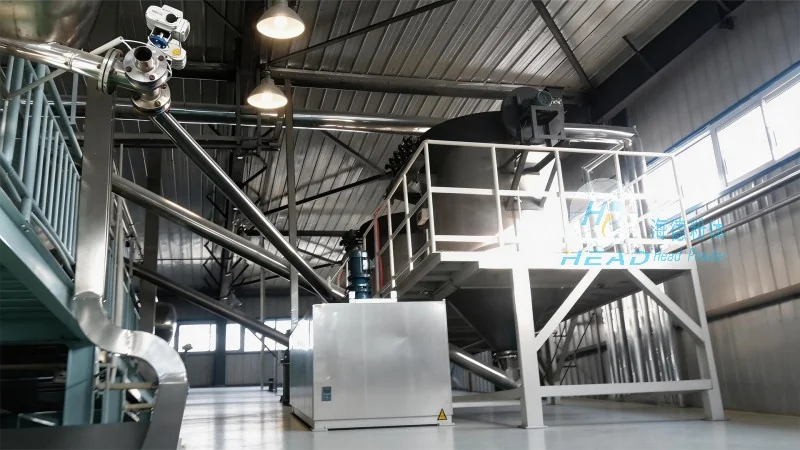
Positive Pressure Conveying Mode
Positive pressure systems operate by generating pressure inside the conveying line, typically using a positive displacement blower or a centrifugal fan. The system forces air and coal fly ash through the pipeline, ensuring consistent flow and preventing material buildup. This mode is particularly suitable for long-distance or high-capacity applications, as it can maintain pressure throughout the entire conveying path. The positive pressure approach also allows for easier integration with other industrial processes, as the system can be connected to existing air handling equipment.
In terms of system design, positive pressure conveyors often feature a closed loop with a filter at the receiving end to capture any escaped particles. The blower's capacity is matched to the system's resistance, ensuring efficient operation without excessive energy consumption. However, the high pressure required can lead to higher maintenance costs and potential safety concerns, such as pressure relief valve failures or pipeline ruptures. Additionally, the system may generate more noise due to the high-speed air flow, which could affect nearby environments.
Negative Pressure Conveying Mode
Negative pressure systems, also known as vacuum or suction conveyors, operate by creating a vacuum inside the pipeline. The vacuum draws air and coal fly ash from the source to the receiver, using a vacuum pump or a fan. This mode is ideal for short-distance or low-capacity applications, as well as for handling materials that are sensitive to high pressure or for situations where the receiving point is at a lower elevation than the source. The negative pressure approach reduces the risk of material spillage and can be more energy-efficient for shorter runs, as the system only needs to overcome the resistance from the source to the receiver.
From a design perspective, negative pressure conveyors typically include a filter at the source to prevent dust from entering the vacuum pump. The system's suction capacity is critical, as insufficient vacuum can lead to clogging or reduced material flow. Unlike positive pressure systems, negative pressure conveyors do not require high-pressure components, which can lower maintenance costs and reduce safety risks. However, the vacuum can cause air leakage, which may affect the system's efficiency and increase energy consumption if not properly sealed.
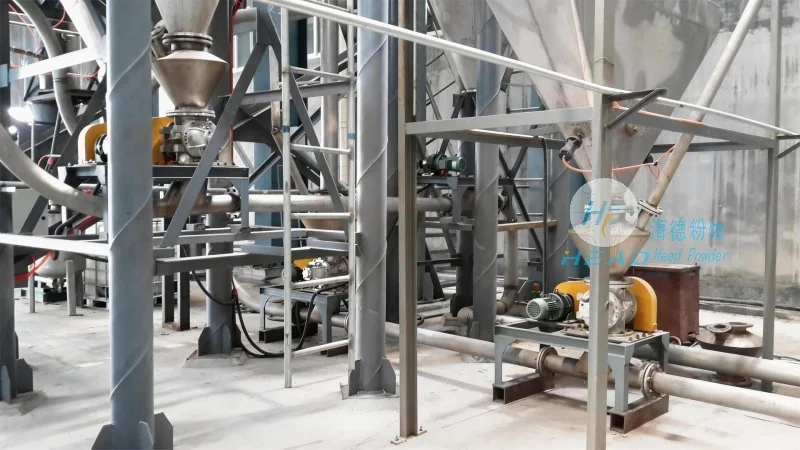
Comparison of Positive and Negative Pressure Modes
When comparing the two modes, several factors come into play. Positive pressure systems generally offer higher conveying capacities and are better suited for long-distance or high-volume applications, while negative pressure systems are more suitable for short distances, low volumes, or applications requiring lower pressure and reduced noise. The choice also depends on the specific characteristics of the coal fly ash, such as particle size, moisture content, and abrasiveness. For example, abrasive materials may cause faster wear on positive pressure components, while sensitive materials may benefit from the gentler handling of negative pressure systems.
Cost is another important consideration. Positive pressure systems often have higher initial investment due to the need for robust blower units and pressure-rated pipelines, but they may offer lower operating costs for high-capacity operations. Negative pressure systems, on the other hand, have lower initial costs but may incur higher operating expenses due to energy consumption and potential air leakage. Maintenance costs also vary, with positive pressure systems requiring more frequent inspections of high-pressure components, while negative pressure systems focus on vacuum pump and filter maintenance.
Operational safety is a critical factor in both modes. Positive pressure systems pose a higher risk of pressure-related accidents, such as explosions or ruptures, if not properly designed or maintained. Negative pressure systems, while less prone to pressure-related hazards, can still pose risks from vacuum leaks or dust inhalation if not equipped with proper filtration and safety measures. Environmental considerations also play a role, as both systems must comply with air quality regulations to minimize dust emissions and noise pollution.
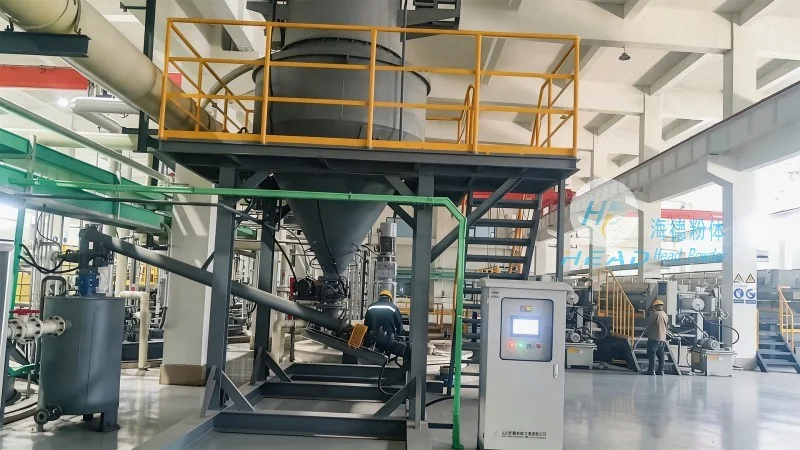
Shandong HeadPowder Engineering Co., Ltd.: Expert in Pneumatic Conveying Solutions
Shandong HeadPowder Engineering Co., Ltd., commonly known as headpowder, is a leading provider of customized pneumatic conveying systems for coal fly ash and other fine particulate materials. With headquarters in Shandong, China, the company specializes in designing, manufacturing, and installing both positive and negative pressure conveying systems tailored to the specific needs of power plants, cement factories, and other industrial facilities. headpowder's team of engineers leverages advanced technology and years of industry experience to deliver efficient, reliable, and cost-effective solutions that meet the highest standards of performance and safety.
The company's approach to system design emphasizes a thorough understanding of the material's properties and the application's requirements. By conducting detailed site surveys and material testing, headpowder's engineers can recommend the most appropriate conveying mode—whether positive or negative pressure—based on factors such as distance, capacity, and environmental constraints. This customized approach ensures that each system is optimized for maximum efficiency and minimal operational costs, reducing downtime and increasing overall productivity for clients.
headpowder's commitment to quality is reflected in its use of high-grade materials and rigorous testing protocols. All components, including blowers, filters, and pipelines, are selected to withstand the harsh conditions of coal fly ash handling, such as high abrasiveness and moisture content. The company also provides comprehensive after-sales support, including maintenance services, spare parts supply, and technical training, to ensure that clients can operate their systems effectively and safely over their lifespan.
For industrial facilities seeking to improve the efficiency of their coal fly ash handling processes, Shandong HeadPowder Engineering Co., Ltd. offers a reliable and expert solution. By understanding the technical nuances of both positive and negative pressure conveying modes, headpowder can help clients select the most suitable system for their specific needs, ultimately contributing to reduced operational costs and enhanced environmental compliance.