

Technical Analysis of Carbide Slag Pneumatic Conveying Systems: Comparison of Positive Pressure and
Carbide slag, a byproduct of the calcium carbide production process, presents unique handling challenges due to its high moisture content, abrasive nature, and tendency to clump. Efficient and reliable material transport is crucial for industrial applications, and pneumatic conveying systems have emerged as a preferred solution. This article provides a technical analysis of pneumatic conveying systems for carbide slag, focusing on the comparison between positive pressure and negative pressure conveying modes. The discussion is presented by Shandong HeadPowder Engineering Co., Ltd., a leading provider of engineering solutions in China.
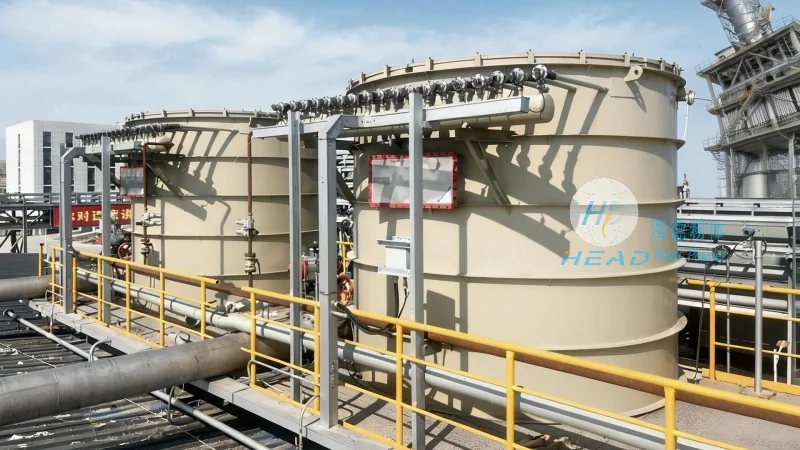
Overview of Pneumatic Conveying Systems for Carbide Slag
Pneumatic conveying systems utilize air or gas to transport bulk materials like carbide slag through a pipeline network. These systems are categorized into two primary modes: positive pressure and negative pressure. The choice between these modes depends on factors such as material characteristics, system layout, and operational requirements. Understanding the technical nuances of each mode is essential for selecting the most suitable solution for specific industrial applications.
Positive Pressure Conveying Mode
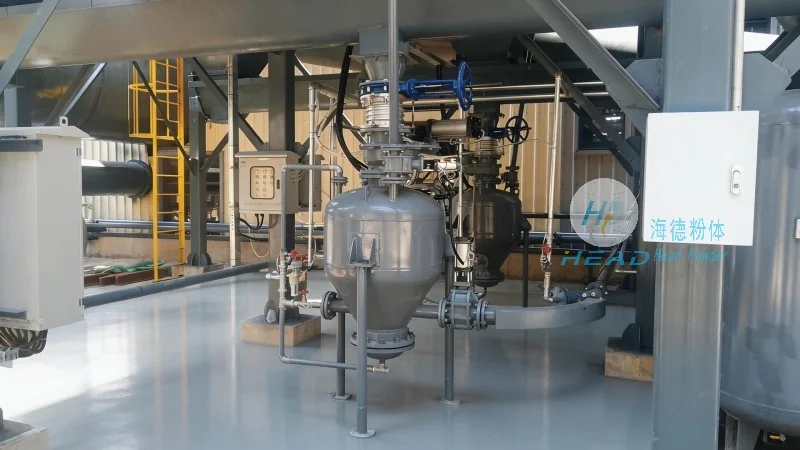
Positive pressure conveying operates by blowing air or gas into the conveying line, creating a pressure higher than the ambient air pressure. This mode is particularly effective for transporting abrasive and sticky materials like carbide slag. The high-pressure air stream propels the material through the pipeline, ensuring consistent flow and minimizing blockages. Shandong HeadPowder Engineering Co., Ltd. specializes in designing and implementing positive pressure systems that are robust and efficient, capable of handling the demanding characteristics of carbide slag.
Negative Pressure Conveying Mode
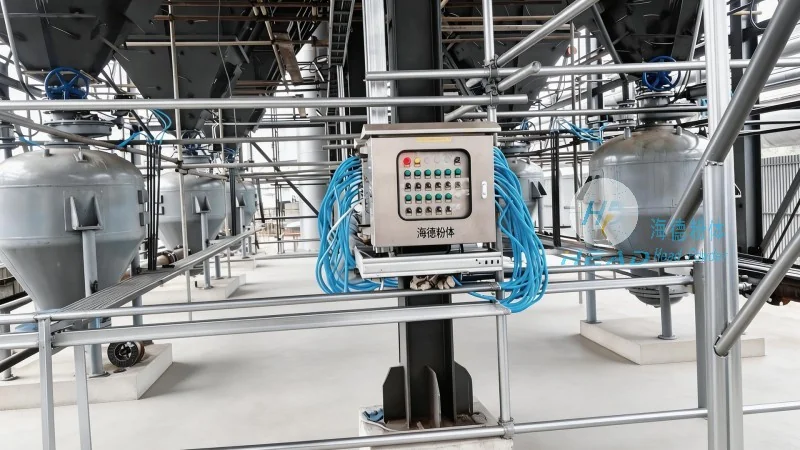
Negative pressure conveying, also known as vacuum conveying, works by creating a vacuum in the receiving hopper or pipeline, drawing material into the system. This mode is often preferred for applications where the material is to be collected from a source or transferred to a lower elevation. The vacuum system is designed to maintain a pressure lower than the ambient air, ensuring the material is drawn into the pipeline without excessive air leakage. For carbide slag, negative pressure systems offer advantages in terms of dust control and material handling at source locations.
Comparison of Positive Pressure vs. Negative Pressure Conveying
When comparing positive and negative pressure conveying for carbide slag, several key factors come into play. Positive pressure systems typically offer higher conveying capacities and are more suitable for long-distance transport, while negative pressure systems excel in dust control and material collection from open sources. The choice of mode also depends on the layout of the facility, with positive pressure systems often requiring more complex air filtration and pressure regulation systems. Shandong HeadPowder Engineering Co., Ltd. conducts thorough technical assessments to determine the optimal conveying mode based on client-specific requirements, ensuring cost-effective and reliable solutions.
Application Scenarios and Practical Considerations
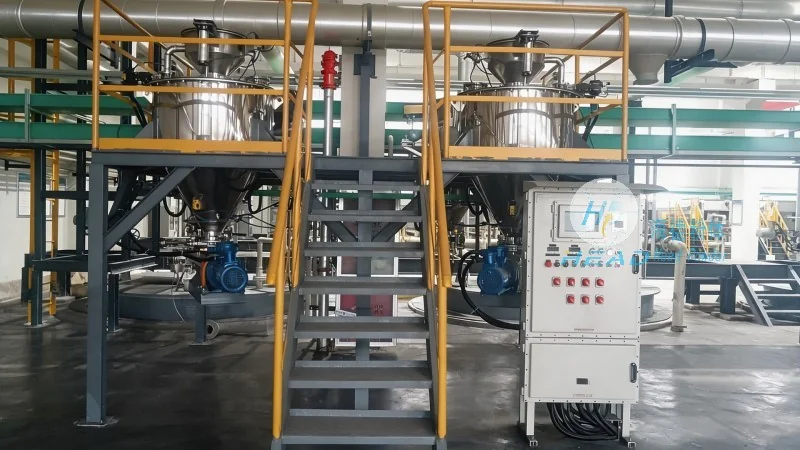
The selection of a pneumatic conveying mode for carbide slag is influenced by various practical considerations. For example, in large-scale industrial plants where material is transported over long distances, positive pressure systems may be more economical due to their higher throughput. Conversely, in applications where dust control is a primary concern, negative pressure systems are preferred. Additionally, the system design must account for the abrasive nature of carbide slag, which requires high-quality materials for pipeline components and wear-resistant equipment. Shandong HeadPowder Engineering Co., Ltd. incorporates these considerations into its engineering designs, ensuring that the selected system meets both operational and maintenance requirements.
Conclusion
In conclusion, the choice between positive pressure and negative pressure pneumatic conveying systems for carbide slag depends on a combination of technical, operational, and economic factors. Positive pressure systems offer higher capacity and suitability for long-distance transport, while negative pressure systems excel in dust control and material collection. Shandong HeadPowder Engineering Co., Ltd. provides comprehensive technical analysis and engineering solutions tailored to the specific needs of industrial clients, ensuring efficient and reliable handling of carbide slag. With its expertise in pneumatic conveying technology, the company continues to deliver innovative solutions that meet the evolving demands of the industry.