A wheat flour pneumatic conveying system is a specialized industrial equipment designed to transport wheat flour and other fine powders through an enclosed pipeline using air or gas as the conveying medium. This technology is widely used in the food processing, pharmaceutical, and chemical industries due to its efficiency, cleanliness, and ability to handle delicate materials without contamination. The system operates by creating a pressure differential within the pipeline, which draws the powder into the conveying line and transports it to the destination. The design of such systems involves several key components and principles that ensure optimal performance and reliability.
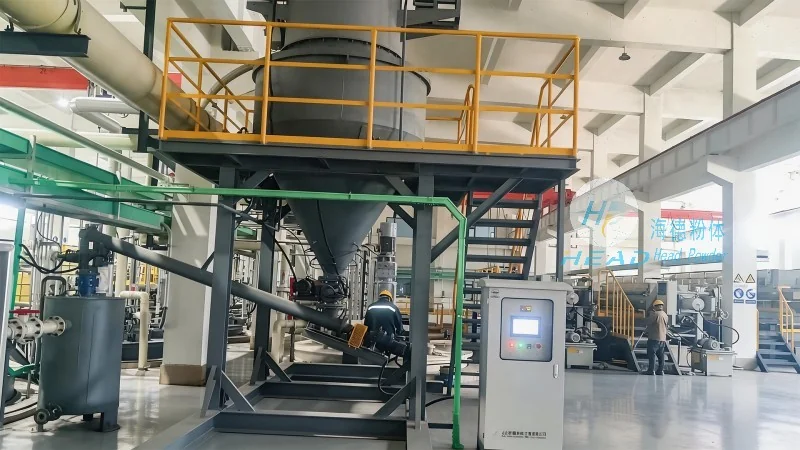
Core Components and Design Principles of Wheat Flour Pneumatic Conveying Systems
The fundamental design of a wheat flour pneumatic conveying system includes a series of interconnected parts that work together to facilitate material transport. The primary components typically consist of a hopper for material storage, a feeder to control the flow rate, a conveying line (often made of stainless steel to prevent corrosion and maintain hygiene), a blower or fan to generate the air flow, and a receiver or discharge hopper at the end of the line. The design principle revolves around creating a consistent and controlled air flow that can effectively lift and move the fine particles of wheat flour. Key design considerations include the material's bulk density, particle size, and flow characteristics, as well as the system's pressure and velocity requirements. Engineers must calculate the appropriate air velocity to prevent particle segregation and ensure smooth transport, often using equations based on the material's properties and the desired conveying distance.
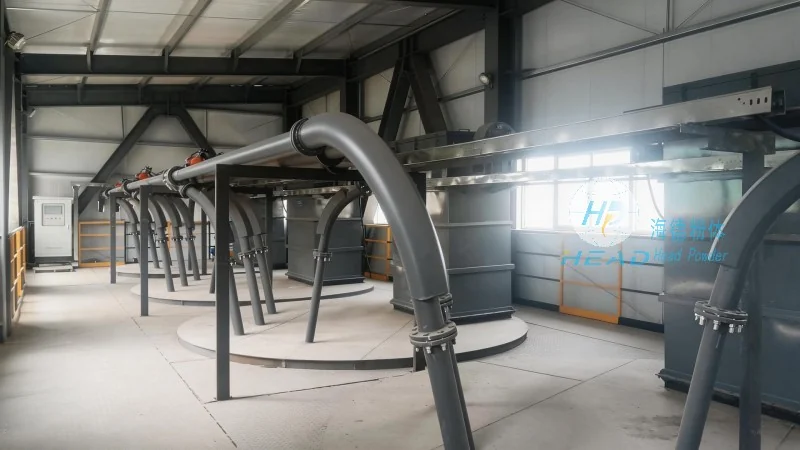
How Pneumatic Conveying Systems Work: The Mechanism Behind Wheat Flour Transport
The operation of a wheat flour pneumatic conveying system begins with the material being fed from the hopper into the conveying line. The feeder, which can be a rotary valve or a screw feeder, controls the amount of flour entering the system, ensuring a steady flow. Simultaneously, the blower generates a high-pressure air stream that enters the conveying line. As the air flows through the line, it creates a negative pressure (or vacuum) at the inlet, which draws the wheat flour particles into the pipeline. The air and flour mixture then travels through the line to the discharge point, where the air is separated from the flour, often using a cyclone separator or a filter. The separated flour is collected in the receiver, while the air is either vented to the atmosphere or recirculated through the system to improve efficiency. This process is continuous and can be operated in either positive pressure or negative pressure modes, depending on the system design and application requirements.
Benefits and Applications of Wheat Flour Pneumatic Conveying Systems
Wheat flour pneumatic conveying systems offer several advantages over traditional mechanical conveying methods. They provide a hygienic and dust-free environment, which is crucial for food products like wheat flour, as it prevents contamination and maintains product quality. The enclosed system also reduces the risk of material spillage and improves workplace safety. Additionally, pneumatic conveying systems can handle long distances and multiple transfer points without the need for intermediate storage, making them ideal for large-scale production facilities. These systems are commonly used in flour mills, bakeries, and food processing plants to transport wheat flour from storage silos to processing lines, or from production areas to packaging stations. The efficiency and reliability of such systems contribute to increased productivity and reduced operational costs for manufacturers.
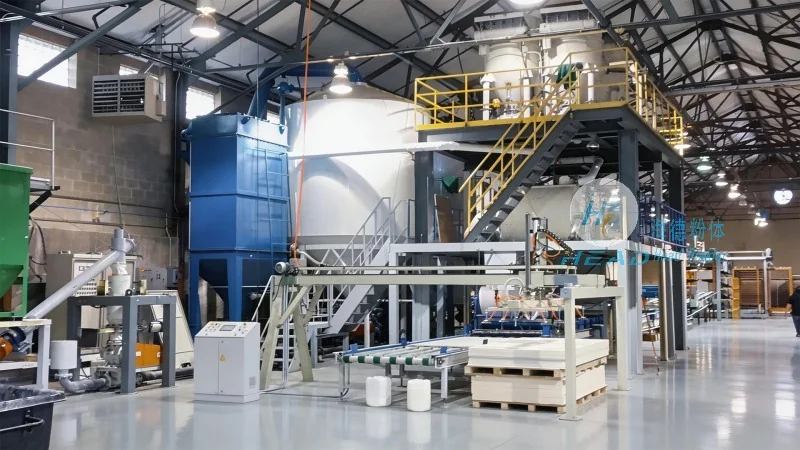
About Shandong HeadPowder Engineering Co., Ltd.
Shandong HeadPowder Engineering Co., Ltd., commonly known as headpowder, is a leading manufacturer specializing in the design, development, and production of pneumatic conveying systems and related industrial equipment. With a focus on innovation and quality, the company provides customized solutions tailored to the specific needs of clients in the food, pharmaceutical, and chemical industries. HeadPowder's expertise lies in creating efficient and reliable wheat flour pneumatic conveying systems that meet stringent industry standards for hygiene, safety, and performance. The company's facilities are located in Shandong, China, where it leverages advanced manufacturing technologies and a skilled workforce to deliver high-quality products to customers worldwide. By combining years of experience with cutting-edge engineering, HeadPowder ensures that its pneumatic conveying systems are not only effective in transporting wheat flour but also contribute to the overall efficiency and profitability of industrial operations.




