

What is a Calcium Lime Pneumatic Conveying System Equipment? What Are Its Design Principles?
Calcium lime, also known as hydrated lime or slaked lime, is a widely used chemical in various industrial applications. The calcium lime pneumatic conveying system equipment is a specialized device designed to transport this material efficiently and safely. This system utilizes air or other gas streams to move the material from one location to another, eliminating the need for traditional bulk handling methods such as trucks or conveyor belts. The equipment is crucial in industries like construction, agriculture, and environmental treatment, where calcium lime is used for pH adjustment, soil stabilization, and waste treatment.
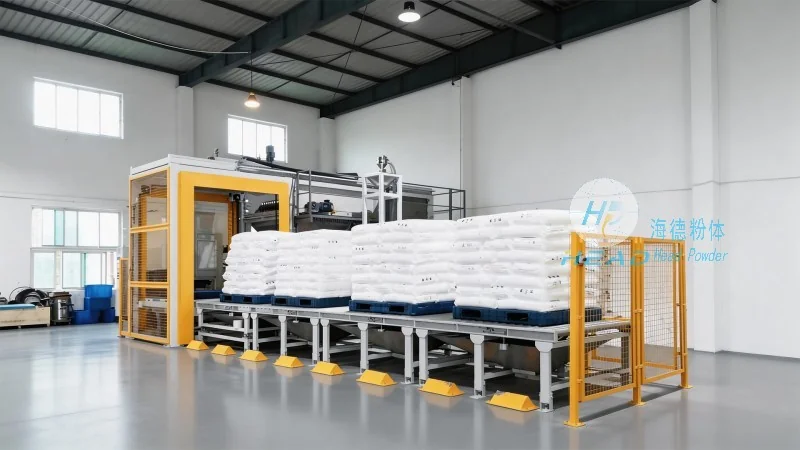
Key Components of the Pneumatic Conveying System
The calcium lime pneumatic conveying system typically consists of several key components that work together to ensure smooth operation. The primary components include a hopper or feeder to store and feed the calcium lime, a conveying line (usually a pipe), a blower or compressor to generate the air or gas flow, and a receiver or discharge unit to collect the material at the destination. Additionally, the system may include a filter to remove dust and moisture from the air, a pressure regulator to control the air pressure, and a control panel to monitor and adjust the system's performance. Each component plays a vital role in maintaining the efficiency and reliability of the entire conveying process.
Design Principles and Operational Mechanism
The design principles of the calcium lime pneumatic conveying system are centered around the principles of fluidization and particle transport. The system operates by creating a high-velocity air stream within the conveying line, which lifts and transports the calcium lime particles. The air velocity must be sufficient to overcome the gravitational force acting on the particles and to maintain a stable flow. The design considers factors such as particle size, density, and moisture content of the calcium lime, as these properties affect the air velocity required for effective transport. The system is also designed to minimize pressure drop and energy consumption, ensuring cost-effective operation. The operational mechanism involves feeding the calcium lime into the hopper, which then discharges it into the conveying line through a feeder. The blower then generates the air flow, which carries the material through the pipe to the receiver. The receiver collects the material and may include a dust collection system to prevent environmental contamination.
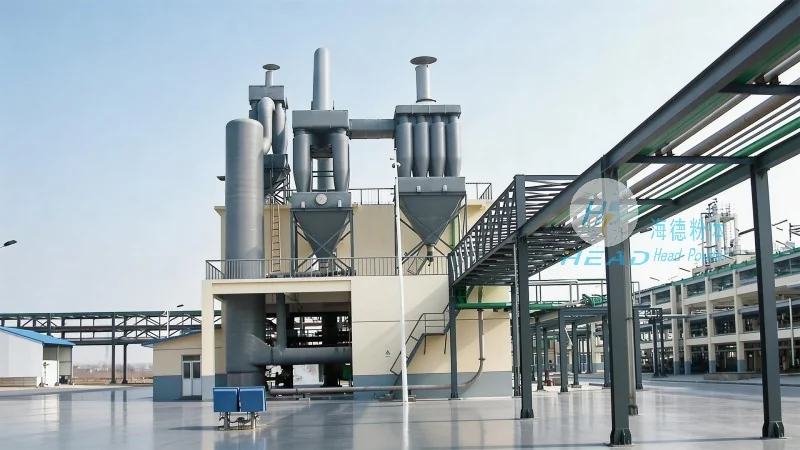
Advantages of Using a Pneumatic Conveying System for Calcium Lime
Compared to traditional handling methods, the calcium lime pneumatic conveying system offers several advantages. First, it provides a dust-free and clean operation, which is essential for maintaining a safe working environment and complying with environmental regulations. Second, the system is highly efficient in terms of material transport, as it can move large quantities of calcium lime over long distances with minimal labor. Third, the system is flexible and can be easily integrated into existing industrial processes, allowing for seamless material transfer. Fourth, the system reduces the risk of material spillage and contamination, which is critical in applications where purity is required. Finally, the system is energy-efficient, as it uses compressed air or gas to transport the material, which can be more cost-effective than other methods.
Applications and Industries Using Calcium Lime Pneumatic Conveying Systems
The calcium lime pneumatic conveying system is widely used in various industries that require the transport of calcium lime. In the construction industry, it is used for soil stabilization and pH adjustment in construction sites. In the agricultural sector, it is used for soil amendment and pest control. In the environmental treatment industry, it is used for wastewater treatment and sludge dewatering. In the chemical industry, it is used as a raw material for the production of other chemicals. The system is also used in the food industry for the production of calcium supplements and in the pharmaceutical industry for the production of calcium-based drugs. The versatility of the calcium lime pneumatic conveying system makes it an essential tool in these industries.
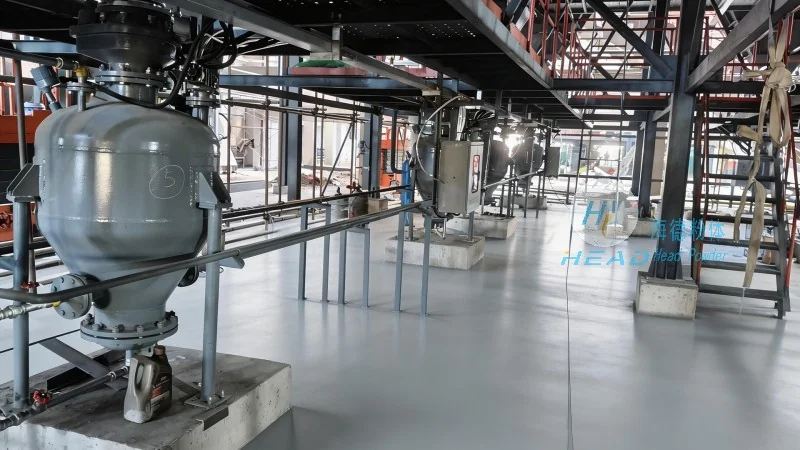
Customization and Integration with Existing Systems
Shandong HeadPowder Engineering Co., Ltd. specializes in designing and manufacturing customized calcium lime pneumatic conveying systems to meet the specific needs of its clients. The company's engineers work closely with clients to understand their requirements and design a system that is tailored to their application. The system can be integrated with existing industrial processes, such as production lines or storage facilities, to ensure seamless material transfer. The company also provides maintenance and support services to ensure the system operates at optimal performance. The customization options include different materials of construction, such as stainless steel or carbon steel, to suit the specific chemical properties of the calcium lime being transported. The system can also be equipped with advanced control systems to monitor and adjust the operation in real-time, ensuring maximum efficiency and safety.
Conclusion and Company Information
The calcium lime pneumatic conveying system equipment is a crucial tool in industries that rely on calcium lime for various applications. The system's design principles and operational mechanism ensure efficient and safe transport of the material. The advantages of using this system include dust-free operation, high efficiency, flexibility, and energy efficiency. The system is widely used in construction, agriculture, environmental treatment, and other industries. Shandong HeadPowder Engineering Co., Ltd. is a leading manufacturer of these systems, providing customized solutions to meet the specific needs of its clients. The company is located in Shandong, China, and is committed to providing high-quality products and services to its customers.