Clay dust, a common byproduct in various industrial processes, requires efficient and reliable handling solutions. The clay dust pneumatic conveying system equipment emerges as a critical technology for transporting these fine particles. This article explores the functionality and design principles of such systems, highlighting their importance in modern industrial applications.
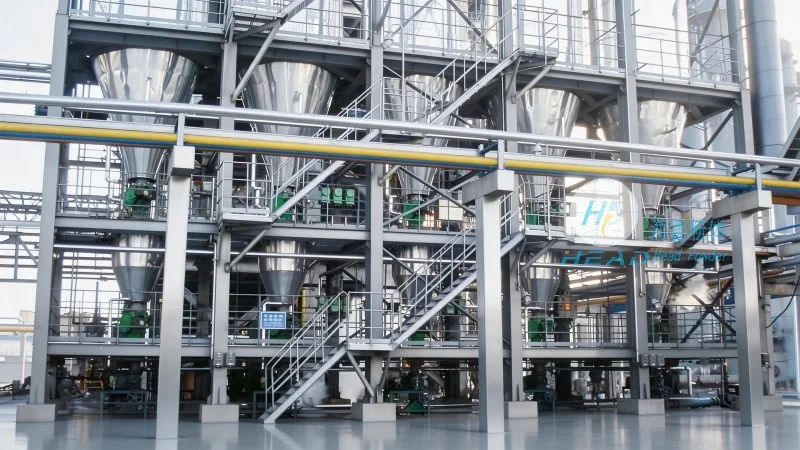
Understanding the Role of Pneumatic Conveying in Clay Dust Management
Industrial operations dealing with clay production, mining, or processing generate significant amounts of clay dust. Traditional methods like manual handling or mechanical conveyors often pose challenges such as dust dispersion, material loss, and operational inefficiencies. Pneumatic conveying systems offer a solution by using air pressure to transport clay dust in a closed system, ensuring minimal environmental impact and consistent material flow. The system is particularly advantageous for handling fine, abrasive, or moisture-sensitive clay particles, which are difficult to manage with conventional equipment.
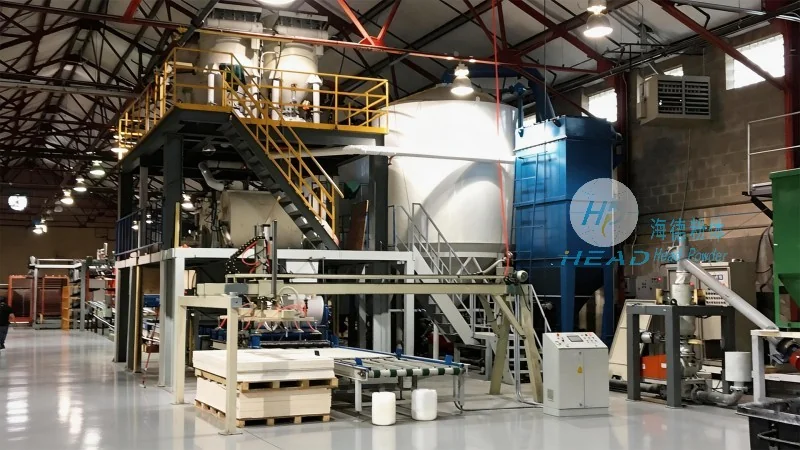
Key Components of a Clay Dust Pneumatic Conveying System
At the core of a clay dust pneumatic conveying system are several essential components that work in tandem to ensure effective operation. These include the hopper or feed hopper, which stores and feeds the clay dust into the system; the air compressor or blower, which generates the necessary air pressure to move the material; the pipeline network, which transports the clay dust from the source to the destination; and the receiver or discharge hopper, where the material is collected. Each component is designed to handle the specific characteristics of clay dust, such as its fine particle size and potential for caking or agglomeration.
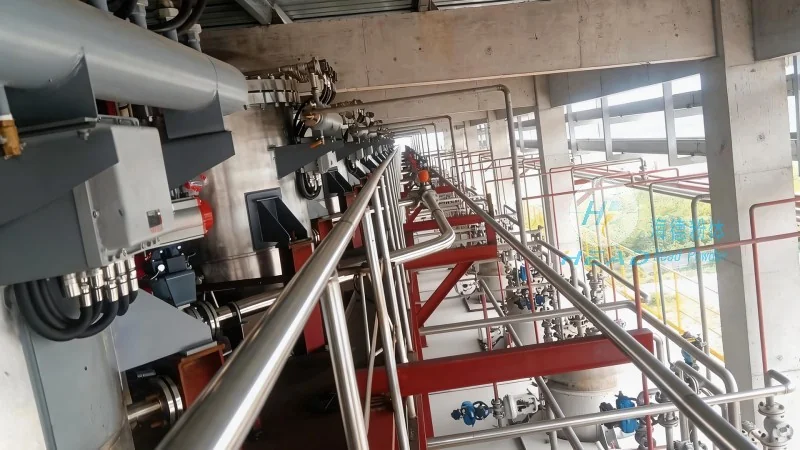
The Design Principles Behind Efficient Clay Dust Conveying
The design of a clay dust pneumatic conveying system follows specific principles aimed at maximizing efficiency, reliability, and safety. One key principle is maintaining a consistent air flow rate and pressure to ensure smooth material transport. This involves calculating the appropriate air velocity to prevent particle settling or blockages in the pipeline. Another principle is the use of appropriate pipeline diameters and materials to minimize friction and pressure drop, which can affect the system's performance. Additionally, the system is designed with features like pulse jets or air locks to prevent material buildup and ensure continuous operation. The design also considers the need for filtration and dust collection to comply with environmental regulations and maintain air quality in the workplace.
Advantages of Using a Clay Dust Pneumatic Conveying System
Implementing a clay dust pneumatic conveying system offers numerous benefits for industrial operations. Firstly, it provides a dust-free environment, reducing health hazards associated with inhalation of clay dust particles. This enhances workplace safety and compliance with occupational health standards. Secondly, the system minimizes material loss and contamination, as the closed system prevents dust from escaping into the environment or being mixed with other materials. Thirdly, it improves operational efficiency by enabling continuous and automated material transport, reducing downtime and labor costs. Furthermore, the system is versatile and can handle various clay types and particle sizes, making it suitable for diverse industrial applications. The investment in such a system can lead to long-term cost savings and improved productivity.
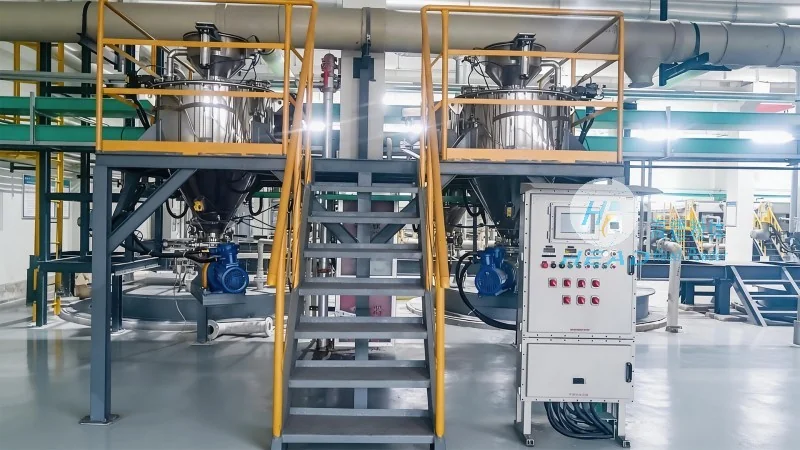
Conclusion and Company Overview
In conclusion, the clay dust pneumatic conveying system equipment is a vital technology for managing clay dust in industrial settings. Its design principles, focusing on efficient air flow, material handling, and environmental compliance, make it an ideal solution for modern operations. As a leading provider in this field, Shandong HeadPowder Engineering Co., Ltd. specializes in designing and manufacturing high-quality pneumatic conveying systems tailored to the specific needs of clients. With a commitment to innovation and quality, the company ensures that its systems meet the highest standards of performance and reliability. Based in Shandong, China, HeadPowder continues to serve industries worldwide with advanced solutions for clay dust management, contributing to safer and more efficient industrial processes.




