

The Operation Process and Working Principle of Bicarbonate Powder Pneumatic Conveying Machine
Shandong HeadPowder Engineering Co., Ltd., situated in Shandong, China, specializes in the design, manufacturing, and application of advanced pneumatic conveying systems. This article provides a detailed overview of the operation process and working principle of a bicarbonate powder pneumatic conveying machine, highlighting the technical aspects and practical implementation of this equipment.
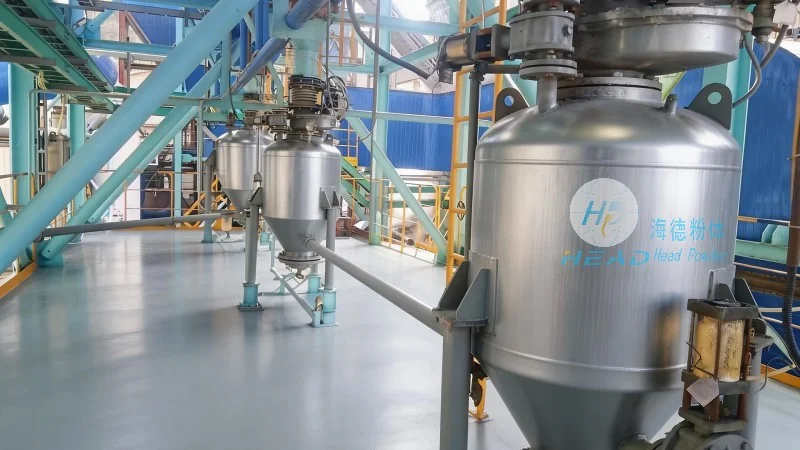
Overview of the Bicarbonate Powder Pneumatic Conveying Machine
The bicarbonate powder pneumatic conveying machine is a specialized device used for the efficient transport of fine powders, such as sodium bicarbonate, through a pipeline using compressed air. This system is widely adopted in industrial settings due to its ability to handle delicate materials without causing degradation or contamination. The machine comprises several key components, including a hopper for material storage, a rotary valve for controlled feeding, a conveying line, and a receiver for material discharge. Each component plays a crucial role in ensuring the smooth and reliable operation of the system.
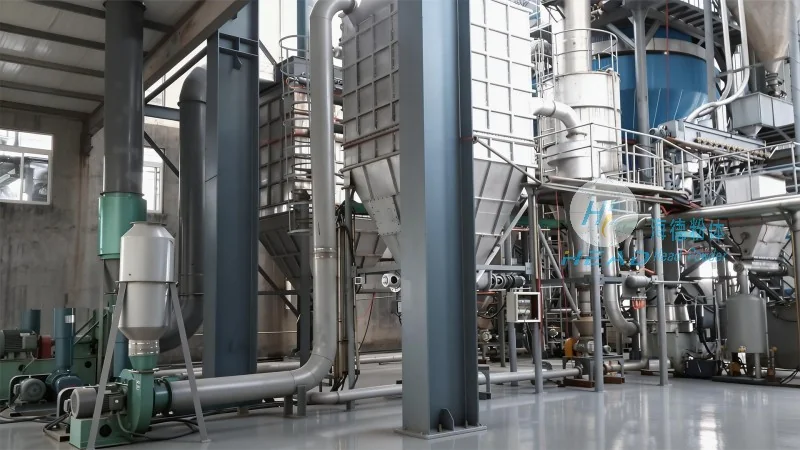
Working Principle of the Pneumatic Conveying System
The core principle of the pneumatic conveying machine is the use of compressed air to create a flow that transports the powder particles through the pipeline. In the hopper, the bicarbonate powder is stored and fed into the system via a rotary valve, which regulates the flow rate to maintain consistent pressure and velocity in the conveying line. The compressed air is introduced at the inlet of the pipeline, creating a high-velocity air stream that lifts and propels the powder particles forward. The air and powder mixture travels through the pipeline, with the powder being suspended and transported to the receiver. The receiver is equipped with a filter and a pressure relief valve to separate the powder from the air and prevent overpressure conditions.
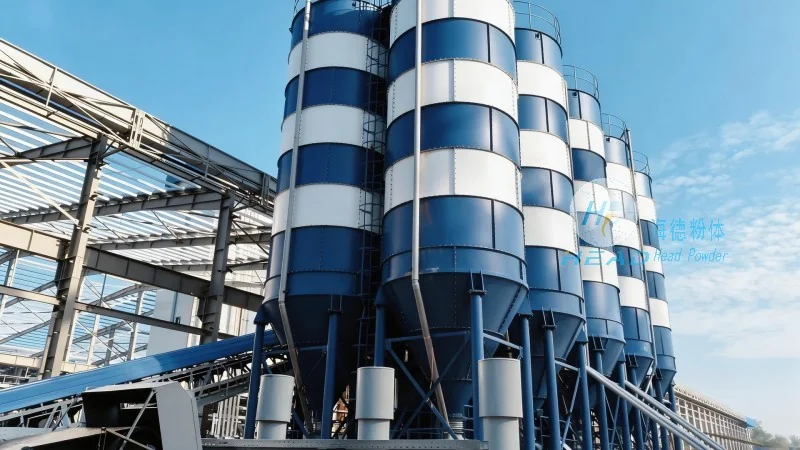
Step-by-Step Operation Process
The operation of the bicarbonate powder pneumatic conveying machine follows a systematic sequence to ensure efficient material transport. Initially, the hopper is filled with the required amount of sodium bicarbonate powder. The rotary valve is then activated to allow the powder to flow into the conveying line at a controlled rate. Simultaneously, the compressed air is turned on, creating a pressure differential that drives the powder particles through the pipeline. As the mixture moves along the pipeline, the air velocity is maintained at an optimal level to prevent particle deposition or blockage. Upon reaching the receiver, the air is filtered and the powder is collected in the discharge hopper. The system continues to operate until the hopper is empty or the desired quantity has been transported. The entire process is automated, with sensors and control systems monitoring pressure, flow rate, and other parameters to ensure stable and efficient operation.
Key Components and Their Functions
Several critical components are integral to the performance of the bicarbonate powder pneumatic conveying machine. The hopper serves as the storage vessel, providing a large capacity to accommodate the bulk material. The rotary valve acts as a controlled feeding mechanism, preventing material from flowing back into the hopper and maintaining a consistent feed rate. The conveying line, typically made of stainless steel or other corrosion-resistant materials, ensures the safe and efficient transport of the powder. The receiver is designed to collect the transported material and separate it from the air, with a filter system to remove any fine particles that may have escaped. Additionally, pressure sensors and control valves are used to regulate the air pressure and flow, ensuring the system operates within safe and optimal parameters.
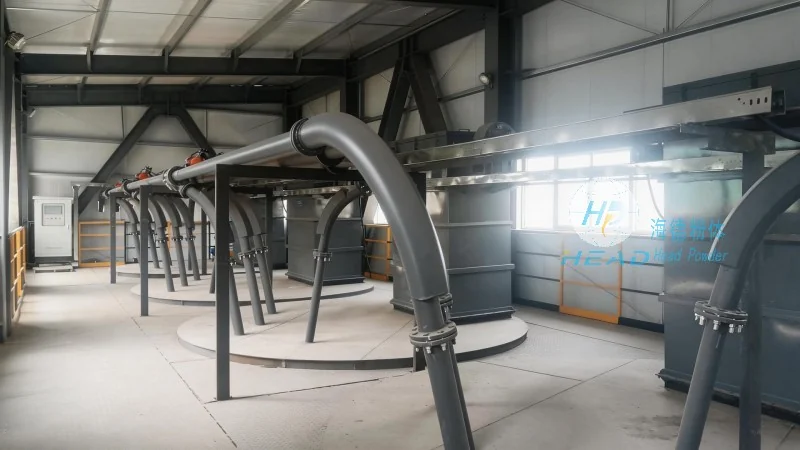
Advantages of Using a Pneumatic Conveying Machine for Bicarbonate Powder
The use of a pneumatic conveying machine for transporting bicarbonate powder offers several advantages over traditional methods, such as bucket elevators or belt conveyors. Firstly, it eliminates the need for mechanical contact with the powder, reducing the risk of contamination and degradation. The enclosed system prevents dust emissions, making it suitable for applications where environmental control is essential. Secondly, the system is highly flexible, allowing for changes in the conveying distance or direction without significant modifications. The ability to transport the powder in a continuous flow enhances production efficiency and reduces downtime. Finally, the automated operation of the machine minimizes the need for manual labor, improving safety and reducing operational costs.