

Operation Process and Working Principle of Dry Sludge Powder Pneumatic Conveying Machine
For industrial facilities dealing with sludge management, efficient and reliable transportation of dry sludge powder is crucial. The dry sludge powder pneumatic conveying machine, offered by Shandong HeadPowder Engineering Co., Ltd., provides an advanced solution for handling this challenging material. This article will explore the operation process and working principle of such a system, highlighting its key components and operational efficiency.
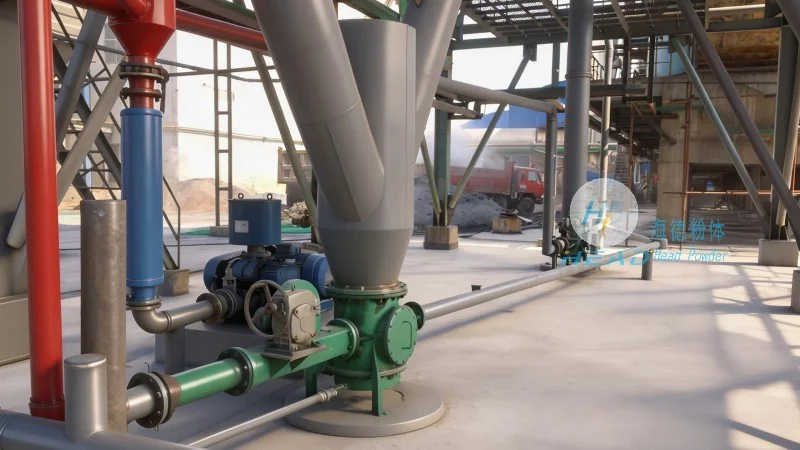
Key Components of the Pneumatic Conveying Machine
The dry sludge powder pneumatic conveying machine consists of several essential components that work in tandem to ensure smooth material transport. These include the hopper for material storage, the air compressor to generate the necessary air pressure, the conveying pipeline, and the control system. Each component plays a vital role in the overall functionality of the system. The hopper is designed to hold the dry sludge powder, ensuring a consistent feed to the conveying process. The air compressor generates the airflow that propels the powder through the pipeline, while the control system monitors and adjusts the pressure and flow rates as needed. The conveying pipeline, typically made of durable materials like stainless steel or PVC, is designed to withstand the abrasive nature of the sludge powder and maintain airtight integrity.
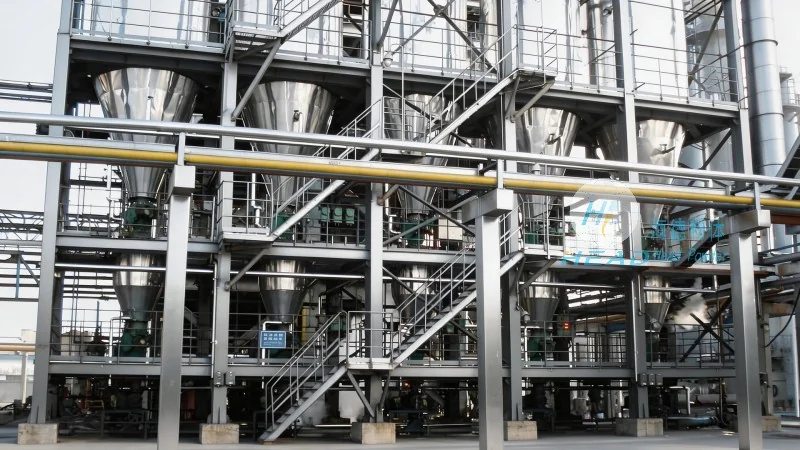
Working Principle of the Pneumatic Conveying Process
The working principle of the dry sludge powder pneumatic conveying machine is based on the principle of pneumatic transport, where the material is suspended and transported by an air stream. When the system is activated, the air compressor starts and generates high-pressure air. This air is then introduced into the hopper, where it creates a negative pressure or positive pressure depending on the system design. The dry sludge powder is then drawn or pushed through the pipeline by the air flow. The material is carried as a suspension, with the air providing the necessary force to overcome the gravitational and frictional forces that would otherwise impede movement. The conveying process can be either positive pressure or negative pressure, with positive pressure systems being more common for long-distance or high-capacity applications. The control system continuously monitors the pressure and flow rates, adjusting the air supply to maintain optimal conveying conditions. This ensures that the sludge powder is transported efficiently and without clogging or loss of material.
Operation Process of the Dry Sludge Powder Pneumatic Conveying Machine
The operation process of the dry sludge powder pneumatic conveying machine involves several steps to ensure proper and safe operation. First, the hopper is filled with dry sludge powder, and the system is checked for any leaks or obstructions in the pipeline. The air compressor is then started, and the control system is activated. The system begins to generate the air flow, and the sludge powder is drawn from the hopper into the pipeline. As the powder moves through the pipeline, it is suspended by the air stream and transported to the destination, such as a storage tank or processing unit. The control system continuously monitors the pressure and flow rates, adjusting the air supply as needed to maintain consistent conveying. When the sludge powder reaches the destination, the air flow is reduced or stopped, and the material is discharged. The system is then shut down and maintained as per the manufacturer's guidelines. The operation process is designed to be automated, with minimal human intervention required, ensuring high efficiency and reliability. The system can be integrated with other equipment, such as drying or processing units, to form a complete sludge management system.
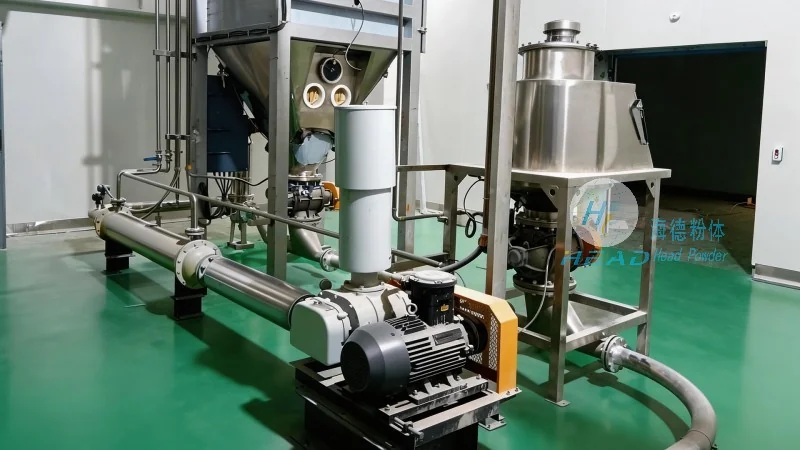
Advantages of Using a Dry Sludge Powder Pneumatic Conveying Machine
There are several advantages to using a dry sludge powder pneumatic conveying machine for sludge transportation. One of the primary advantages is the ability to transport the material over long distances without the need for intermediate storage or handling. The system is also highly efficient, with minimal material loss and low energy consumption compared to traditional methods like truck transport or belt conveyors. The dry sludge powder is transported in a dust-free environment, reducing the risk of contamination and improving safety in the workplace. Additionally, the system is compact and can be installed in limited spaces, making it suitable for facilities with space constraints. The dry sludge powder pneumatic conveying machine also offers flexibility in terms of material handling, as it can transport various types of dry sludge powder with different properties. The system is easy to maintain and repair, with accessible components that can be replaced or serviced quickly. Overall, the dry sludge powder pneumatic conveying machine provides a cost-effective and reliable solution for sludge management, improving the efficiency and safety of industrial operations.