

The Operation Process and Working Principle of Oat Flour Pneumatic Conveying
HeadPowder, a leading provider in the field of powder handling technology, specializes in the design, manufacturing, and implementation of pneumatic conveying systems tailored for various industrial applications, including the efficient transport of oat flour. This article delves into the operational mechanics and underlying principles that govern the pneumatic conveying of oat flour, offering a comprehensive understanding of how such systems function to ensure reliable and efficient material handling.
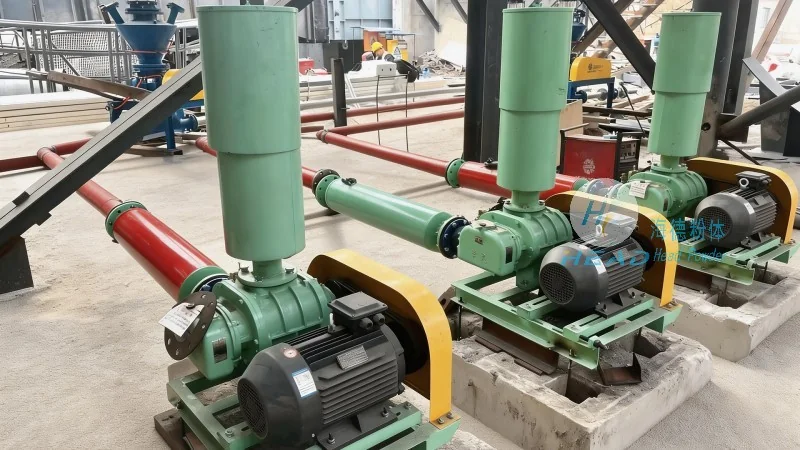
At the core of pneumatic conveying systems is the use of air as the primary medium to transport bulk materials like oat flour. The process involves several key components and steps that work in tandem to achieve seamless material movement. The system typically comprises a hopper for material storage, a conveyor line where the material is transported, and a receiver for the discharged material. Additionally, auxiliary components such as airlocks, filters, and vacuum or pressure units are integrated to control the flow and maintain system integrity.
One of the primary methods employed in oat flour pneumatic conveying is the pressure system. In this configuration, compressed air is used to push the material through the conveying line. The process begins with the material being fed from the hopper into the conveying line under the influence of the air pressure. The air, under pressure, creates a flow that propels the oat flour particles forward. This method is particularly effective for short to medium distances and is suitable for handling materials that are free-flowing and non-abrasive, which is characteristic of oat flour.
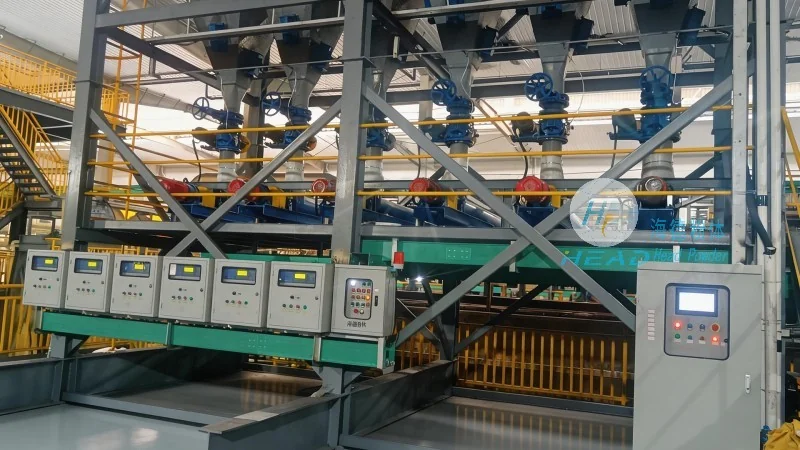
The working principle of the pressure system revolves around the generation of sufficient air pressure to overcome the gravitational and frictional forces acting on the material particles. The air pressure is maintained at a level that ensures the material remains suspended within the conveying line, preventing blockages and ensuring a consistent flow rate. The system is equipped with pressure regulators and valves to control the air pressure, allowing for adjustments based on the material characteristics and conveying distance.
In contrast, the vacuum system utilizes suction to draw the material from the source into the conveying line. This method is often employed for longer distances or when the material needs to be transported from a lower elevation to a higher one. The vacuum system operates by creating a negative pressure within the conveying line, which pulls the oat flour particles from the hopper into the system. The material is then carried through the line by the air flow generated by the vacuum pump.
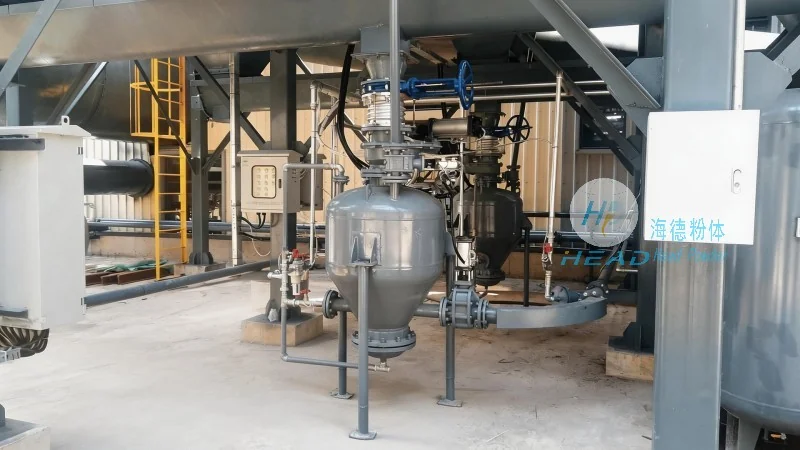
The vacuum system's effectiveness depends on the ability to maintain a consistent vacuum level and sufficient air velocity to keep the material in suspension. The system includes components like vacuum pumps, filters, and airlocks to manage the air flow and prevent material loss or contamination. The design of the conveying line, including the diameter and length, is critical to ensure that the air velocity remains high enough to prevent particle settling and maintain the flow.
Both pressure and vacuum systems require careful consideration of the material properties of oat flour. Oat flour is a fine, free-flowing powder with low bulk density, which can affect the conveying efficiency. The system must be designed to handle these characteristics, ensuring that the air velocity is optimized to prevent clogging and maintain a stable flow. The use of appropriate materials for the conveying line, such as stainless steel or food-grade plastics, is essential to prevent contamination and ensure the quality of the oat flour remains intact.
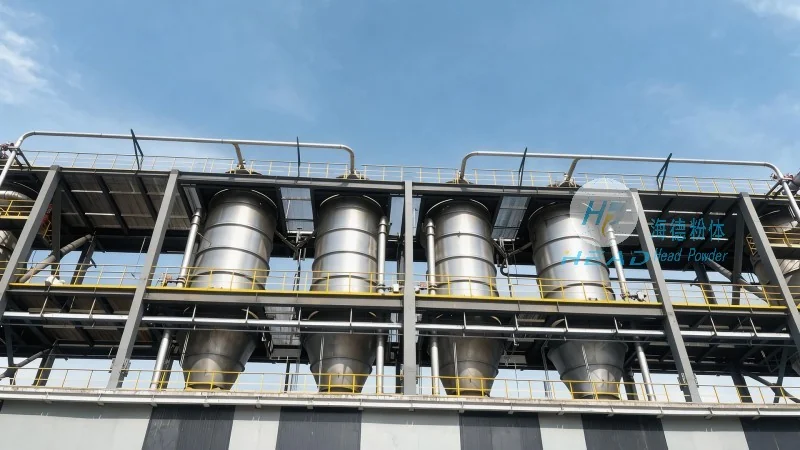
HeadPowder's expertise lies in customizing pneumatic conveying systems to meet the specific needs of oat flour handling. The company considers factors such as the volume of material to be transported, the distance between the source and destination, and the required flow rate when designing the system. By integrating advanced control systems and monitoring tools, HeadPowder ensures that the pneumatic conveying process is efficient, reliable, and safe. The company's commitment to quality and innovation has made it a trusted partner for industries relying on the consistent and efficient transport of oat flour.
Shandong HeadPowder Engineering Co., Ltd., based in China, leverages decades of experience in powder handling technology to deliver tailored solutions for the pneumatic conveying of oat flour. The company's facilities and technical team are equipped to handle the complexities of oat flour processing, ensuring that the systems are designed to meet the highest standards of performance and reliability. With a focus on customer satisfaction and long-term partnerships, HeadPowder continues to advance the technology of pneumatic conveying, providing solutions that enhance the efficiency and safety of oat flour handling operations.