

The Operation Process and Working Principle of Cement Clinker Powder Pneumatic Conveying
Understanding the operation process and working principle of cement clinker powder pneumatic conveying is crucial for optimizing material handling in cement production facilities. This technology efficiently transports fine powders like cement clinker through a pipeline using air as the conveying medium, offering advantages such as reduced equipment wear, lower energy consumption, and enhanced safety compared to traditional mechanical methods. The system is widely adopted in the cement industry due to its ability to handle high volumes of material with minimal maintenance and operational complexity.
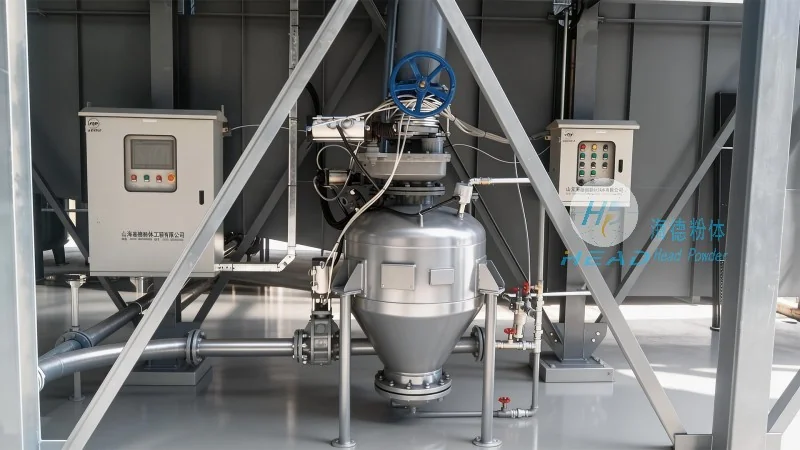
About HeadPowder Engineering Co., Ltd.
HeadPowder, a leading provider in the field, specializes in designing and manufacturing advanced pneumatic conveying systems tailored for cement and other industrial powders. With a strong presence in Shandong, China, the company leverages years of expertise to deliver reliable solutions that meet the demanding requirements of modern cement production. The company’s commitment to quality and innovation has established it as a trusted partner for businesses seeking efficient and sustainable material handling solutions.
The Operation Process of Cement Clinker Powder Pneumatic Conveying
The operation process of cement clinker powder pneumatic conveying involves several key steps that ensure efficient and continuous material transport. First, the cement clinker is fed into the conveying system from a storage silo or hopper. The material is then drawn into the pipeline by a high-pressure air stream generated by a positive displacement blower or a rotary lobe pump. As the air and powder mixture travels through the pipeline, it passes through various components including elbows, tees, and filters to maintain system integrity and prevent material deposition. The conveying system typically includes a receiver tank at the destination where the powder is separated from the air and collected for further processing. The air is then filtered and recycled back into the system to minimize waste and energy consumption. The entire process is controlled by a programmable logic controller (PLC) that monitors pressure, flow rate, and other parameters to ensure optimal performance. Operators can adjust the system settings in real-time to accommodate changes in material feed rate or pipeline conditions, ensuring consistent and reliable operation.
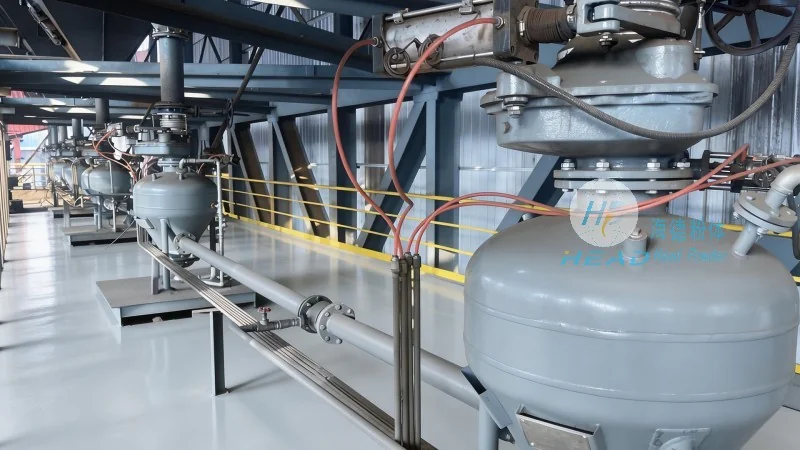
The Working Principle of Cement Clinker Powder Pneumatic Conveying
The working principle of cement clinker powder pneumatic conveying is based on the interaction between the material particles and the air flow. In a positive pressure system, the blower creates a high-pressure air stream that propels the powder particles through the pipeline. The air velocity must be sufficient to overcome the gravitational forces and frictional resistance of the particles, ensuring stable and continuous transport. The system design considers factors such as particle size, density, and moisture content to optimize the air flow rate and pressure. Additionally, the use of air classifiers and cyclones in the system helps to separate fine particles from larger ones, improving the overall efficiency of the conveying process. The separation process occurs as the air stream slows down in the receiver tank, allowing larger particles to settle and be collected, while the air is filtered and returned to the blower for reuse. This closed-loop system reduces energy consumption and minimizes environmental impact by preventing dust emissions and material loss.
Key Components and Their Roles
Several critical components are integral to the successful operation of a cement clinker powder pneumatic conveying system. The blower or pump is the primary source of air pressure, providing the necessary force to move the material through the pipeline. The feeding device, such as a rotary valve or screw feeder, ensures a consistent and controlled flow of cement clinker into the system, preventing blockages and maintaining system stability. The pipeline system, typically made of stainless steel or other corrosion-resistant materials, is designed to withstand the pressure and abrasive nature of the powder. Elbows and tees are strategically placed to direct the flow and minimize turbulence, while filters and cyclones are used to separate the powder from the air and protect downstream equipment. The receiver tank is a critical component for collecting the conveyed material and providing a buffer for variations in feed rate. The control system, including sensors and a PLC, monitors and adjusts the operation of all components to ensure optimal performance and safety.
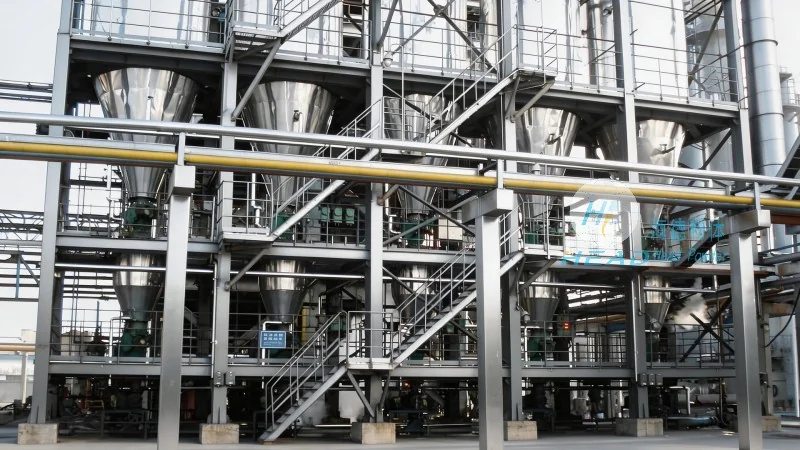
Advantages and Applications
Cement clinker powder pneumatic conveying offers several advantages over traditional mechanical conveying methods. The system is highly efficient in terms of energy consumption, as the air is recycled and reused, reducing the need for additional power. It also minimizes equipment wear and maintenance, as there are fewer moving parts and less contact between the material and equipment. The process is also safer, as it eliminates the need for manual handling of powders and reduces the risk of dust explosions. These advantages make the technology ideal for applications in cement production, where large volumes of clinker need to be transported between storage, grinding, and packaging facilities. Additionally, the system can be adapted to handle other industrial powders, such as fly ash, limestone, and gypsum, making it a versatile solution for various industries.
Conclusion
In conclusion, the operation process and working principle of cement clinker powder pneumatic conveying are essential for modern cement production facilities seeking efficient and sustainable material handling solutions. HeadPowder Engineering Co., Ltd., with its headquarters in Shandong, China, provides advanced pneumatic conveying systems that leverage this technology to deliver reliable and cost-effective solutions. By understanding the key components and operational steps, businesses can optimize their material transport processes and improve overall productivity. The continued development and adoption of pneumatic conveying technology will likely play a significant role in the future of industrial material handling, particularly in the cement industry.