

Preventing Pipeline Blockages in Magnesia Conveying with Pneumatic Systems: Key Design Parameters
For industries dealing with magnesia, an efficient and reliable material handling solution is crucial. Pneumatic conveying systems offer a viable method to transport magnesia, but a common challenge is the risk of pipeline blockages. These blockages can lead to operational disruptions, increased maintenance costs, and reduced productivity. Understanding and implementing the right design parameters is essential to mitigate these risks and ensure smooth operation. This article explores effective strategies to prevent pipeline blockages in magnesia conveying using pneumatic systems, along with key design considerations.
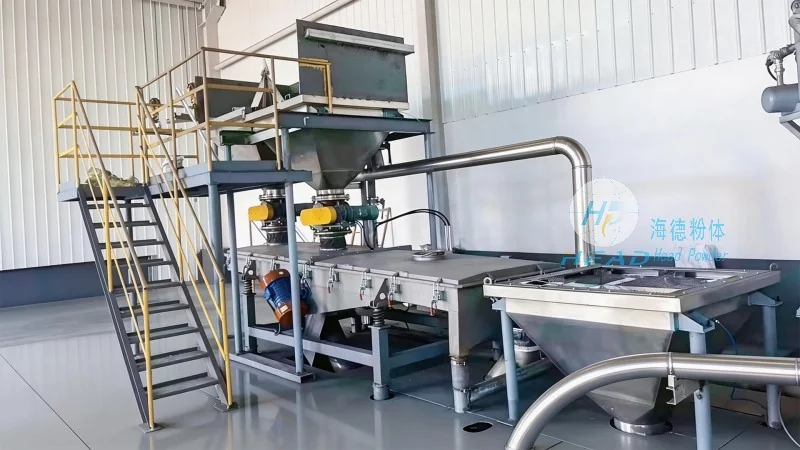
Understanding the Risks of Pipeline Blockages in Magnesia Conveying
Magnesia, a widely used refractory material, often presents unique challenges during transport due to its physical properties. Its fine particle size, high moisture content, or tendency to agglomerate can contribute to blockages in pneumatic conveying lines. When particles stick together or adhere to the pipe walls, the flow rate decreases, and the system may eventually stop. This not only causes downtime but also increases the risk of equipment damage. Therefore, addressing the root causes of blockages is a priority for any magnesia handling operation.
Key Design Parameters for Preventing Blockages
Several critical design parameters must be considered when designing a pneumatic conveying system for magnesia to minimize the risk of blockages. These parameters are tailored to the specific characteristics of the material and the operational requirements of the plant.
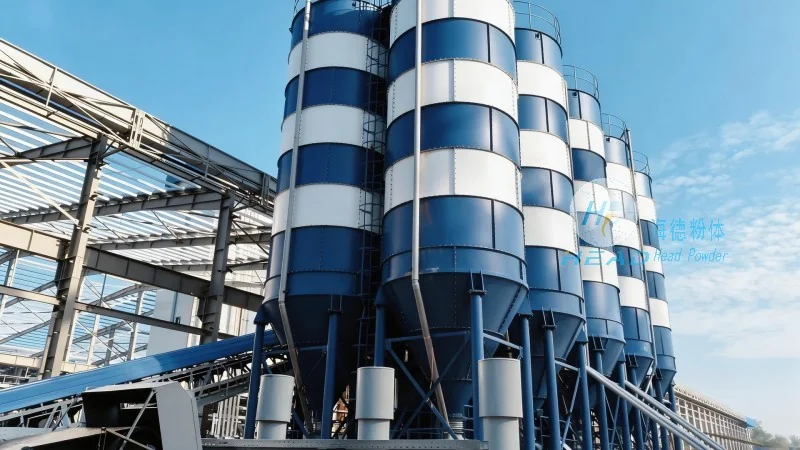
System Pressure and Flow Rate
The pressure and flow rate of the pneumatic system are fundamental factors in preventing blockages. Higher pressure can help maintain a consistent flow, reducing the likelihood of particles settling or sticking together. However, excessive pressure may lead to increased wear on components and higher energy consumption. The optimal pressure is typically determined by the particle size, density, and the distance the material needs to travel. For magnesia, a pressure range of 5 to 15 bar is common, depending on the system layout and the required conveying distance. Maintaining a steady flow rate is also crucial; fluctuations can cause uneven distribution of material, leading to localized blockages.
Pipeline Diameter and Length
The diameter of the conveying pipeline and its length directly impact the risk of blockages. Larger diameter pipes reduce the velocity of particles, which can help prevent abrasion and wear but may increase the risk of settling if the flow rate is too low. Conversely, smaller diameter pipes can increase the velocity, promoting better suspension but may lead to higher pressure drops and potential blockages if the material is too fine. The length of the pipeline is also a factor; longer lines require higher pressure to maintain flow, and the risk of blockages increases with distance. Proper sizing of the pipeline, based on the material's properties and the system's capacity, is essential to avoid these issues.
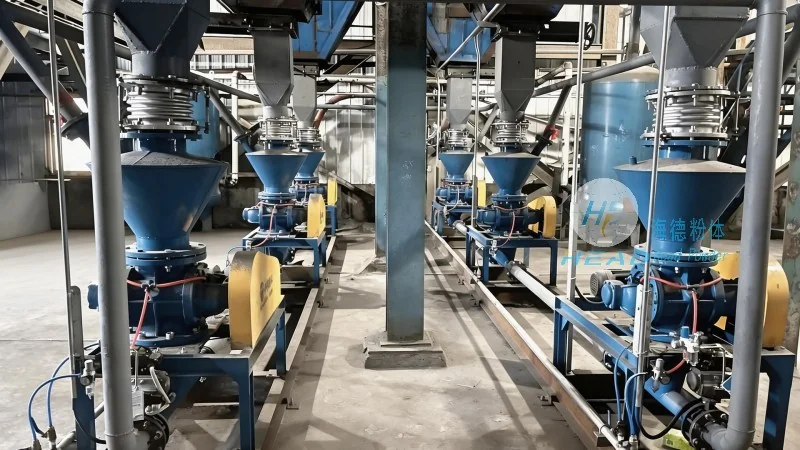
Material Characteristics and Conditioning
The physical and chemical properties of magnesia significantly influence the design of the pneumatic system. Particle size distribution, density, and moisture content are key factors. Fine particles are more prone to agglomeration, which can cause blockages. Conditioning the material, such as drying or adding anti-caking agents, can improve flowability and reduce the risk of blockages. Additionally, the use of pre-screening or classification equipment can help remove oversized particles that may cause wear or blockages in the system. Understanding the material's behavior under different conditions is crucial for selecting the appropriate system design.
Gas-Solid Ratio and Air Quality
The gas-solid ratio, which is the ratio of air volume to material volume, is a critical parameter in pneumatic conveying. An optimal gas-solid ratio ensures that the material is fully suspended and transported efficiently. If the ratio is too low, particles may not be fully entrained, leading to settling and blockages. Conversely, an excessively high ratio increases energy consumption and may cause excessive wear on the system components. The air quality is also important; clean, dry air is recommended to prevent moisture-related issues that can affect the material's properties and increase the risk of blockages.
System Layout and Valve Selection
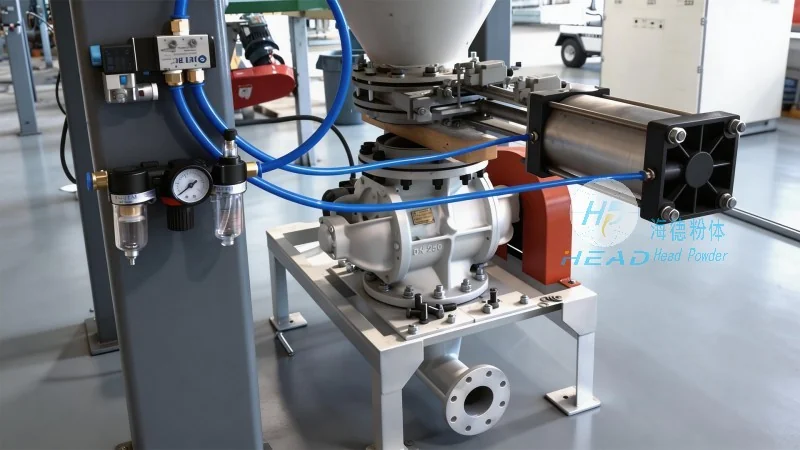
The layout of the pneumatic conveying system, including the position of the feed point, collection point, and any intermediate valves, plays a role in preventing blockages. Properly designed bends and elbows can help maintain flow and reduce the risk of particle accumulation. The selection of valves, such as rotary valves or slide gates, is also important. Rotary valves are commonly used for feeding material into the system, as they provide a consistent flow and prevent air leakage. However, they must be properly sized and maintained to avoid blockages. The use of check valves and pressure relief valves can also help protect the system from overpressure and potential blockages.
Maintenance and Monitoring
Even with proper design, regular maintenance and monitoring are essential to prevent pipeline blockages. Regular cleaning of the pipeline and components, such as filters and cyclones, can help remove accumulated material and prevent blockages. Monitoring the system's performance, including pressure, flow rate, and temperature, can help identify potential issues before they become major problems. Additionally, training operators on the proper operation and maintenance of the system can improve overall efficiency and reduce the risk of blockages.
Conclusion
Preventing pipeline blockages in magnesia conveying with pneumatic systems requires a comprehensive approach that considers various design parameters and operational factors. By optimizing system pressure, pipeline dimensions, material characteristics, and system layout, industries can significantly reduce the risk of blockages and ensure smooth operation. HeadPowder, a leading provider of material handling solutions, offers expert guidance and customized systems tailored to the specific needs of magnesia handling operations. With their expertise in pneumatic conveying technology, HeadPowder helps clients achieve efficient, reliable, and safe material transport, minimizing downtime and maximizing productivity.