

Principle and Working Scene Characteristics of Alumina Crystal Pneumatic Conveying Systems
HeadPowder, a leading provider in the field of material handling solutions, specializes in the design and implementation of advanced pneumatic conveying systems for industrial applications. This article delves into the fundamental principles and operational characteristics of alumina crystal pneumatic conveying systems, highlighting their efficiency and adaptability in various industrial settings.
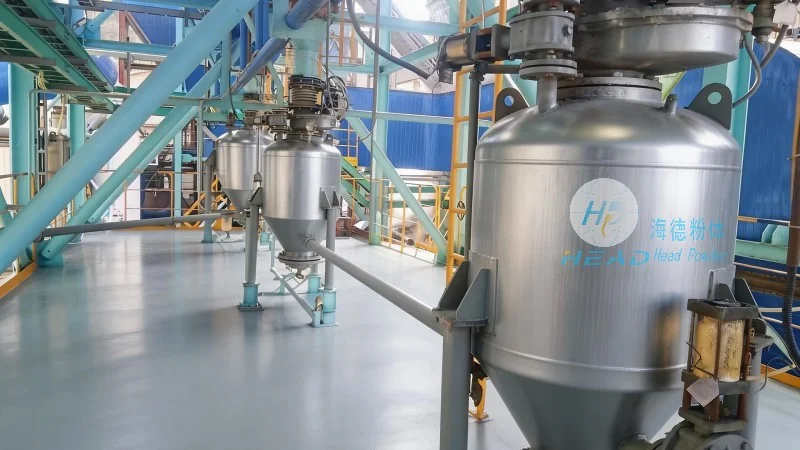
Introduction to Alumina Crystal Pneumatic Conveying Systems
Alumina crystals, a critical component in the production of high-purity aluminum and other industrial materials, require specialized handling methods to ensure minimal loss and contamination. Pneumatic conveying systems offer a non-contact, dust-free, and efficient means of transporting these delicate and abrasive materials. HeadPowder Engineering, based in Shandong, China, has developed cutting-edge solutions tailored to the unique challenges of alumina crystal transport.
Company Overview: HeadPowder Engineering Co., Ltd.
HeadPowder Engineering Co., Ltd. is a professional engineering firm dedicated to providing comprehensive material handling solutions. With a strong presence in Shandong, China, the company leverages decades of industry experience to design, manufacture, and install pneumatic conveying systems that meet the stringent requirements of modern industrial operations. The company’s commitment to quality and innovation has positioned it as a trusted partner for clients seeking reliable and efficient material transport solutions.
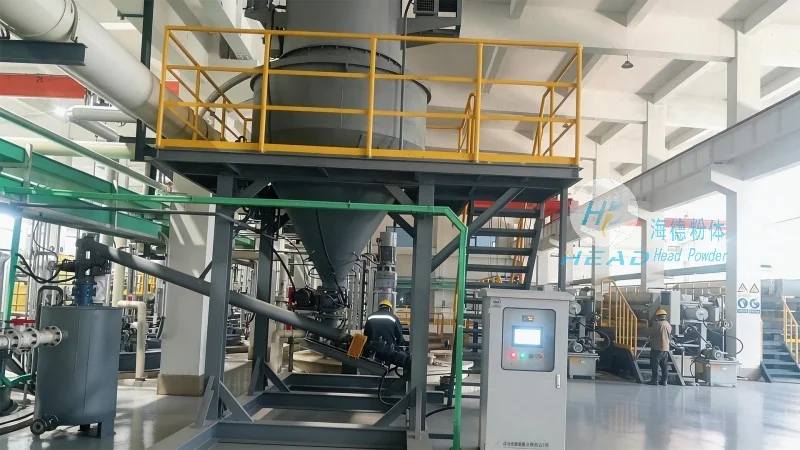
Working Principle of the Pneumatic Conveying System
The core principle of alumina crystal pneumatic conveying systems involves the use of compressed air to transport solid particles through a pipeline. The system typically consists of a hopper for material storage, a feeder to control the flow rate, a conveying line, and a receiver for the material discharge. As compressed air is introduced into the pipeline, it creates a low-pressure zone that draws the alumina crystals into the flow. The interaction between the air velocity and the particle size determines the conveying velocity and system efficiency. Advanced systems may incorporate features such as pulse-jet technology to maintain consistent flow and prevent particle deposition.
Key Working Scene Characteristics
Alumina crystal pneumatic conveying systems are designed to operate in diverse industrial environments, each with specific characteristics that influence system performance. These characteristics include:
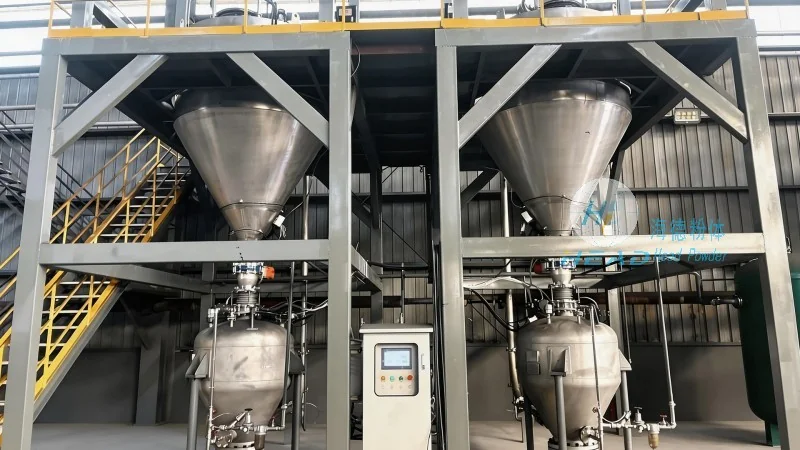
- High Dust Concentration: Systems are engineered to handle high concentrations of fine alumina particles, ensuring that the conveying process remains stable and efficient without clogging or loss of material.
- Abrasive Material Handling: The design incorporates wear-resistant components, such as lined pipes and specialized valves, to withstand the abrasive nature of alumina crystals and extend the system's operational lifespan.
- Continuous and Batch Operations: The system can be configured for both continuous and batch mode operations, providing flexibility to meet varying production demands and process requirements.
- Temperature and Corrosion Resistance: Depending on the application, the system may be equipped with materials that resist high temperatures or corrosive substances, ensuring reliable performance in challenging environments.
Application Scenarios and Operational Benefits
HeadPowder’s alumina crystal pneumatic conveying systems are widely used in various industrial sectors, including:
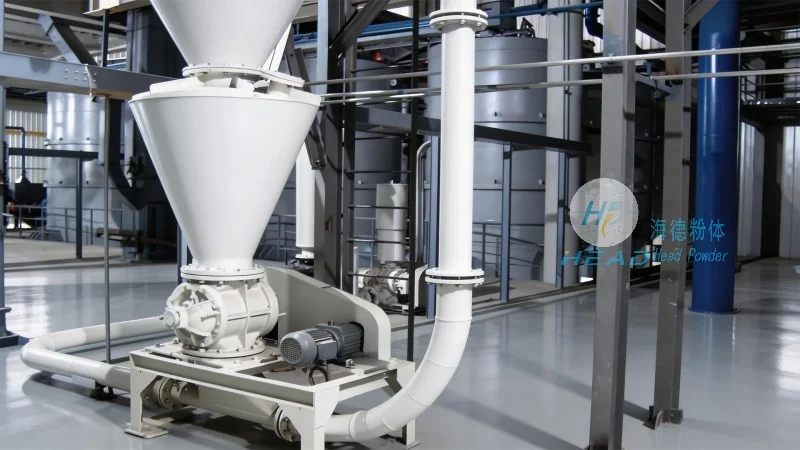
- Aluminum Production Plants: In the primary aluminum smelting process, these systems efficiently transport raw alumina from storage to the electrolysis cells, optimizing production flow and reducing material handling time.
- Chemical and Fertilizer Industries: The systems are utilized for transporting alumina-based raw materials in chemical synthesis and fertilizer production, where precise material control is critical for product quality.
- Pharmaceutical and Food Processing: While less common for alumina, the technology can be adapted for handling similar fine powders in pharmaceutical and food industries, emphasizing the system's versatility.
Operational benefits of these systems include reduced labor costs, minimized material loss, improved safety by eliminating manual handling, and enhanced process control. The non-contact nature of pneumatic conveying also prevents contamination, which is essential for maintaining the purity of alumina crystals used in high-value applications.
Conclusion
HeadPowder Engineering Co., Ltd. offers advanced alumina crystal pneumatic conveying systems that combine efficient material transport with robust operational characteristics. By understanding the fundamental principles and working scene requirements, industries can leverage these systems to enhance productivity, reduce costs, and ensure the consistent quality of their products. With a strong foundation in engineering excellence and a commitment to customer satisfaction, HeadPowder remains at the forefront of providing tailored material handling solutions for the alumina and related industries.