

[Copper Oxide Pneumatic Conveying: Operation Process and Working Principle]
Understanding the operation process and working principle of copper oxide pneumatic conveying is crucial for optimizing material handling in industrial applications. This article provides a detailed overview of the key aspects involved in the efficient transport of copper oxide using pneumatic systems, emphasizing the technical and operational insights that contribute to reliable performance.
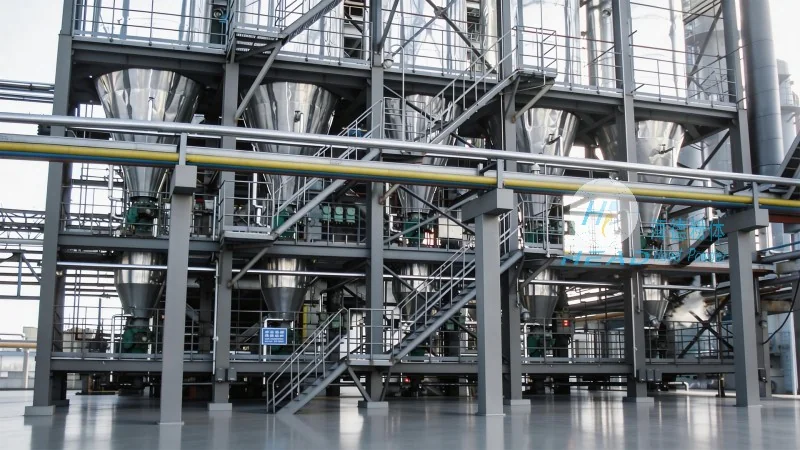
Introduction to Copper Oxide Pneumatic Conveying
Copper oxide is a widely used industrial material in various sectors, including mining, metallurgy, and chemical processing. The efficient and safe transport of copper oxide powder is essential for maintaining production efficiency and ensuring product quality. Pneumatic conveying systems offer a versatile solution for handling such materials, providing advantages such as reduced equipment wear, improved process control, and enhanced safety compared to traditional methods like belt conveyors or bucket elevators.
Working Principle of Pneumatic Conveying Systems
The fundamental principle of pneumatic conveying involves the use of air or other gases to transport solid particles through a pipeline. In the case of copper oxide, the system typically operates under pressure or vacuum, depending on the specific application requirements. The process begins with the material being fed into a hopper or feeder, where it is then introduced into the conveying line. A fan or blower generates the necessary airflow, which propels the copper oxide particles through the pipeline to the destination point, such as a storage silo or processing unit.
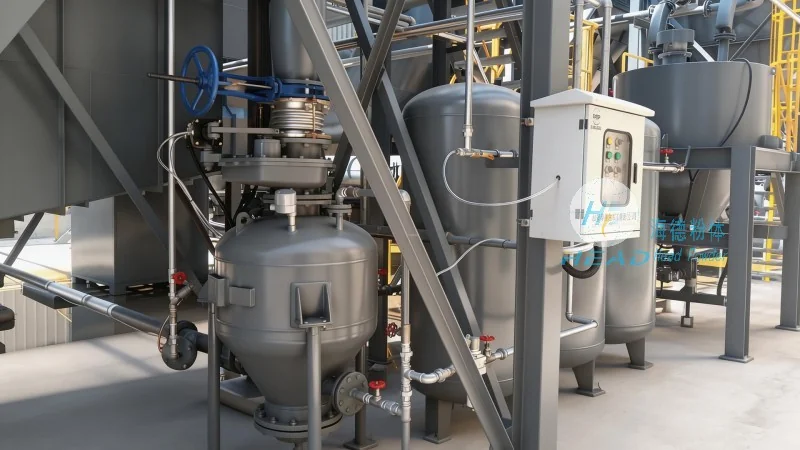
Key Components and Their Functions
Several critical components work in tandem to ensure the smooth operation of a copper oxide pneumatic conveying system. These include the hopper or feeder, which stores and feeds the material; the air compressor or blower, which provides the driving force for conveying; the pipeline system, which transports the material; and the control valves and sensors, which regulate the flow and monitor system performance. Each component plays a vital role in maintaining the efficiency and reliability of the entire process.
Operation Process: Step-by-Step Overview
The operation process of copper oxide pneumatic conveying can be broken down into several key steps. First, the copper oxide material is loaded into the storage hopper. The feeder then regulates the flow rate, ensuring a consistent supply of material to the conveying line. The air compressor or blower starts, generating the required airflow. The material is then drawn into the pipeline by the airflow and transported to the discharge point. At the destination, the material is deposited into a silo or processing equipment. The system continuously monitors pressure, flow rate, and other parameters to maintain optimal performance and prevent issues such as blockages or material degradation.
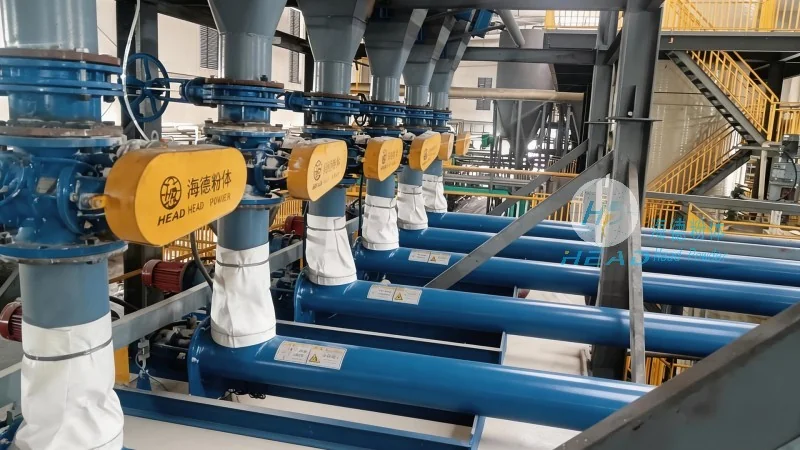
Advantages of Pneumatic Conveying for Copper Oxide
Pneumatic conveying offers several advantages when handling copper oxide. These include the ability to transport materials over long distances without the need for multiple transfer points, reduced product contamination due to enclosed systems, and lower maintenance requirements compared to mechanical conveyors. Additionally, the system can be easily integrated with other process equipment, providing flexibility in industrial settings. The use of pneumatic conveying also minimizes dust emissions, contributing to better workplace safety and environmental compliance.
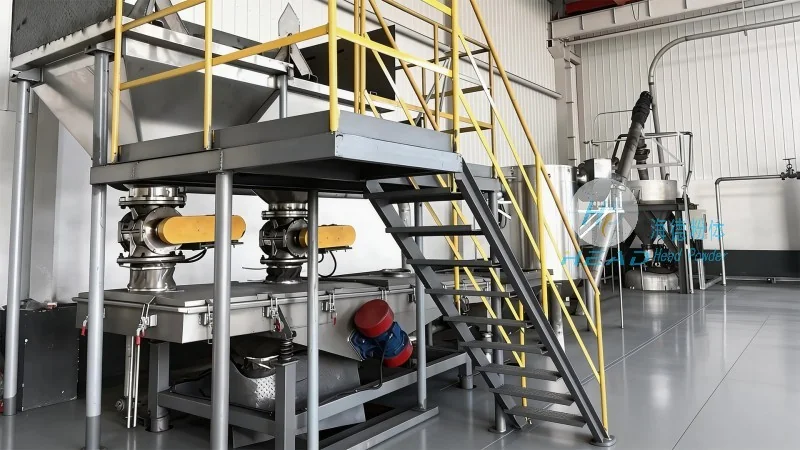
Challenges and Mitigation Strategies
While pneumatic conveying is highly effective, it may encounter challenges such as material segregation, pipeline blockages, and pressure drop. Proper system design and maintenance are essential to mitigate these issues. For example, using appropriate hopper designs and feeder mechanisms can prevent material segregation, while regular cleaning and inspection of the pipeline can reduce the risk of blockages. Additionally, monitoring system parameters and implementing control strategies can help maintain optimal pressure and flow rates, ensuring consistent performance.
Applications in Industrial Settings
Copper oxide pneumatic conveying is widely used in various industrial applications. In mining operations, it is used to transport copper oxide ore from processing plants to storage facilities. In chemical processing, the material is conveyed to reactors or reactors for further processing. The system is also employed in manufacturing processes where copper oxide is used as a pigment or catalyst. The versatility of pneumatic conveying makes it suitable for a wide range of applications, providing reliable material transport solutions.