

Operation Process and Working Principle of Silicon Carbide Pneumatic Conveying
At Shandong HeadPowder Engineering Co., Ltd., we specialize in the design, manufacturing, and implementation of advanced pneumatic conveying systems tailored for handling silicon carbide materials. This article delves into the operational process and underlying principles of such systems, providing a comprehensive understanding for industrial applications.
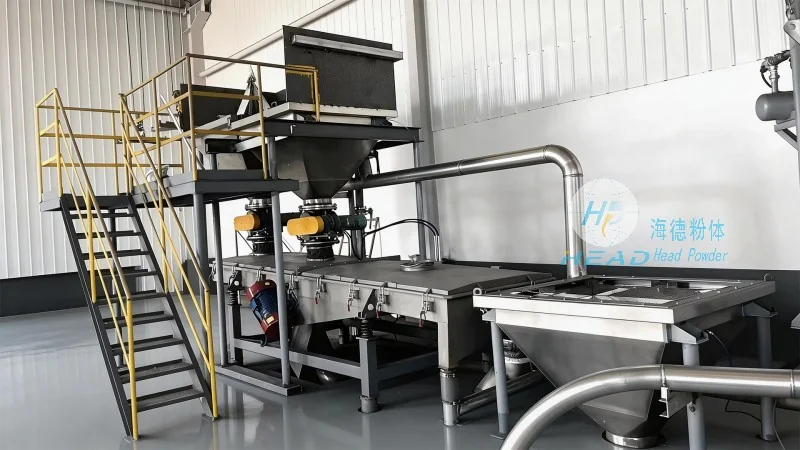
Understanding Pneumatic Conveying Technology
Pneumatic conveying is a method of transporting bulk materials through a pipeline using a gas stream, typically air or other gases. In the context of silicon carbide, which is a hard, abrasive material, the system must be engineered to withstand high wear and provide efficient, reliable material transport. The core components of a typical pneumatic conveying system include a material feed hopper, a conveying pipeline, a gas source (usually a blower or compressor), and a discharge unit. Each component plays a critical role in ensuring the smooth operation of the system.
The Operational Process of Silicon Carbide Pneumatic Conveying
The operation of a silicon carbide pneumatic conveying system involves several sequential steps that ensure material is transported from the source to the destination efficiently and safely. The process begins with the material being fed into the hopper from a storage silo or batch container. A feeder, often a rotary valve or a screw feeder, controls the flow rate of the silicon carbide into the conveying pipeline. Simultaneously, the gas source generates a high-pressure air stream that is introduced into the pipeline. As the material enters the pipeline, it is entrained by the moving air, forming a slurry-like mixture known as a "conveying stream." The combination of air velocity and material particle size determines the efficiency of the conveying process. The conveying stream travels through the pipeline to the discharge point, where the material is separated from the air and collected in the receiving hopper or storage vessel.
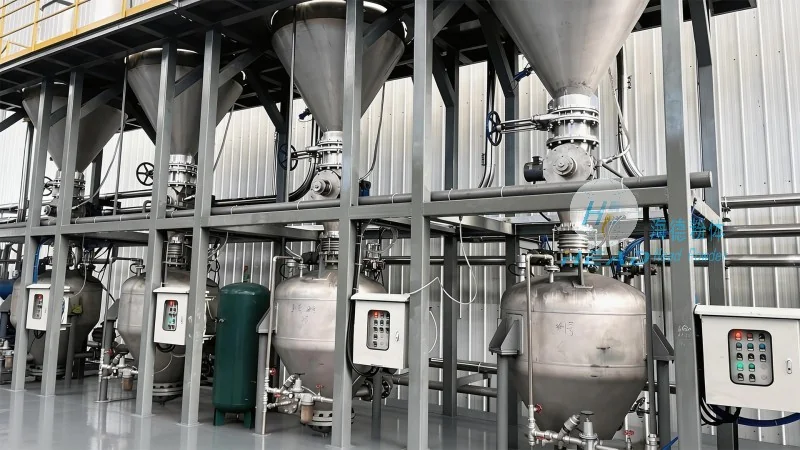
Key Working Principles
The effectiveness of a silicon carbide pneumatic conveying system is governed by several fundamental principles. First, the air velocity must be sufficient to overcome the gravitational force acting on the material particles and to maintain the material in suspension. This is often referred to as the "minimum conveying velocity," which varies based on the particle size, density, and shape of the silicon carbide. Second, the system must manage the pressure drop along the pipeline to ensure consistent material flow. Proper design of the pipeline diameter, bends, and fittings is crucial to minimize pressure losses and prevent blockages. Third, the system must incorporate features to handle the abrasive nature of silicon carbide, such as wear-resistant materials for the hopper, feeder, and pipeline interior. These measures extend the service life of the equipment and maintain operational efficiency.
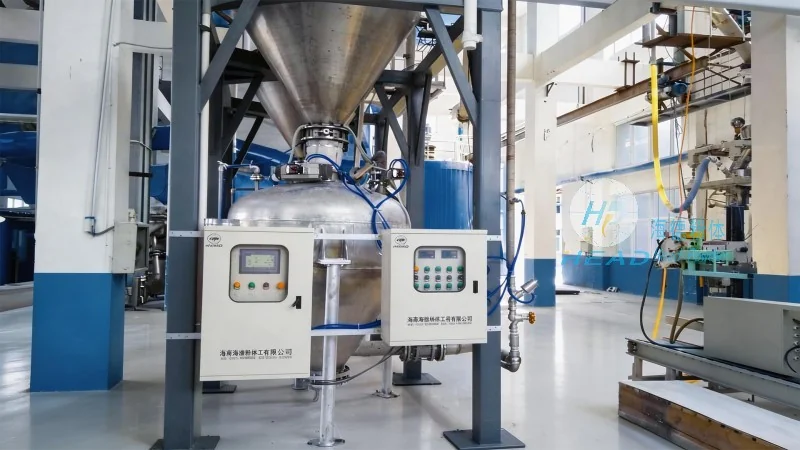
System Components and Their Functions
Each component of the silicon carbide pneumatic conveying system is engineered to perform specific functions that contribute to the overall operation. The material feed hopper serves as the storage and feeding unit, ensuring a steady supply of silicon carbide to the feeder. The feeder, typically a rotary valve or a screw feeder, regulates the material flow rate, preventing overloading or underloading of the system. The gas source, such as a centrifugal blower or a positive displacement compressor, generates the necessary air pressure and volume to convey the material. The conveying pipeline, usually made of stainless steel or other corrosion-resistant materials, transports the material and air mixture. The pipeline design, including the use of smooth bends and minimal fittings, minimizes pressure drop and reduces the risk of material deposition. The discharge unit, which may include a cyclone separator or a filter, separates the silicon carbide from the air, allowing the material to be collected and the air to be discharged or recirculated.
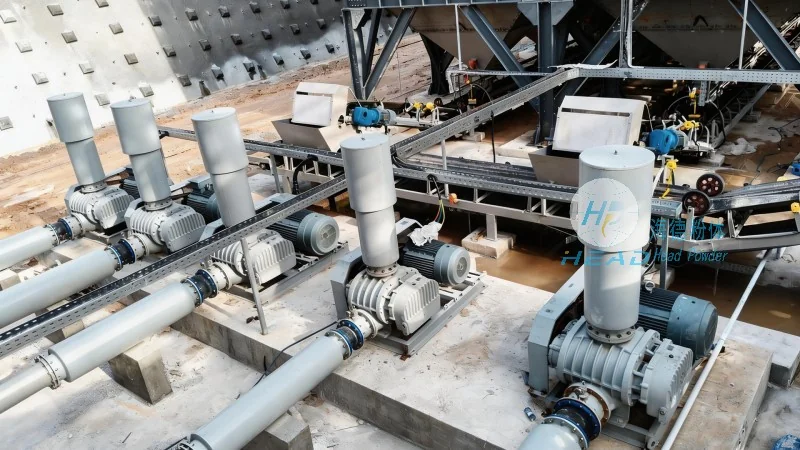
Advantages of Using Pneumatic Conveying for Silicon Carbide
Implementing a pneumatic conveying system for silicon carbide offers several advantages over traditional methods like belt conveyors or bucket elevators. First, pneumatic conveying is a closed system, which helps maintain material purity and prevents dust emissions, making it suitable for applications where contamination control is critical. Second, the system is flexible and can be easily reconfigured to accommodate changes in material flow rates or destination locations. Third, it reduces the need for multiple transfer points and equipment, simplifying the overall material handling process. Fourth, the system can handle a wide range of particle sizes and material types, making it versatile for various industrial applications. Finally, the system is relatively low maintenance compared to other bulk material handling systems, as it has fewer moving parts and less wear from material impact.
Conclusion and Company Expertise
Shandong HeadPowder Engineering Co., Ltd. leverages its expertise in pneumatic conveying technology to provide customized solutions for silicon carbide handling. By understanding the unique properties of silicon carbide and the operational requirements of industrial processes, our team designs and implements systems that ensure efficient, reliable, and cost-effective material transport. Whether for manufacturing, processing, or storage applications, our pneumatic conveying systems are engineered to meet the highest standards of performance and durability. Contact us at Shandong HeadPowder Engineering Co., Ltd., located in Shandong, China, to learn more about how our solutions can enhance your material handling operations.