Low-pressure pneumatic conveying equipment is a critical technology in material handling, designed to transport bulk materials through a pipeline using air pressure. This method offers a flexible and efficient solution for moving powders and granules in various industrial settings. The core principle involves creating a pressure differential between the inlet and outlet of the system, enabling the material to be drawn or pushed through the pipeline by the air flow. By understanding the fundamental principles and typical application scenarios, industries can optimize their material handling processes and enhance operational efficiency.
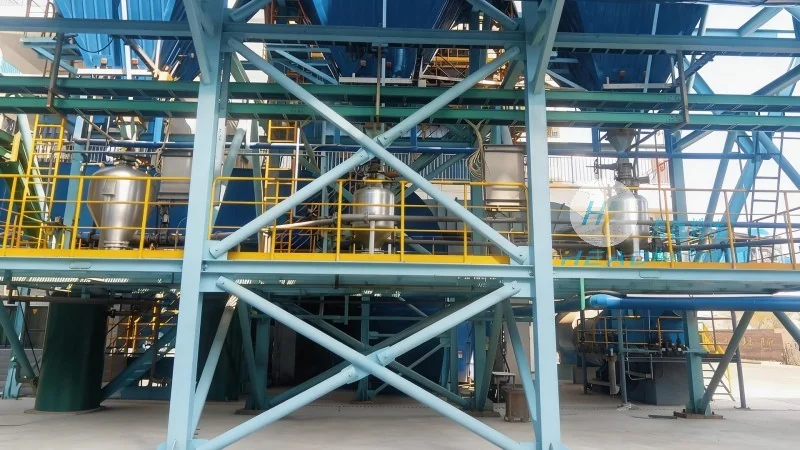
Principles of Low-Pressure Pneumatic Conveying
The operation of low-pressure pneumatic conveying systems is based on the interaction between air and bulk materials. In a typical setup, a fan or blower generates a low-pressure air stream, which then draws the material from a hopper or storage container into the pipeline. The material is carried by the air flow, moving through the system until it reaches the discharge point. The system can operate in either a suction or pressure mode, depending on the specific requirements of the application. The key components include the air source, material feed system, pipeline network, and separation or discharge equipment. Each component plays a crucial role in ensuring the smooth and efficient transport of materials.
Key Components and Their Functions
Several critical components are integral to the performance of low-pressure pneumatic conveying equipment. The air source, such as a centrifugal fan or rotary lobe blower, provides the necessary airflow to move the material. The material feed system, which may include a hopper, feeder, or rotary valve, controls the flow rate and consistency of the material entering the pipeline. The pipeline network, typically made of metal or plastic, forms the path for the material and air mixture. The separation or discharge equipment, such as cyclones or filters, separates the material from the air at the end of the system, allowing the material to be collected and the air to be recycled or vented. These components work in harmony to ensure reliable and continuous material transport.
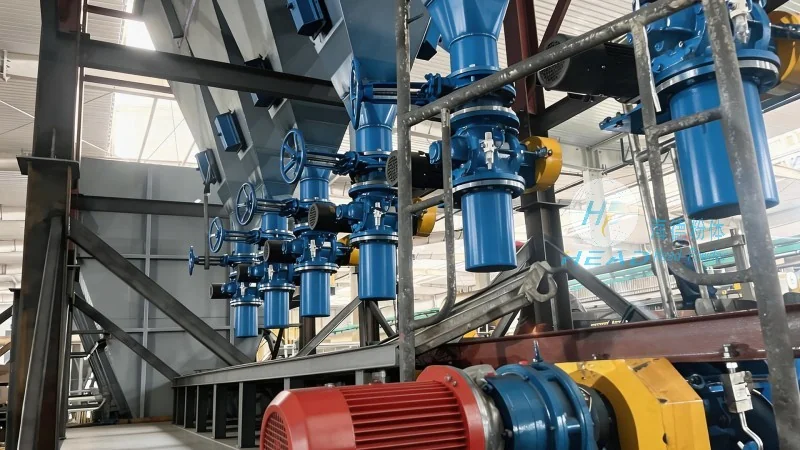
Application Scenarios and Industry Use Cases
Low-pressure pneumatic conveying equipment is widely used across various industries due to its adaptability and efficiency. In the food and pharmaceutical sectors, it is employed to transport sensitive materials like powders and granules, ensuring minimal contamination and product integrity. The chemical industry utilizes this technology for handling hazardous or reactive materials, providing a safe and enclosed transport method. In the mining and mineral processing industries, low-pressure systems are used to move raw materials from storage to processing facilities, improving workflow and reducing manual handling. Additionally, in the agricultural sector, it aids in the transport of grain and other agricultural products, supporting efficient post-harvest operations. Each application leverages the unique advantages of low-pressure conveying, such as low energy consumption and reduced material degradation.
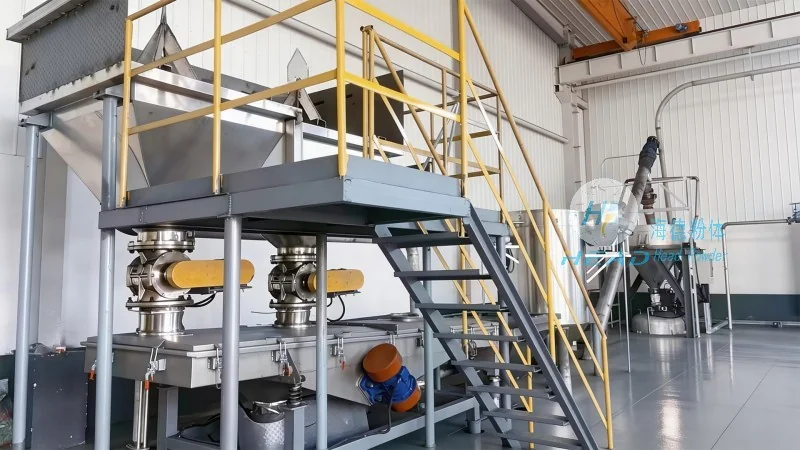
Advantages of Low-Pressure Pneumatic Conveying
Low-pressure pneumatic conveying offers several advantages over traditional material handling methods. One of the primary benefits is its ability to handle a wide range of materials, from fine powders to coarse granules, without the need for mechanical components like belts or buckets. This reduces maintenance costs and extends the system's lifespan. The system also provides a clean and hygienic transport environment, which is essential in industries like food and pharmaceuticals. Additionally, low-pressure conveying systems are generally more energy-efficient compared to high-pressure systems, as they require less pressure to operate. The flexibility of the pipeline network allows for easy integration into existing facilities, minimizing installation time and costs. These advantages make low-pressure pneumatic conveying a preferred choice for many industrial applications.
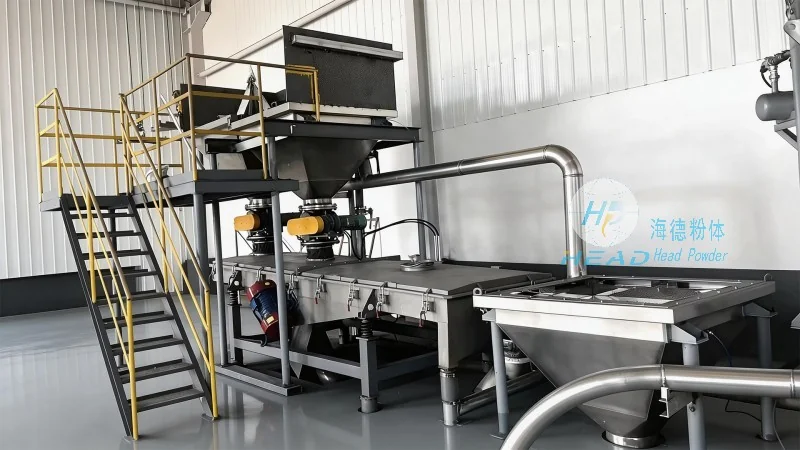
Considerations for System Design and Installation
When designing and installing a low-pressure pneumatic conveying system, several factors must be considered to ensure optimal performance. The material properties, such as particle size, density, and moisture content, significantly impact the system's design. For example, cohesive or sticky materials may require additional equipment like vibrators or agitators to prevent blockages. The system's layout and pipeline length also influence the air pressure and flow rate required. Proper sizing of the air source and components is crucial to avoid underperformance or excessive energy consumption. Additionally, the location of the system, including the height and distance from the material source to the discharge point, must be carefully planned to maintain efficient material transport. Regular maintenance and monitoring are essential to detect and address any issues promptly, ensuring the system operates at peak efficiency.
Case Study: HeadPowder's Low-Pressure Pneumatic Conveying Solutions
Shandong HeadPowder Engineering Co., Ltd., a leading manufacturer in the field, specializes in providing customized low-pressure pneumatic conveying solutions. With a focus on innovation and quality, HeadPowder has developed advanced systems tailored to meet the diverse needs of various industries. The company's expertise lies in designing systems that optimize material transport while minimizing energy consumption and operational costs. By leveraging years of experience and cutting-edge technology, HeadPowder has successfully implemented low-pressure conveying systems in numerous applications, from food processing to chemical manufacturing. These case studies highlight the effectiveness and reliability of their equipment, demonstrating the company's commitment to delivering high-performance solutions. HeadPowder's approach to system design and installation ensures that each project is tailored to the specific requirements of the client, resulting in efficient and sustainable material handling solutions.




