

Operation Process and Working Principle of Rapeseed Pneumatic Conveying
For industrial applications involving the handling of rapeseed, efficient and reliable material transport is crucial. Pneumatic conveying systems offer a solution that minimizes contamination, reduces labor costs, and enhances overall operational safety. This article delves into the operation process and working principles of rapeseed pneumatic conveying, highlighting the key components, operational steps, and the benefits of adopting such technology in agricultural processing facilities.
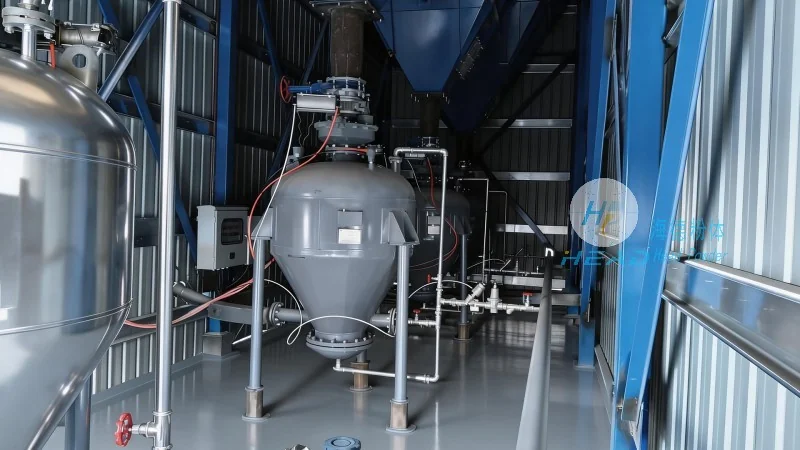
Understanding Pneumatic Conveying Systems for Rapeseed
Pneumatic conveying systems utilize air or gas to transport bulk materials like rapeseed from one location to another. Unlike traditional mechanical conveyors, these systems rely on the force of air to move the material through a pipeline network. The technology is widely used in the food processing industry due to its ability to maintain product integrity and prevent cross-contamination. In the context of rapeseed handling, the system is designed to handle the specific characteristics of the seed, such as its size, density, and moisture content, ensuring optimal performance.
Key Components of a Rapeseed Pneumatic Conveying System
The effectiveness of a pneumatic conveying system for rapeseed depends on several critical components that work in tandem. These include the hopper or feeder, which holds the raw rapeseed and feeds it into the system; the air compressor or blower, which generates the necessary air pressure to move the material; the conveying pipeline, which transports the rapeseed from the source to the destination; and the receiver or discharge unit, where the material is collected. Each component plays a vital role in ensuring the smooth and continuous operation of the system.
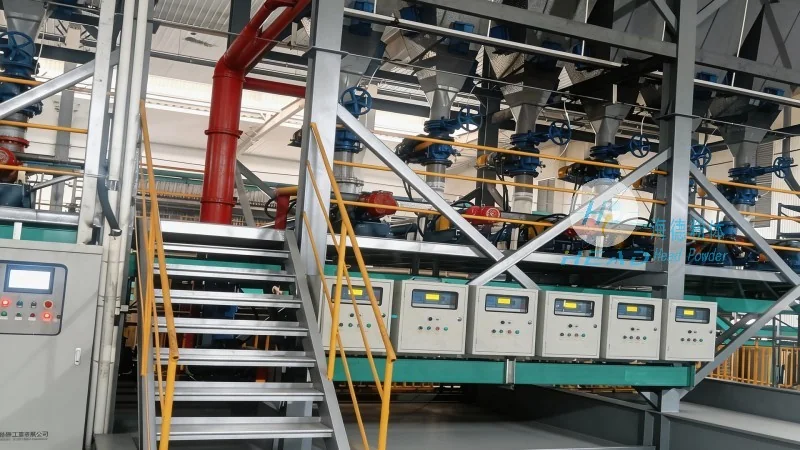
The Operation Process of Rapeseed Pneumatic Conveying
The operation process of a rapeseed pneumatic conveying system typically involves several sequential steps. First, the rapeseed is loaded into the hopper or feeder. The feeder then regulates the flow of the seed into the pipeline, ensuring a consistent feed rate. Simultaneously, the air compressor or blower starts operating, generating the required air pressure. The air and rapeseed are then mixed in the pipeline, with the air providing the necessary force to move the seed forward. As the mixture travels through the pipeline, it reaches the receiver or discharge unit, where the rapeseed is separated from the air and collected. The air is then filtered and recycled back into the system to maintain efficiency.
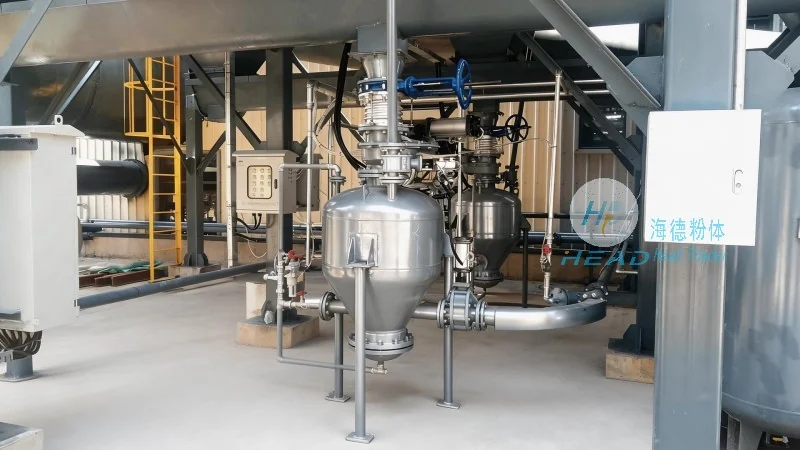
Working Principles of Pneumatic Conveying for Rapeseed
The working principle of a pneumatic conveying system for rapeseed is based on the principles of fluid dynamics and particle transport. The system operates under either positive pressure (pressure conveying) or negative pressure (vacuum conveying), depending on the application requirements. In positive pressure systems, the air compressor pushes air and rapeseed through the pipeline, while in negative pressure systems, a vacuum is created at the receiver end to draw the material through the pipeline. The choice of system type depends on factors such as the distance to be covered, the volume of material to be transported, and the desired flow rate. For rapeseed, positive pressure systems are often preferred due to their ability to handle longer distances and larger volumes efficiently.
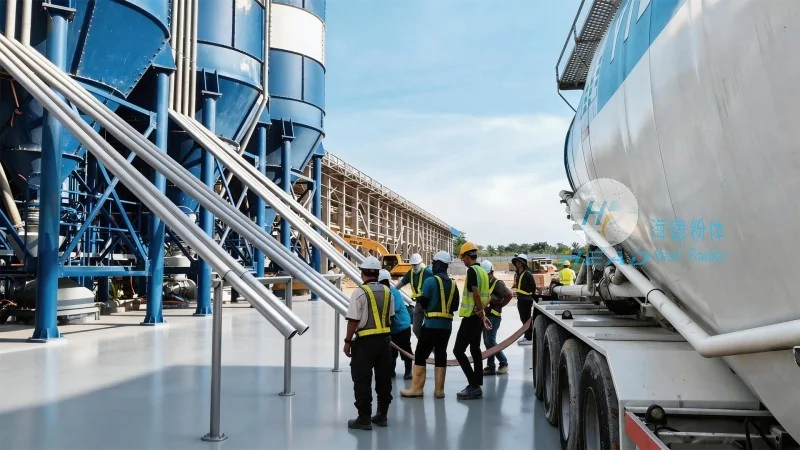
Benefits of Using Pneumatic Conveying for Rapeseed Handling
Adopting a pneumatic conveying system for rapeseed handling offers numerous benefits that enhance the efficiency and quality of the processing operation. One of the primary advantages is the reduction in product contamination, as the system operates in a closed environment, preventing exposure to dust, moisture, or other contaminants. Additionally, the system minimizes labor costs by automating the material transport process, reducing the need for manual handling and associated risks. The technology also enhances operational safety by eliminating the need for manual loading and unloading of heavy or bulky materials. Furthermore, pneumatic conveying systems are highly flexible, allowing for easy integration with existing processing lines and the ability to adjust the flow rate as needed.
Company Introduction: Shandong HeadPowder Engineering Co., Ltd.
As a leading provider of pneumatic conveying solutions, Shandong HeadPowder Engineering Co., Ltd. specializes in designing and manufacturing customized systems tailored to the specific needs of agricultural processing facilities. With years of experience in the industry, the company has developed a deep understanding of the unique challenges associated with handling rapeseed and other bulk materials. The company's team of engineers and technicians work closely with clients to assess their requirements and develop solutions that optimize performance, reduce costs, and enhance product quality. HeadPowder's commitment to quality and innovation has made it a trusted partner for businesses seeking reliable and efficient material transport solutions.